

Loading...
Hi, How Can We Help You?

Tag Archives: News

August 27, 2026

New Zealand is attracting increasing attention from international students in 2026. While Canada, Australia and the UK remain popular study destinations, changing immigration policies and rising costs are encouraging students to explore alternative options.

New Zealand is also actively looking to grow its international education sector. At the same time, student visa applications have increased compared with 2025, making New Zealand an important destination to consider for students planning to study abroad.

So, what makes New Zealand attractive in 2026?

Why Are Students Choosing New Zealand in 2026?

New Zealand offers a combination of quality education, work opportunities, post-study options and a high standard of living.

Some of the main reasons students are considering New Zealand include:

  • English-language education
  • Globally recognized universities and education providers
  • Opportunities to work while studying
  • Post-study work opportunities
  • Safe and welcoming environment
  • Flexible study pathways
  • Growing demand for international students
  • Strong focus on practical and career-oriented education

The New Zealand government’s Tertiary Education Strategy 2025–2030 aims to strengthen international education and increase the country’s international connectivity.

New Zealand Student Visa: What You Need to Know

The Fee Paying Student Visa is the main option for international students paying their own tuition.

Applicants generally need:

  • An offer of place from an approved education provider
  • Proof of sufficient funds for tuition and living expenses
  • Acceptable health and travel insurance
  • Evidence of genuine study intentions
  • Required health and character documentation
  • Evidence that they can leave New Zealand when their stay ends

For tertiary students, Immigration New Zealand currently requires evidence of NZD $20,000 per year for living expenses, or NZD $1,667 per month for shorter courses.

Students should also budget for tuition, accommodation, food, transportation, insurance and other personal expenses.

Can International Students Work in New Zealand?

Yes. Eligible international students can generally work up to 25 hours per week during their studies and may be able to work full-time during scheduled holidays, depending on their visa conditions.

Working while studying can help students:

  • Gain international experience
  • Develop workplace skills
  • Build professional networks
  • Cover part of their living expenses

Students should always check the work conditions stated on their individual visa.

New Pathway Student Visa Opportunities in 2026

One of the most notable developments is the greater flexibility of the Pathway Student Visa.

Changes introduced in July 2026 expanded pathway options and can allow eligible students to progress through multiple courses on one visa.

For example:

English Language → Foundation → Diploma → Higher Qualification

This can be useful for students who need additional English-language or academic preparation before progressing to their main qualification.

The updated pathway also provides more flexibility for certain school and lower-level qualification students.

Post-Study Work Opportunities

One of New Zealand’s biggest attractions is the opportunity to gain work experience after graduation.

Eligible graduates may qualify for a Post Study Work Visa, which can allow them to remain in New Zealand and work for up to three years, depending on their qualification and circumstances.

The rules are particularly important when choosing a course because post-study work eligibility depends on factors such as:

  • Qualification level
  • Course type
  • Study duration
  • Where the qualification was completed
  • The graduate’s circumstances

A New Graduate Work Option

From 16 November 2026, eligible graduates who do not qualify for the standard Post Study Work Visa may be able to apply for a new Short-term Graduate Work Visa, providing up to six months of open work rights.

This could give some graduates additional time to find employment and potentially move into another appropriate work visa pathway.

Popular Study Areas in New Zealand

International students can choose from a wide range of programmes, including:

  • Information Technology
  • Computer Science
  • Business
  • Engineering
  • Data Science
  • Artificial Intelligence
  • Healthcare
  • Nursing
  • Hospitality
  • Tourism
  • Agriculture
  • Environmental Science
  • Construction

Students should choose a programme based on their academic background, career plans, employment opportunities and visa eligibility, rather than choosing a course simply because they believe it will lead to a visa.

How Much Does It Cost to Study in New Zealand?

The total cost depends on the course, institution and city.

Students should plan for:

Expense What to Consider
Tuition Depends on institution and programme
Accommodation University housing, homestay or private rental
Food Monthly living expenses
Transportation Depends on city and lifestyle
Insurance Required for eligible student visa holders
Visa Application and related costs
Flights Depends on origin and season

Because costs vary significantly, students should prepare a realistic budget before applying.

When Should You Apply?

Students should plan their application well in advance.

A practical timeline is:

6–12 months before: Research universities and programmes.

4–8 months before: Apply for admission and prepare financial documents.

At least 3 months before travel: Submit the student visa application.

Immigration New Zealand has advised students to apply early because student visa application volumes have increased.

New Zealand vs Other Popular Study Destinations

New Zealand may be particularly attractive to students who want:

  • An English-speaking country
  • High-quality education
  • International work experience
  • Post-study opportunities
  • A safe and supportive environment
  • A different alternative to Canada, Australia or the UK

However, students should compare tuition fees, living costs, employment opportunities and visa rules before making a final decision.

Final Thoughts

New Zealand is becoming an increasingly interesting option for international students in 2026. Its growing focus on international education, student work opportunities, flexible study pathways and post-study work options make it worth considering.

The recent changes to the Pathway Student Visa and upcoming graduate work options could provide additional flexibility for eligible students.

However, New Zealand should not be viewed simply as an “easy visa” destination. Students still need to demonstrate genuine study intentions, meet financial requirements and satisfy all immigration conditions.

For students planning to study abroad in 2026, choosing the right course, institution and career pathway is more important than simply choosing a country.

Read More

August 24, 2026

Canada’s international student program is facing renewed scrutiny after reporting on a classified Canada Border Services Agency (CBSA) intelligence assessment revealed a dramatic increase in criminal charges involving some Indian nationals who entered Canada on study permits.

The report has also triggered strong political criticism from Conservative MP Michelle Rempel Garner, who has raised concerns about organized crime, immigration enforcement and the treatment of non-citizens convicted of serious offences.

For prospective international students, however, the issue needs to be understood carefully. The findings concern a subset of study-permit holders and should not be interpreted as suggesting that international students generally are involved in criminal activity.

What Does the CBSA Report Say?

According to reporting by Global News on a classified CBSA intelligence document concerning the Bishnoi gang, criminal charges involving Indian study-permit holders increased by 8,800% between 2016 and 2024.

The CBSA assessment reportedly identified India as the leading source country among foreign students charged with crimes.

Between 2019 and 2023, approximately 4,000 Indian citizens who had entered Canada on study permits were charged with 17,929 offences. The report said about 4,920 of those charges were considered serious or organized-crime related, with 97% of those offences categorized as violent.

The report also stated that in 2024, more than 13,040 criminal charges were laid against Indian citizens in Canada who were on study visas. Global News reported that 2,418 people were represented in those 2024 figures.

These numbers have attracted significant attention because of concerns that organized criminal groups may have exploited Canada’s international student system.

Concerns About Organized Crime and Student Visas

The CBSA intelligence assessment reportedly focused on the expansion of India’s Bishnoi gang in Canada.

According to the report, investigators increasingly identified Indian foreign nationals holding study and work permits among people involved in organized criminal activities connected to the gang.

One example highlighted in the reporting involved Goldy Brar, a senior Bishnoi associate who entered Canada in 2017 on a student visa. The CBSA assessment reportedly described how the gang subsequently recruited young people in Canada to participate in criminal activities.

The report does not establish that Canada’s international student population as a whole is connected to organized crime. Rather, it identifies specific cases and trends that Canadian authorities believe warrant greater scrutiny.

That distinction is important for students, parents and education advisers.

Michelle Rempel Garner Calls for Stronger Action

The CBSA findings have prompted Conservative MP Michelle Rempel Garner to call for stronger action against serious crimes committed by non-citizens.

In August 2026, Rempel Garner publicly criticized what she described as overly lenient sentences for some non-citizens convicted of violent offences and argued that Canada’s immigration and criminal justice systems need stronger enforcement mechanisms. Global News reported her comments following the publication of its investigation into the CBSA assessment.

She has also previously supported legislative changes aimed at preventing immigration status from influencing sentencing decisions in ways that could potentially affect deportation outcomes.

However, there is an important legal nuance.

Can Immigration Consequences Be Considered When Someone Is Sentenced?

Canadian sentencing law is more complicated than the political debate may suggest.

The Supreme Court of Canada ruled in R. v. Pham that courts can consider immigration-related consequences when determining an appropriate sentence, provided the sentence remains consistent with fundamental sentencing principles such as proportionality and parity.

Legal scholars have argued that this does not create a separate criminal justice system for non-citizens. Instead, immigration consequences can form part of the circumstances considered by a sentencing judge when determining an appropriate sentence.

This is why claims that judges routinely issue reduced sentences specifically so that criminals can avoid deportation should be treated as a political and legal controversy, rather than as an established conclusion from the CBSA report.

Why Is This Important for Future International Students?

The latest controversy comes at a time when Canada has already significantly tightened its international student system.

Over the past several years, Canada has introduced measures designed to reduce the number of temporary residents, strengthen oversight of institutions and make the study-permit system more controlled.

The government introduced a national study-permit cap in 2024, and Canada’s study-permit environment has become considerably more selective than it was during the rapid expansion of international education in the early 2020s. Parliamentary evidence has also documented a reduction in the number of study-permit holders following the introduction of the cap.

The latest CBSA revelations could add further pressure for stronger screening and compliance measures.

For genuine students, this means that choosing a legitimate institution, providing accurate documentation and demonstrating a genuine purpose of study are increasingly important.

What Should Students Do?

International students should not assume that the recent news means Canada is closing its doors to legitimate students.

Instead, applicants should focus on following Canada’s immigration requirements carefully.

1. Choose a legitimate institution

Students should select an eligible Canadian educational institution and verify that the program and institution meet current study-permit requirements.

2. Provide genuine documentation

Financial documents, academic records, admission documents and other information submitted with a study-permit application must be accurate and authentic.

Fraudulent documents or misleading information can result in serious immigration consequences.

3. Demonstrate a genuine study purpose

Applicants should be able to clearly explain why they selected their institution and program and how the education fits their academic or career plans.

4. Follow study-permit conditions

Once in Canada, students must comply with the conditions attached to their study permit and maintain their eligibility to study.

5. Stay away from criminal activity

A study permit is temporary immigration status—not immunity from Canadian law.

Students are expected to obey Canadian laws, and criminal activity can have consequences for both their criminal case and their immigration status.

Will This Affect Canada’s Student Visa Program?

It is too early to say exactly what additional policy changes may follow from the latest CBSA revelations.

However, the report could strengthen calls for:

  • More rigorous screening of study-permit applicants
  • Greater monitoring of immigration fraud
  • Stronger cooperation between immigration authorities and law-enforcement agencies
  • Better oversight of educational institutions
  • Stronger action against organized crime
  • More effective enforcement against non-citizens convicted of serious crimes

At the same time, policymakers will need to balance security measures with Canada’s longstanding goal of attracting genuine international students.

A Message for Genuine Students

The most important takeaway is that criminal activity involving a small subset of temporary residents should not be confused with the millions of legitimate international students who use Canada’s education system for academic and career development.

Canada remains an important destination for international education, but the immigration environment is becoming more carefully regulated.

For students considering Canada in 2026 and beyond, preparation matters more than ever. Applicants should understand current study-permit requirements, choose their institution carefully, prepare complete documentation and seek professional guidance when necessary.

The recent CBSA revelations demonstrate why Canada is placing greater emphasis on security, compliance and integrity within its immigration system.

For genuine students, following the rules and maintaining valid immigration status remain the foundation of a successful study experience in Canada.

Read More

July 11, 2026

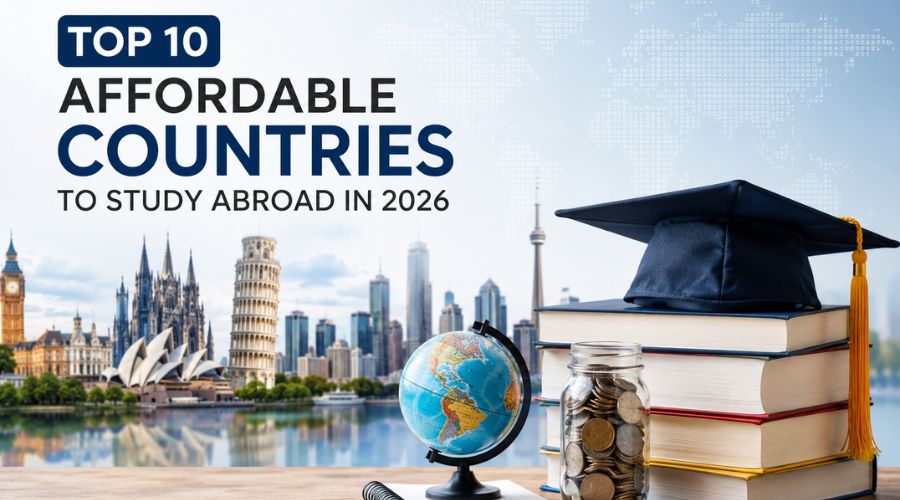
Studying abroad is a dream for millions of students around the world, but rising tuition fees and living expenses often make international education feel out of reach. The good news is that many countries still offer excellent academic quality at affordable prices, along with scholarships, part-time work opportunities, and post-study employment pathways.

In 2026, several destinations stand out for combining strong education systems with student-friendly costs. Whether you are looking for low tuition fees, generous scholarships, or affordable living expenses, this guide highlights the top 10 affordable countries to study abroad in 2026.

Why Choose an Affordable Study Destination?

Studying in an affordable country offers many advantages:

  • Lower tuition fees
  • Reduced living expenses
  • Less financial pressure on students and families
  • More scholarship opportunities
  • Better return on investment (ROI)
  • Opportunities to work while studying
  • Pathways to permanent residency in some countries

Choosing the right destination allows students to receive a world-class education without taking on overwhelming debt.

Top 10 Affordable Countries to Study Abroad in 2026

1. Germany

Category Details
Why Study Here? Germany is one of the most affordable study destinations in the world because many public universities charge little to no tuition fees, even for international students.
Average Tuition Fees Public: €0–€3,000/yearPrivate: €5,000–€20,000/year
Average Living Cost €850–€1,200/month
Popular Courses Engineering, Computer Science, Business Administration, Artificial Intelligence, Automotive Engineering
Top Universities Technical University of MunichLudwig Maximilian University of MunichHeidelberg University
Why Students Love It Low tuition fees, strong job market, high-quality education, and excellent post-study work opportunities

2. Italy

Category Details
Why Study Here? Italy attracts international students with affordable tuition and generous scholarship programs such as DSU and regional scholarships.
Average Tuition Fees €1,000–€4,000/year
Average Living Cost €700–€1,200/month
Popular Courses Architecture, Fashion Design, Engineering, Medicine, Business
Top Universities University of BolognaSapienza University of RomePolitecnico di Milano
Why Students Love It Affordable tuition, excellent scholarships, rich culture, and strong academic reputation

3. Poland

Category Details
Why Study Here? Poland offers one of the lowest costs of living in Europe while maintaining solid academic standards.
Average Tuition Fees €2,000–€6,000/year
Average Living Cost €500–€900/month
Popular Courses Information Technology, Engineering, Medicine, Business
Top Universities University of WarsawJagiellonian UniversityWarsaw University of Technology
Why Students Love It Budget-friendly lifestyle, growing economy, more English-taught programs, and a safe student environment

4. Hungary

Category Details
Why Study Here? Hungary is known for affordable universities and the highly competitive Stipendium Hungaricum Scholarship.
Average Tuition Fees €2,000–€7,000/year
Average Living Cost €500–€800/month
Popular Courses Medicine, Dentistry, Engineering, Agriculture
Top Universities University of DebrecenEötvös Loránd University
Why Students Love It Low living expenses, government scholarships, high-quality education, and a central European location

5. Malaysia

Category Details
Why Study Here? Malaysia has become one of Asia’s most affordable and student-friendly destinations.
Average Tuition Fees $2,000–$8,000/year
Average Living Cost $300–$700/month
Popular Courses Business, Hospitality Management, Information Technology, Engineering
Top Universities University of MalayaUniversiti Putra MalaysiaMonash University Malaysia
Why Students Love It Very low living costs, multicultural environment, English widely spoken, and international branch campuses

6. Turkey

Category Details
Why Study Here? Turkey combines affordable education with a rich cultural experience and many scholarship opportunities.
Average Tuition Fees $500–$4,000/year
Average Living Cost $300–$700/month
Popular Courses Medicine, Engineering, Architecture, International Relations
Top Universities Middle East Technical UniversityIstanbul UniversityBogazici University
Why Students Love It Affordable education, government scholarships, modern universities, and a strategic location between Europe and Asia

7. Portugal

Category Details
Why Study Here? Portugal offers excellent education, a high quality of life, and lower costs than many Western European countries.
Average Tuition Fees €3,000–€7,000/year
Average Living Cost €700–€1,100/month
Popular Courses Business, Tourism Management, Computer Science, Marine Sciences
Top Universities University of LisbonUniversity of PortoNOVA University Lisbon
Why Students Love It Safe environment, friendly communities, a growing job market, and a beautiful climate

8. Canada

Category Details
Why Study Here? Canada is more expensive than some European destinations, but it offers excellent value through high-quality education and strong post-graduation opportunities.
Average Tuition Fees CAD 15,000–CAD 30,000/year
Average Living Cost CAD 1,000–CAD 1,800/month
Popular Courses Business, Data Science, Nursing, Computer Science
Top Universities University of TorontoUniversity of AlbertaMemorial University of Newfoundland
Why Students Love It Work opportunities, PGWP, immigration pathways, and a high quality of life

9. Mexico

Category Details
Why Study Here? Mexico offers low tuition fees and affordable living while giving students a vibrant cultural experience.
Average Tuition Fees $2,000–$8,000/year
Average Living Cost $500–$900/month
Popular Courses Business, International Relations, Arts, Engineering
Top Universities National Autonomous University of MexicoMonterrey Institute of TechnologyUniversity of Guadalajara
Why Students Love It Affordable lifestyle, warm climate, rich cultural experience, and a growing academic reputation

10. Taiwan

Category Details
Why Study Here? Taiwan is becoming one of Asia’s most attractive study destinations thanks to affordable tuition, strong technology programs, and scholarship opportunities.
Average Tuition Fees $2,000–$5,000/year
Average Living Cost $500–$900/month
Popular Courses Engineering, Computer Science, Artificial Intelligence, Semiconductor Technology
Top Universities National Taiwan UniversityNational Tsing Hua UniversityNational Cheng Kung University
Why Students Love It Affordable education, advanced technology sector, safe environment, and numerous scholarships

Estimated Annual Cost Comparison

Here is a quick overview of the approximate annual cost of studying in each country:

  • Germany: $10,000–$14,000
  • Italy: $12,000–$18,000
  • Poland: $8,000–$12,000
  • Hungary: $8,000–$13,000
  • Malaysia: $5,000–$10,000
  • Turkey: $5,000–$9,000
  • Portugal: $11,000–$16,000
  • Canada: $25,000–$40,000
  • Mexico: $7,000–$12,000
  • Taiwan: $7,000–$13,000

These estimates include tuition and living expenses and may vary depending on the city, university, and lifestyle choices.

Best Countries by Category

  • Lowest Tuition Fees: Germany
  • Lowest Living Costs: Malaysia
  • Best Scholarships: Italy
  • Best Work Opportunities: Canada
  • Best for Technology: Taiwan
  • Best for Engineering: Germany
  • Best for Medicine: Hungary
  • Best Cultural Experience: Turkey

Tips for Studying Abroad on a Budget

  • Apply for Scholarships
  • Choose Affordable Cities
  • Work Part-Time
  • Apply Early
  • Create a Budget

Final Thoughts

Studying abroad does not have to be expensive. In 2026, countries such as Germany, Italy, Poland, Hungary, and Malaysia continue to provide affordable education opportunities without compromising academic quality.

For students seeking excellent education and long-term career prospects, Canada and Portugal remain strong options despite their relatively higher costs. Meanwhile, Taiwan and Turkey offer outstanding value for students interested in technology and cultural experiences.

By carefully researching tuition fees, scholarships, and living costs, students can achieve their dream of international education while keeping expenses manageable.

May 16, 2026

The MEXT Scholarship is one of the most prestigious fully funded scholarship opportunities in the world for international students who want to pursue Master’s and PhD degrees in Japan. Sponsored by the Government of Japan, this scholarship provides outstanding students with the opportunity to study at top-ranked universities, conduct advanced research, and build successful global careers.

Each year, thousands of students apply for the scholarship, but only a limited number are selected. According to advice shared by MEXT Scholarship alumni, success depends on early preparation, a strong research proposal, strategic communication with professors, and a clear understanding of Japan’s academic environment.

This guide explains the most important strategies and practical recommendations for prospective applicants.

What Is the MEXT Scholarship?

The MEXT Scholarship (Monbukagakusho Scholarship) is funded by Japan’s Ministry of Education, Culture, Sports, Science and Technology. It supports international students pursuing graduate studies and research at leading Japanese universities.

The scholarship generally covers:

  • Full tuition fees
  • Monthly living allowance
  • Round-trip international airfare
  • Research student status before degree enrollment (if applicable)
  • Japanese language training
  • Access to advanced research laboratories and facilities

For ambitious students seeking a world-class education, the MEXT Scholarship is one of the best fully funded opportunities available.

Why the MEXT Scholarship Is Highly Valuable

Receiving a MEXT Scholarship offers much more than financial assistance. It provides access to an exceptional academic and research environment in Japan.

Study at Top Universities

MEXT scholars often study at internationally respected institutions such as:

  • The University of Tokyo
  • Kyoto University
  • Osaka University
  • Tohoku University
Access Advanced Research Facilities

Japan is a global leader in robotics, engineering, medicine, biotechnology, economics, and many other fields.

Build a Strong International Career

Graduates often move into:

  • Postdoctoral research
  • University teaching
  • Government service
  • International organizations
  • Corporate leadership roles

Start Preparing at Least One Year Early

One of the most consistent recommendations from MEXT alumni is to begin preparation 12 months before the application deadline.

Early preparation gives you enough time to:

  • Develop a research topic
  • Improve your academic profile
  • Prepare for IELTS or TOEFL
  • Identify potential supervisors
  • Draft and refine your research proposal
  • Collect recommendation letters
  • Practice for interviews and exams

Applicants who start early generally submit stronger applications and perform better during selection.

Choose a Supervisor Carefully

Selecting the right professor is one of the most important decisions in your MEXT journey.

A good supervisor can:

  • Guide your research effectively
  • Provide academic mentorship
  • Introduce you to professional networks
  • Support your future career development

When choosing a professor, review their recent publications and ensure that your research interests closely match their expertise.

Write a Strong Research Proposal

The research proposal is the core of your MEXT application. It demonstrates your academic vision and your ability to conduct meaningful research.

Essential Components
  • Research title
  • Background and rationale
  • Research problem
  • Objectives
  • Methodology
  • Expected outcomes
  • Significance of the study

A successful proposal should be original, realistic, and clearly aligned with the expertise of your prospective supervisor.

Strengthen Your Academic Profile

Strong academic records significantly improve your chances of selection.

Competitive applicants often have:

  • Excellent GPA or CGPA
  • Undergraduate or master’s thesis experience
  • Research assistantship experience
  • Conference presentations
  • Journal publications
  • Academic awards

Publications are especially valuable for PhD applicants, although they are not mandatory.

Demonstrate English Proficiency

Most graduate programs require proof of English proficiency through standardized tests such as:

  • International English Language Testing System (IELTS)
  • Test of English as a Foreign Language (TOEFL)

A strong score confirms your ability to conduct research and communicate effectively in an academic setting.

Learn Basic Japanese

Japanese language skills are not always mandatory, but they are highly beneficial.

Benefits include:

  • Easier daily communication
  • Better cultural integration
  • Stronger relationships with professors and peers
  • Access to Japanese-language resources

Even beginner-level Japanese can significantly improve your experience.

Communicate Professionally with Professors

Contacting potential supervisors should be done respectfully and professionally.

A good email should include:

  • A concise introduction
  • Your academic background
  • Research interests
  • Reason for choosing the professor
  • Attached CV and research proposal

Short, well-structured emails create a positive first impression.

Connect with MEXT Alumni and Current Scholars

Former scholarship recipients can provide valuable insights on:

  • Application strategies
  • Research proposal development
  • Interview preparation
  • Daily life in Japan
  • Common mistakes to avoid

Their experiences can help you prepare more effectively and confidently.

Prepare Thoroughly for Exams and Interviews

The Embassy Recommendation route often includes written examinations and an interview.

Common Interview Questions
  • Why do you want to study in Japan?
  • Why is your research important?
  • Why did you choose this university?
  • What are your future career goals?

Practice answering clearly and confidently.

Understand Japan’s Academic Culture

Japanese universities are known for their high standards of discipline and dedication.

Students are expected to be:

  • Punctual
  • Organized
  • Consistent
  • Independent
  • Respectful

Adapting to this environment is essential for academic success.

Know What Life in Japan Is Like

Before applying, it is important to understand practical aspects of living in Japan.

Accommodation Options

  • University dormitories
  • Private apartments
  • Shared housing

Cost of Living: Expenses vary depending on the city. Tokyo is generally more expensive than regional cities.

Family Considerations: Many scholars bring spouses and children if they meet visa and financial requirements.

Maintain the Right Mindset

MEXT alumni emphasize that success requires more than academic qualifications.

Successful applicants are:

  • Persistent
  • Strategic
  • Adaptable
  • Motivated
  • Goal-oriented

If you are not selected on your first attempt, use the experience to strengthen your application and apply again.

Common Mistakes to Avoid

  • Starting preparation too late
  • Submitting weak research proposals
  • Choosing supervisors without research alignment
  • Sending generic emails
  • Ignoring interview preparation
  • Underestimating cultural adaptation

Avoiding these mistakes can greatly improve your chances of success.

Final Thoughts

The MEXT Scholarship is one of the best fully funded scholarship opportunities for students seeking Master’s and PhD degrees in Japan. It provides full financial support, access to world-class universities, and a pathway to international academic and professional success.

By preparing early, building a strong academic profile, writing a focused research proposal, and maintaining a disciplined mindset, you can significantly increase your chances of becoming a MEXT Scholar.

For dedicated researchers and future leaders, the MEXT Scholarship is not just a scholarship—it is a life-changing opportunity.

Read More

April 3, 2026

Australia has introduced major immigration reforms in 2026, signaling a clear shift toward a more controlled, efficient, and skill-focused migration system. These changes are part of the government’s long-term strategy to reduce system misuse, manage migration levels, and ensure that incoming migrants contribute meaningfully to the country’s economy.

With new policies already in effect, Australia is moving away from high-volume temporary migration and toward a quality-driven model, where skills, income level, and long-term value play a central role in visa approvals.

Understanding the Reform: Why It Matters

The 2026 reforms are designed to address several ongoing challenges within Australia’s immigration system, including rising numbers of temporary visa holders, misuse of visa pathways, and pressure on housing and infrastructure.

In recent years, the system allowed individuals to remain in Australia by continuously switching between temporary visas. This created uncertainty and inefficiencies, both for applicants and for the government. The new framework aims to eliminate these issues by introducing stricter controls while maintaining opportunities for genuine applicants.

  • The core objective is clear:
     Reduce low-quality migration while prioritizing skilled and economically valuable candidates

End of “Visa Hopping”

One of the most significant changes in 2026 is the government’s strong stance against “visa hopping.” This practice, where individuals repeatedly switch between temporary visas to extend their stay, is now being actively restricted.

Under the new rules:

  • Applicants face stricter eligibility checks when applying for new visas
  • Continuous switching between visa categories is limited
  • Temporary migration numbers are expected to drop significantly (estimated reduction of around 85,000)

This change ensures that applicants must have a clear and genuine purpose for staying in Australia rather than relying on loopholes in the system.

Introduction of Automated Visa Processing

Australia has also modernized its immigration system by introducing advanced digital processing technologies. The new system focuses on improving efficiency and reducing delays through automation and real-time tracking.

Key improvements include:

  • Faster visa decision-making through automated systems
  • Real-time application tracking for better transparency
  • Reduced backlog and improved processing efficiency

This transformation benefits genuine applicants by making the process more predictable and streamlined, especially for those who meet all eligibility requirements.

Skilled Migration Takes Priority

A major focus of the 2026 reform is strengthening Australia’s skilled migration program. The government continues to prioritize applicants who can contribute to the labor market and support economic growth.

Key visa pathways include:

  • Skilled Nominated Visa (Subclass 190)
  • Skilled Work Regional Visa (Subclass 491)

Recent updates highlight:

  • Ongoing state nomination invitation rounds
  • Increased focus on high-demand occupations
  • A revised minimum income threshold of approximately AUD 76,515

This ensures that migrants entering Australia are not only qualified but also capable of sustaining themselves and contributing to the economy.

Stronger Immigration Laws and Enforcement

In addition to policy changes, Australia has introduced new migration laws in 2026 to strengthen control over its borders and immigration processes. These laws provide authorities with greater power to regulate arrivals and enforce compliance.

The new legal framework includes:

  • Enhanced monitoring of visa holders
  • Stricter penalties for misuse of visa conditions
  • Greater authority to manage and control migration flows

These measures are designed to maintain the integrity of the immigration system while ensuring that all applicants follow the rules.

Processing Impact and Practical Changes

While the introduction of automation improves efficiency, the stricter rules mean that applicants must now meet higher standards. The system is faster for eligible candidates but less forgiving for those with weak or unclear applications.

Applicants may experience:

  • Faster approvals for strong and complete applications
  • Increased scrutiny during eligibility assessment
  • Reduced flexibility in extending temporary stays

Overall, the system rewards preparation and clarity while discouraging misuse.

Impact on Students and Skilled Workers

The 2026 reforms have a direct impact on international students and skilled workers, as both groups are central to Australia’s migration strategy.

For students, Australia remains an attractive destination, but the pathway from study to permanent residency is becoming more structured and competitive. Students must demonstrate clear academic goals, financial stability, and alignment with skilled migration pathways.

For skilled workers, opportunities remain strong, particularly for those in high-demand sectors. However, applicants must meet stricter requirements related to qualifications, work experience, and salary levels. The emphasis is now on long-term contribution rather than short-term employment.

Lower-skilled applicants or those relying on temporary visa extensions may find it increasingly difficult to remain in the country under the new system.

Why Australia Introduced These Changes

Several key factors led to the implementation of these reforms. Increasing migration levels placed pressure on housing, infrastructure, and public services, prompting the government to take action. At the same time, concerns about visa misuse and system inefficiencies highlighted the need for stronger controls.

The reforms aim to:

  • Reduce pressure on national resources
  • Improve the quality of incoming migrants
  • Prevent misuse of visa pathways
  • Align immigration with economic needs

By focusing on these goals, Australia is creating a more sustainable and balanced immigration system.

How to Prepare Under the New System

Adapting to Australia’s 2026 immigration framework requires a strategic and well-prepared approach. Applicants must focus on building a strong profile that meets both eligibility and long-term contribution expectations.

Important steps include:

  • Gaining qualifications and skills in high-demand sectors
  • Applying through state nomination programs where possible
  • Ensuring all documents are accurate and complete
  • Avoiding reliance on short-term visa extensions
  • Staying updated with policy changes and requirements

Proper planning and preparation can significantly improve the chances of success under the new system.

Final Insight

Australia’s 2026 immigration reform represents a decisive shift toward a more controlled, skill-focused, and economically driven migration system. While opportunities remain strong for students and professionals, success now depends on meeting higher standards of qualification, income, and long-term value. Applicants who demonstrate clear intent, strong skills, and full compliance with immigration rules will benefit from faster processing and better opportunities, as Australia continues to prioritize quality over quantity in its approach to migration.

Read More

February 17, 2026

The global education landscape is evolving rapidly, and 2026 has introduced several important changes to study visa rules across major destinations like Canada, Australia, the UK, the USA, and Europe. These updates are reshaping how international students apply, qualify, and plan their academic journeys abroad.

If you are planning to study overseas in 2026, understanding these new rules is no longer optional—it’s essential. From stricter financial requirements to changes in work rights and post-study pathways, this guide explains everything clearly so you can make informed decisions before applying.

Why Study Visa Rules Are Changing in 2026

Over the past few years, many countries have experienced a surge in international student applications. While this reflects growing global interest in overseas education, it has also raised concerns related to migration control, housing shortages, and labor market balance. As a result, governments are introducing stricter screening processes to ensure that genuine students are prioritized.

The focus in 2026 is simple: admit students who are academically serious, financially prepared, and genuinely motivated to study—not those using student visas primarily as a migration pathway.

Major Study Visa Rule Changes in 2026

1. Stricter Financial Proof Requirements

One of the most significant changes in 2026 is the increase in financial documentation requirements. Many countries now require higher proof of funds to ensure that students can support themselves without relying heavily on part-time work.

For example, living cost thresholds have been raised, and embassies are carefully verifying bank statements, sources of funds, and financial sponsors. Sudden large deposits and unverifiable financial histories are being flagged more frequently than before.

This means students must now prepare financial documents months in advance and maintain transparent banking records.

2. Genuine Student Assessment Becoming More Strict

Another major shift is the stronger focus on identifying “genuine students.” Immigration officers are now evaluating applicants beyond just academic scores and admission letters. They assess career goals, course relevance, previous education background, and long-term study plans.

Countries like Australia have strengthened their genuine student evaluation processes, while the USA and UK are placing more emphasis on interview credibility and statement of purpose (SOP) clarity.

If your course does not align with your past education or career path, you may face higher scrutiny in 2026.

3. Changes in Work Rights During Studies

Many students rely on part-time work to manage living expenses. However, several countries have adjusted student work policies in 2026 to balance employment opportunities with academic focus.

Some destinations have restored pre-pandemic work hour limits, while others are more strictly enforcing weekly caps. Students must now demonstrate that their primary intention is studying, not working full-time while holding a student visa.

This change highlights the importance of having sufficient financial preparation before arrival.

4. Updates to Post-Study Work Permit Policies

Post-study work opportunities remain a major attraction for international students, but 2026 has brought adjustments to eligibility and duration in some countries.

Governments are reviewing which programs qualify for extended work permits and prioritizing fields that align with labor market needs, such as healthcare, engineering, technology, and skilled trades. Students enrolling in programs with weaker employment outcomes may face limited post-study work options compared to previous years.

This makes program selection more strategic than ever before.

5. Dependents and Family Visa Restrictions

Several popular study destinations have introduced stricter rules regarding dependent visas for international students. In many cases, only postgraduate research students or those in specific programs can bring family members.

The goal is to reduce pressure on housing and public services while ensuring that students remain focused on their studies. As a result, applicants planning to move abroad with spouses or children should carefully review the latest country-specific policies before applying.

6. Increased Visa Interview and Background Checks

Visa officers in 2026 are conducting more detailed background assessments. Applicants may be asked additional questions about their chosen course, university, future career plans, and reasons for selecting a particular country.

Even in countries where interviews were previously rare, students may now experience more frequent credibility checks. Honest, clear, and well-prepared answers are becoming critical for approval.

7. Processing Time and Application Caps

Another notable development is the introduction of application caps and longer processing timelines in certain countries. With record-high application volumes, immigration departments are setting limits to manage intake effectively.

This means students must apply earlier than before to avoid delays that could affect intake sessions. Late applications may risk missing enrollment deadlines due to slower visa processing.

How These Changes Affect International Students

The 2026 study visa landscape is more competitive but also more structured. Genuine and well-prepared students still have strong approval chances, but casual or poorly planned applications are increasingly being rejected.

Students now need to focus on:

  • Choosing relevant academic programs

  • Maintaining strong financial documentation

  • Writing clear and honest SOPs

  • Demonstrating long-term career goals

  • Applying well in advance of deadlines

These steps significantly improve visa success rates under the new rules.

Opportunities Still Exist in 2026

Despite stricter regulations, international education remains highly accessible for serious applicants. Countries continue to welcome talented students who contribute academically, culturally, and economically.

Emerging study destinations in Europe are offering competitive tuition fees and flexible visa pathways, while traditional destinations still provide strong career and post-study work opportunities for qualified students.

The key difference in 2026 is not fewer opportunities—but higher expectations.

Final Thoughts

Study visa rules in 2026 are clearly shifting toward quality over quantity. Governments are prioritizing genuine students who have clear academic goals, realistic financial planning, and strong career intentions.

For aspiring international students, this should not be seen as a barrier but as a reminder to prepare thoroughly and apply strategically. With proper documentation, honest intentions, and the right course selection, studying abroad remains an achievable and life-changing opportunity.

Before submitting your application, take time to understand the latest visa policies of your chosen country. Being informed and prepared is now the most powerful advantage you can have in your study abroad journey.

Read More

October 11, 2025

If you’ve been dreaming of studying in Europe, the Central European University (CEU) in Hungary offers one of the best opportunities for international students in 2026. Known for its academic excellence and global diversity, CEU is now accepting applications for its international student scholarships for the 2026 academic year — covering Bachelor’s, Master’s, and PhD programs.

About Central European University (CEU)

Located in Budapest, Hungary, CEU is one of Europe’s most international universities, attracting students and professors from more than 100 countries. The university is globally recognized for its research-driven programs, modern teaching approach, and commitment to academic freedom and innovation.

Scholarship Overview

CEU offers a range of scholarships to support students at all levels of study.
Here’s what international applicants can expect:

  • Undergraduate Students: Up to €4,000 in financial support, covering up to 50% of tuition fees.

  • Master’s Students: A monthly stipend between €300 and €1,000, depending on merit and program type.

  • PhD Students: Full tuition fee waiver plus a monthly stipend of €1,880.

This means that CEU’s scholarship packages significantly reduce the cost of studying in Europe, while offering the same world-class academic experience.

Popular Fields of Study

With over 50 academic departments, CEU provides programs across multiple disciplines. Some of the most sought-after study areas include:

  • Cognitive Science

  • Economics and Business

  • Environmental Sciences and Policy

  • Gender Studies

  • International Relations

  • Legal Studies

  • Network and Data Science

  • Political Science

  • Public Policy

  • Sociology and Anthropology

Eligibility Criteria

The scholarships are open to students from any country worldwide. Applicants must meet the following criteria:

  • A high school diploma or equivalent for undergraduate programs

  • A bachelor’s degree for master’s programs

  • A master’s degree for PhD programs

  • If your previous degree was completed in English, IELTS or TOEFL is not required, but you must provide proof of English language proficiency

  • A strong academic record is essential

Required Documents

To apply successfully, candidates should prepare the following:

  • Updated CV or resume

  • Passport information page

  • Certified academic records or certificates

  • Medical certificate (if required)

  • Motivation letter

  • Recommendation letter(s)

  • GRE or GMAT scores (if applicable)

  • Completed online application form

Application Process

Applying for CEU scholarships is simple and fully online. Interested students must visit the official Central European University website and complete the application form before the deadline.

For PhD programs, no separate scholarship application is needed — the funding is automatically considered during admission review.

Please note: MBA programs are not covered under this scholarship scheme.

Important Deadlines

  • Bachelor’s & Master’s (Round 1): 15 October 2025

  • Bachelor’s & Master’s (Round 2): 4 February 2026

  • PhD Program: 4 February 2026

Why Choose Hungary and CEU?

Hungary is a growing study destination in Europe, combining affordable living costs, high academic standards, and vibrant cultural life. Studying at CEU not only means access to a global academic network, but also opens pathways to European internships, research collaborations, and future work opportunities across the EU.

Final Thoughts

The Central European University Scholarship 2026 is a golden opportunity for international students who want to study in Europe without the financial burden. Whether you’re pursuing a Bachelor’s, Master’s, or PhD, CEU provides the support and resources to help you achieve academic and professional success.

🎓 Start your application today and take one step closer to your European education dream!
For complete assistance with admission, documentation, and visa processing — contact Schooling Visa.

👉 Your journey to Europe starts here.

Read More

September 19, 2025

For international professionals looking to enhance their leadership skills and experience U.S. academic and cultural life, the Hubert H. Humphrey Fellowship Program is one of the most prestigious opportunities available. Applications are now open for the 2026–27 academic year, inviting talented young and mid-career professionals from around the globe to study in the United States for 10 months of non-degree graduate-level education and professional development.

Launched in 1978 to honor U.S. Senator and Vice President Hubert H. Humphrey, the fellowship is part of the Fulbright exchange programs funded by the U.S. government. Over the years, it has built a reputation for empowering professionals who are committed to public service and leadership in their fields.

Why the Humphrey Fellowship Matters

Unlike traditional scholarships, this fellowship is not degree-based. Instead, it focuses on professional growth, leadership development, and collaboration. Fellows gain firsthand exposure to U.S. society, culture, and institutions, while sharing their own expertise and perspectives with Americans and other global participants.

The program acts as a platform for building long-term international partnerships, helping participants return to their home countries with new insights and stronger networks to drive change.

Fellowship Benefits

The Humphrey Fellowship is fully funded and covers a wide range of expenses, ensuring participants can focus entirely on their professional and academic journey. Benefits include:

  • Full tuition and fees at the host university in the U.S.

  • Pre-academic English language training (if required).

  • Living allowance to cover accommodation and daily expenses.

  • One-time settlement allowance.

  • Accident and sickness insurance coverage.

  • Book and study materials allowance.

  • One-time computer purchase allowance.

  • International air travel to and from the U.S., plus domestic travel for required program events.

  • Professional development support, including conferences, field trips, and professional visits.

This makes the fellowship not only financially supportive but also rich in opportunities for practical learning and career advancement.

Eligible Fields of Study

The Humphrey Fellowship supports professionals working in areas that contribute to human development and global progress. Key fields include:

  • Human and institutional capacity building

  • Rights and freedoms

  • Sustainable lands and thriving communities

  • Public health and infectious diseases

  • Education administration and policy

  • Environmental management and climate action

Applicant Qualifications

While specific eligibility requirements may vary slightly by country, general criteria for applicants include:

  • A university degree equivalent to at least four years of full-time study.

  • A minimum of five years of full-time professional experience after completing a university degree.

  • Demonstrated leadership qualities and a strong commitment to public service.

  • Proficiency in English, with a valid TOEFL score.

  • Applicants should not have extensive recent U.S. experience (no graduate study or long-term stays in the U.S. within the past 5–7 years).

  • Commitment to return to their home country after the fellowship to share knowledge and contribute to development.

Special note: For applicants in academia, only university teachers or researchers with management experience are considered, except for those teaching English as a foreign language.

Global Reach of the Program

Every year, hundreds of professionals from Asia, Africa, the Middle East, Europe, and Latin America are selected through a competitive process. This diverse cohort creates an environment where fellows learn not just from the United States but from each other, enriching the global exchange of knowledge.

How to Apply

Applications are managed through an online system hosted by the Institute of International Education (IIE). Steps typically include:

  1. Create an IIE account to access the official application form.

  2. Carefully follow the instructions for completing the form, including uploading required documents such as transcripts, CV, recommendation letters, and proof of English proficiency.

  3. Submit the application by the deadline announced by the U.S. Embassy or Fulbright Commission in your home country.

For detailed information, applicants should check with the U.S. Embassy or Fulbright Commission in their country, as deadlines and requirements may vary.

Final Thoughts

The Humphrey Fellowship Program is more than just an academic exchange—it’s a career-transforming experience. By bringing together talented professionals from around the world, the program fosters leadership, cultural exchange, and long-term collaboration.

If you are a professional dedicated to making a difference in your field and your community, this fellowship could be the next big step in your journey.

🌍 Applications for 2026–27 are now open. Don’t miss the chance to study, grow, and lead through the Humphrey Fellowship in the United States.

Read More

September 4, 2025

The Chevening Scholarship is one of the most prestigious and fully funded scholarships in the UK, attracting future leaders, professionals, and change-makers from around the globe. Funded by the UK government’s Foreign, Commonwealth and Development Office (FCDO) and partner organizations, Chevening offers students a chance to pursue a one-year master’s degree at top UK universities.

What is the Chevening Scholarship?

Chevening is a global scholarship program available to applicants from over 160 countries and territories worldwide. Every year, around 1,500 scholarships are awarded, making it one of the largest and most influential scholarship programs in the world.

The scholarship covers all major costs, including:

  • Full tuition fees

  • Airfare to and from the UK

  • Accommodation allowance

  • Monthly stipend for living expenses

  • Additional allowances for books, research, and visa fees

This makes Chevening a completely free scholarship opportunity for students to study at world-class universities across the UK.

Why is Chevening So Popular?

Global Perspective
  • Over 50,000 alumni worldwide have benefited from Chevening since it was launched in 1983.

  • Scholars are part of a powerful international network of leaders across politics, business, media, law, healthcare, and more.

  • The program emphasizes leadership, networking, and impact on society, not just academic excellence.

Bangladeshi Perspective
  • More than 450 Bangladeshi students have studied in the UK through Chevening.

  • It is especially popular among professionals from development organizations, health, legal fields, media, and government sectors.

  • The scholarship has helped Bangladeshi students strengthen their leadership skills and return home to contribute to national development.

Eligibility Criteria

To apply for the Chevening Scholarship, you must meet these requirements:

  1. Educational Qualification

    • A minimum of a second-class undergraduate degree (or equivalent).

  2. Work Experience

    • At least two years (2,800 hours) of professional experience.

    • Includes full-time, part-time, volunteer roles, internships (paid or unpaid).

  3. English Language Requirement

    • Minimum IELTS 6.5 (or equivalent test score such as TOEFL or PTE).

  4. Leadership Potential

    • Demonstrated leadership, networking ability, and community impact.

  5. Commitment to Return

    • Scholars must return to their home country and work for a minimum of two years after completing their studies.

Who Gets the Chevening Scholarship?

Globally, recipients come from diverse fields, including:

  • Government and public service

  • Non-Governmental Organizations (NGOs)

  • Healthcare and legal professions

  • Media and journalism

  • Private sector leadership roles

🔹 In Bangladesh, professionals from development organizations, youth forums, health sectors, and law are common recipients, though academics and journalists are also selected.

Application Process

The Chevening application is made entirely online via the official website (chevening.org).

  1. Online Application

    • Fill in personal, academic, and professional details accurately.

  2. Required Documents

    • Valid passport/national ID

    • Academic certificates and transcripts

    • Two reference letters in English

    • English language proficiency proof (IELTS 6.5 or equivalent)

  3. University Applications

    • Apply to at least three different UK universities.

    • Must secure an unconditional offer letter from at least one before the final selection.

  4. Interview

    • Shortlisted applicants attend an interview at the UK Embassy/High Commission in their country.

  5. Final Selection

    • Successful candidates are awarded the scholarship and start their UK studies in September/October 2026.

Key Tips for Applicants

  • Be honest and accurate in your application.

  • Highlight your leadership roles, networking skills, and community impact.

  • Show how your UK education will benefit your home country and society.

  • Involvement in co-curricular and voluntary activities strengthens your profile.

  • Read the guidelines carefully on the Chevening website before applying.

Important Dates for Chevening 2026-27

  • Applications Opened: 2025

  • Application Deadline: October 7, 2025

  • Interviews: Early 2026

  • Final Selection: Mid-2026

  • Courses Start: September/October 2026

Final Thoughts

The Chevening Scholarship 2026-27 is not just financial support; it is a life-changing opportunity for students worldwide. Whether you are from Bangladesh, Asia, Africa, Europe, or Latin America, Chevening offers you the chance to study at top UK universities, develop leadership skills, and become part of an elite global network.

With the deadline approaching on October 7, 2025, now is the time to prepare your application, polish your leadership story, and take a step towards becoming a global change-maker.

Read More

August 30, 2025

Are you an aspiring leader seeking a world-class education in one of the most influential countries in the world? The Schwarzman Scholars Program at Tsinghua University, Beijing, offers a unique opportunity for outstanding students from across the globe to pursue a fully funded one-year postgraduate degree in China.

This prestigious program brings together future leaders in politics, business, science, and society, helping them build international networks and gain insights into China’s role in global affairs.

About Tsinghua University and the Schwarzman Scholars Program

Founded in 1911, Tsinghua University is consistently ranked among the top universities in China and the world. It is especially renowned for its strong academic programs in science, engineering, social sciences, arts and humanities, medicine, and business studies.

The Schwarzman Scholars Program was established to prepare the next generation of global leaders by offering them an immersive educational experience in China. Scholars engage in rigorous academic training, cultural exchange, and professional networking.

Benefits of the Scholarship

Selected candidates for the 2025 Schwarzman Scholars Program will receive a fully funded package, which includes:

  • Full tuition fees for the program

  • Round-trip airfare to and from Beijing

  • Monthly stipend to cover living and incidental expenses

  • Textbook allowance

  • Comprehensive health insurance

  • Travel allowance for study tours and program activities

This ensures that scholars can focus on their studies and leadership development without financial stress.

Eligibility Criteria

To apply, candidates must:

  • Hold a bachelor’s degree (or equivalent) in any field of study (science, engineering, arts, literature, social sciences, medicine, business, etc.).

  • Demonstrate strong academic performance and leadership potential.

  • Be proficient in English (IELTS or equivalent test scores required).

  • Be motivated to contribute to global leadership and cross-cultural understanding.

Required Documents

Applicants must submit the following documents as part of their online application:

  • Curriculum Vitae (CV)

  • Completed Online Application Form

  • Academic transcripts from previous institutions

  • Three reference letters (academic or professional)

  • English proficiency test score (IELTS or equivalent)

  • Statement of Purpose (SOP)

  • Leadership Purpose Essay

  • Additional supporting documents (if applicable)

Application Process

  1. Prepare all required documents in advance.

  2. Complete the online application form on the Schwarzman Scholars official portal.

  3. Upload transcripts, essays, reference letters, and test scores.

  4. Submit before the deadline.

📌 Application Deadline: September 10, 2025

Early preparation is recommended, as competition is highly selective and applications are reviewed on both academic excellence and leadership potential.

Why Apply?

The Schwarzman Scholars Program is more than a scholarship—it is a gateway to global leadership opportunities. Scholars gain access to:

  • World-class professors and mentors at Tsinghua University

  • Cross-cultural learning with peers from over 100 countries

  • Networking opportunities with political leaders, entrepreneurs, and innovators

  • A deeper understanding of China’s role in global affairs

This program is ideal for students who aspire to make an impact in government, business, technology, social innovation, or academia.

Final Thoughts

The Schwarzman Scholars Program at Tsinghua University is one of the most prestigious postgraduate opportunities in the world. With its fully funded benefits, global networking, and leadership focus, it empowers young leaders to shape the future of international cooperation and innovation.

If you are a motivated student with a vision to lead and inspire, this scholarship could be your pathway to success.

👉 Apply online before September 10, 2025, and take the first step toward becoming part of a global community of future leaders.

Read More

August 13, 2025

Germany has long been a hub for high-quality, affordable education, attracting students from around the world. Among its most prestigious funding programs is the DAAD Helmut-Schmidt Master’s Scholarship, designed for outstanding students from developing countries who aspire to pursue a Master’s degree in Germany.

Funded by the German Academic Exchange Service (DAAD), this program not only covers tuition fees but also offers a generous living allowance, travel grants, and additional benefits — making it one of the most competitive scholarships in Europe.

About the DAAD and the Helmut-Schmidt Program

The Deutscher Akademischer Austauschdienst (DAAD), or German Academic Exchange Service, is the world’s largest funding organization for international academic exchange. Founded in 1925, it supports over 150,000 scholars annually through various programs.

The Helmut-Schmidt Master’s Scholarship specifically supports future leaders in politics, law, economics, and administration from developing countries, preparing them for roles in governance and development back home.

Key Benefits

The DAAD Helmut-Schmidt Master’s Scholarship offers a comprehensive package to ensure selected scholars can focus entirely on their academic and professional growth:

  • Full tuition and examination fee coverage.

  • Monthly living stipend of €992.

  • Round-trip airfare to and from Germany.

  • Health insurance throughout the study period.

  • Housing allowance and additional support for accompanying family members.

  • Subsidy for study and research activities.

  • Six-month intensive German language course prior to the start of the degree program, fully funded by DAAD.

Who Can Apply

Applicants must meet a set of clear eligibility requirements:

  1. Bachelor’s Degree: Must hold a first degree from a recognized institution.

  2. Graduation Timeline: The last degree should have been earned within the past six years.

  3. Nationality: Must be from a developing or emerging country (based on the OECD DAC list).

  4. Language Requirement: Application materials must be in English or German.

  5. Supporting Documents: All required certificates, transcripts, and references must be included with the application.

Eligible Fields of Study

While the Helmut-Schmidt scholarship is not available for all academic disciplines, it primarily supports Master’s programs related to:

  • Public Policy

  • Good Governance

  • Law

  • Economics and Development Studies

  • Political Science

  • Public Administration

Application Process

The application process for the DAAD Helmut-Schmidt Master’s Scholarship is entirely online and involves several steps:

  1. Select Eligible Universities and Programs participating in the Helmut-Schmidt scheme.

  2. Prepare Required Documents, including academic transcripts, CV, motivation letter, proof of language proficiency, and recommendation letters.

  3. Submit Applications directly to the selected universities and in some cases through the DAAD portal.

  4. Wait for Evaluation — shortlisted candidates may be invited for an interview or further assessment.

Important Dates

  • Application Deadline: 31 July 2025
    Late submissions will not be considered, so applicants are encouraged to apply well in advance.

Why Apply for the Helmut-Schmidt Master’s Scholarship?

  • Full Funding: Covers all essential expenses, including tuition, living costs, and travel.

  • Career Boost: Designed to prepare graduates for leadership positions in their home countries.

  • International Exposure: Opportunity to live and study in Germany’s multicultural academic environment.

  • Language Skills: Includes a fully funded German language course, adding value to your professional profile.

Final Thoughts

The DAAD Helmut-Schmidt Master’s Scholarship 2025 is more than just financial aid — it is a strategic investment in building global leaders who will contribute to sustainable governance and development in their countries.

For ambitious, socially committed professionals from developing nations, this scholarship is a gateway to world-class education and an international career network. With generous funding, academic excellence, and a clear focus on leadership, it stands among the top opportunities in the global scholarship landscape.

Read More

August 13, 2025

The Commonwealth Professional Fellowship is one of the most prestigious career development opportunities offered by the Commonwealth Scholarship Commission (CSC) in the United Kingdom. Applications for the 2025 intake are now open, giving mid-career professionals from across the Commonwealth the chance to spend a fully funded period in the UK working within top-tier organizations.

The fellowship’s primary purpose is to enhance skills, knowledge, and leadership capacity in a way that directly benefits the fellow’s home country. By working in a UK host institution, fellows gain exposure to advanced professional practices, innovative projects, and cross-cultural collaboration — all of which can be applied upon their return.

About the Commonwealth Professional Fellowship

Unlike academic scholarships, this fellowship is focused on hands-on professional experience rather than formal study. Fellows are placed within UK organizations — such as government agencies, NGOs, universities, think tanks, or specialist institutions — to work on projects that align with the CSC’s six development themes:

  1. Science and technology for development

  2. Strengthening health systems and capacity

  3. Promoting global prosperity

  4. Strengthening resilience and response to crises

  5. Access, inclusion, and opportunity

  6. Strengthening global governance and peace

Key Benefits

Selected fellows will receive an extensive package of financial and professional support:

  • Round-trip airfare to and from the UK.

  • Visa processing fee coverage.

  • Monthly living allowance:

    • £2,104 per month (outside London).

    • £2,612 per month (within the London Metropolitan area).

  • Arrival travel allowance of £1,183.20.

  • Work-related travel support of up to £2,000 for attending events, meetings, or visiting institutions within the UK.

These benefits ensure that fellows can fully focus on their professional development without financial burden.

Eligibility Criteria

Applicants must meet the following requirements:

  1. Nationality/Residency: Must be a citizen or permanent resident of a Commonwealth country, or hold refugee status in a Commonwealth nation.

  2. Employment: Must be employed at the time of application and able to return to the same organization after the fellowship ends.

  3. Professional Standing: Must provide two references from their current employer confirming their role and suitability for the fellowship.

  4. Academic Qualification: Must hold at least a bachelor’s degree (or equivalent professional qualification).

  5. Career Stage: Typically targeted at mid-career professionals with potential to make a significant impact in their field.

Duration and Structure

The fellowship typically runs for six weeks to three months, depending on the program’s design and the host organization’s schedule. During this time, fellows may:

  • Participate in training and workshops

  • Collaborate on active projects

  • Engage in policy discussions and research

  • Visit related institutions in the UK

  • Attend sector-specific conferences and networking events

Who Can Apply

The fellowship is aimed at mid-career professionals with a proven track record in their field. Ideal candidates are those working in sectors such as:

  • Public administration and policy

  • Health and social care

  • Education and training

  • Environmental management

  • Technology and innovation

  • Humanitarian and development work

Application Process

Applications are submitted online through the Commonwealth Scholarship Commission’s official portal. Candidates will need to:

  1. Select a host organization and identify a relevant fellowship program.

  2. Complete the online application form, highlighting career achievements and fellowship objectives.

  3. Upload supporting documents, including academic transcripts, proof of citizenship, and employer references.

  4. Submit before the deadline — no late applications are accepted.

Key Dates

  • Application Deadline: 22 August 2025

Why This Fellowship is Unique

The Commonwealth Professional Fellowship is not only about gaining skills — it’s about creating a multiplier effect. Fellows are expected to apply their learning to benefit their home organizations, communities, and wider society.

This program fosters mutual exchange: fellows bring their expertise to the UK, contribute to ongoing projects, and return home with advanced knowledge, international networks, and a broader worldview.

Final Thoughts

The Commonwealth Professional Fellowship 2025 – UK is an unparalleled chance for mid-career professionals to grow, collaborate, and make a lasting impact. Fully funded and professionally enriching, it offers both the resources and the platform to turn potential into real-world change.

For professionals ready to take their skills to the next level and contribute meaningfully to development within the Commonwealth, this is an opportunity not to be missed.

Read More

July 10, 2025

For many students across the world, especially in developing nations, studying abroad remains a dream hindered by financial limitations. However, that dream could soon become a reality thanks to Saudi Arabia’s announcement of 700 fully funded scholarships for international students. This groundbreaking initiative offers a gateway to world-class education, research opportunities, and cultural exchange — all fully supported by the Saudi government.

From tuition to accommodation, travel to healthcare, the scholarship covers every essential aspect of a student’s academic journey, making it one of the most generous programs available in the Middle East.

Why Study in Saudi Arabia?

Saudi Arabia has rapidly evolved into a major hub for higher education in the Arab world. With state-of-the-art infrastructure, global research initiatives, and a clear vision under its Vision 2030 strategy, the Kingdom is actively attracting top international talent to its universities.

Under this scholarship scheme, students can pursue Bachelor’s, Master’s, and PhD programs at over 25 public universities across the country. The government aims to strengthen cultural exchange and academic excellence by bringing together students from all over the world — including Bangladesh, Pakistan, India, Nigeria, the Philippines, and beyond.

Participating Universities

The scholarship program is offered by a range of prestigious public universities in Saudi Arabia, including:

  • King Saud University

  • King Abdulaziz University

  • King Fahd University of Petroleum & Minerals

  • Umm Al-Qura University

  • Imam Muhammad Ibn Saud Islamic University

  • Princess Nourah Bint Abdulrahman University

  • Imam Abdulrahman Bin Faisal University

  • King Faisal University

  • King Khalid University

  • University of Jeddah

  • Taibah University

  • Northern Border University

  • University of Hafr Al-Batin

These institutions are known for their diverse academic offerings, international research collaborations, and modern campuses.

Fields of Study

Scholarships are available in a wide variety of academic fields including:

  • Engineering & Technology

  • Computer Science, AI, and Cybersecurity

  • Natural Sciences (Physics, Chemistry, Biology)

  • Health & Medical Sciences

  • Business, Economics & Management

  • Social Sciences and Humanities

  • Arabic & Islamic Studies

  • Agriculture and Environmental Science

  • Education and Teaching

Programs are offered in both Arabic and English, depending on the institution and course selection.

Scholarship Benefits

This scholarship is fully funded by the Saudi government and includes the following benefits:

  • Monthly stipend:

    • SAR 900 for Science students

    • SAR 850 for Humanities students

  • Round-trip airfare to and from Saudi Arabia

  • Free university housing or fully furnished apartment for married students

  • Comprehensive health insurance

  • Local transportation allowance

  • Arrival allowance and orientation support

  • Opportunity to perform Umrah during the study period

  • Research support and access to university laboratories

  • No tuition fees at any stage of the study

These comprehensive benefits ensure students can study without financial worry and live comfortably throughout their academic journey.

Eligibility Criteria

To qualify for the scholarship, applicants must meet the following criteria:

  • Must be a citizen of any country outside Saudi Arabia

  • For Master’s degree: age must not exceed 30 years

  • For PhD programs: age must not exceed 35 years

  • Must not have a criminal record or be involved in any disciplinary misconduct

  • Must apply to only one university under this scholarship scheme

  • Must meet the academic and language requirements of the university and program

  • A valid passport (minimum 6 months) is required

Some universities may require an IELTS or TOEFL score for English-taught programs.

Required Documents

Applicants typically need to submit:

  • Valid passport copy

  • Academic transcripts and certificates

  • Medical fitness certificate

  • Statement of Purpose or Motivation Letter

  • Letters of Recommendation (for postgraduates)

  • Research proposal (for PhD candidates)

  • Recent photographs

  • Language proficiency test results (if applicable)

All documents should be uploaded on the respective university’s online application portal. Ensure all documents are scanned clearly and, if required, officially translated into Arabic or English.

Application Timeline

  • Bachelor’s Degree Applications: May 1 to June 14, 2025

  • Master’s and PhD Applications: May 1 to October 31, 2025

Deadlines may vary slightly between universities. Early preparation is advised to gather documents and avoid last-minute errors.

Visa and Post-Arrival Facilities

Upon receiving an admission offer, successful candidates will apply for a long-term student visa. This visa may also allow students to bring dependents (such as spouses and children) and undertake part-time work, depending on university policy and visa rules.

After arriving in Saudi Arabia, students will receive:

  • Airport reception

  • Student ID and campus orientation

  • Accommodation setup

  • Access to university libraries, labs, and career services

  • Invitations to cultural and academic events

The experience offers not just academic growth but also personal and professional development in a culturally rich and safe environment.

Tips for a Strong Application

  • Start preparing early and research the universities offering your desired program

  • Draft a strong personal statement and research proposal (for postgraduates)

  • Ensure all documents are accurate, translated, and verified

  • Highlight your academic achievements, goals, and motivation

  • Focus on how your education in Saudi Arabia will benefit your home country

  • If possible, connect with alumni or current students via university social media platforms

Final Thoughts

Saudi Arabia’s 700 fully funded international scholarships are more than just a study opportunity — they are a life-changing pathway to excellence. From tuition to accommodation, research support to cultural immersion, every part of the journey is carefully designed to empower students from across the globe.

With the deadline approaching fast, this is the perfect time to take your first step toward a brighter academic future.

Apply now. Dream big. Study in Saudi Arabia.

Read More

December 1, 2024

Germany needs 288,000 foreign workers every year until 2040

Maintaining a stable workforce is crucial to Germany’s economic stability and growth prospects, as it relies on its ability to attract and retain foreign workers. Its aging population and the large-scale retirement of baby boomers are creating a critical workforce shortage. With fewer young workers entering the labor market, the economy is at risk of slowing down. A recent report reveals that Germany needs an average of 288,000 new workers annually until 2040 to maintain its economic stability—and even more if participation from domestic workers doesn’t improve.

This situation presents a unique opportunity for immigrants. As Germany opens its doors wider to skilled professionals and workers from across the globe, people looking for better job prospects, higher living standards, and long-term security can take advantage of these changing dynamics.

How Germany’s Workforce Needs Benefit Immigrants

For many immigrants, Germany’s labor shortage is a chance to achieve their dreams of a stable and rewarding life. Here’s how they can benefit:

  1. Easier Access to Jobs:
    With Germany actively seeking skilled workers, job opportunities have grown significantly. Many industries, such as healthcare, IT, engineering, and manufacturing, are experiencing severe shortages. This demand means that qualified immigrants have a higher chance of getting jobs that match their skills.
  2. Attractive Salaries and Benefits:
    The shortage of workers has made employers more competitive, offering better salaries, benefits, and job security to attract foreign talent. Immigrants can now access well-paying jobs that were previously harder to secure.
  3. Pathways to Permanent Residency:
    Germany’s need for long-term workforce stability has led to more straightforward processes for permanent residency and family reunification. Immigrants can settle with their families and build a future without worrying about having to leave.
  4. Opportunities for Professional Growth:
    Germany values skilled workers and often invests in their development. Immigrants can benefit from training programs, access to higher education, and opportunities to upskill, which can further enhance their careers.
  5. Cultural Integration Support:
    Recognizing the importance of retaining immigrants, Germany has improved integration services. Language courses, cultural orientation programs, and support networks make it easier for newcomers to adjust and thrive.

Key Visa Options for Immigrants

Germany provides several visa pathways to meet the needs of its labor market:

  1. EU Blue Card:
    • For highly skilled professionals with a job offer in Germany.
    • Minimum salary: €58,400 annually (€45,552 for shortage occupations).
    • Offers residency for up to four years, with a path to permanent residency.
  2. Skilled Worker Visa:
    • For workers with recognized qualifications in sectors experiencing shortages.
    • Requires proof of skills and an employment contract.
  3. Job Seeker Visa:
    • Allows you to stay in Germany for up to six months to search for a job.
    • Requires proof of funds and qualifications.
  4. Self-Employment Visa:
    • For entrepreneurs or freelancers with a viable business plan or sufficient client base.
  5. Family Reunification Visa:
    • Enables family members to join immigrants already living in Germany.

General Requirements for Work Visas

To apply for a visa, you’ll typically need:

  • A valid passport.
  • Proof of qualifications (degrees, certificates).
  • A job offer or employment contract.
  • Health insurance coverage.
  • Proof of financial resources.
  • Completed visa application forms.
  • Language proficiency (varies by visa type)

Steps to Take Advantage of Germany’s Needs

  1. Research Job Opportunities:
    • Focus on high-demand industries like IT, healthcare, or skilled trades.
    • Use platforms like LinkedIn, StepStone, or Monster.de to find job postings.
  2. Prepare Your Application:
    • Gather required documents, including your degree and proof of experience.
    • Ensure your qualifications are recognized in Germany.
  3. Apply for a Visa:
    • Submit your application at the German embassy or consulate in your country.
    • Pay the visa fee (typically €75–€100) and attend an interview if required.
  4. Plan Your Move:
    • Arrange housing, health insurance, and language courses before you arrive.
    • Register your residence in Germany within two weeks of arrival.

Conclusion

Germany’s workforce shortage represents a unique opportunity for immigrants worldwide. While the country faces economic challenges, it’s also welcoming skilled professionals who can contribute to its growth. Immigrants have the chance to secure rewarding jobs, enjoy excellent living standards, and build a future in a country committed to supporting them.

If you’re ready to take the leap, Germany’s doors are open—now is the time to step through them.

Read More