

Loading...
Hi, How Can We Help You?

Author Archives: Jony

December 18, 2025

Germany is widely known as one of the most affordable study destinations in Europe. Every year, thousands of international students choose Germany because of its strong academic reputation and the promise of tuition-free education. However, many students misunderstand what “tuition-free” really means. While Germany does offer free tuition at most public universities, studying there is not completely cost-free.

This article explains the myth vs reality of studying in Germany without tuition fees, so students can plan wisely.

The Biggest Myth: Studying in Germany Is Completely Free

Many students believe that studying in Germany means no cost at all.
This is the biggest misunderstanding.

Reality
  • Germany offers tuition-free education, not cost-free education

  • Students must still cover living expenses, health insurance, and visa-related costs

  • Financial proof is mandatory for student visa approval

  • Germany is affordable compared to many countries, but it is not free

Public Universities: Tuition-Free but Not Expense-Free

Public universities are the main reason Germany is known for free education.
Most state-funded universities do not charge tuition fees for Bachelor’s and consecutive Master’s programs, even for non-EU students.

However, students must pay a semester contribution, which covers administrative services, student facilities, and often a public transport ticket.

Key Facts
  • Tuition fee: €0 at most public universities

  • Semester contribution: €150–€350 per semester

  • Mandatory for all students

  • Not refundable

Private Universities: A Different Reality

Private universities in Germany do not follow the tuition-free model.
They charge full tuition fees and are often mistaken as part of Germany’s free education system.

Important to Know
  • Tuition fees range from €5,000 to €20,000+ per year

  • More English-taught programs available

  • Faster and more flexible admission

  • Higher financial burden

Language Plays a Major Role

Language is a key reason why education in Germany is affordable.

Most tuition-free programs at public universities are taught in German, which requires students to demonstrate language proficiency. English-taught programs exist but are limited and more competitive.

Language Reality
  • German-taught programs → Mostly tuition-free

  • English-taught programs → Limited seats, higher competition

  • Some English programs may include additional fees

Living Costs: The Real Expense

Even without tuition fees, students must manage their day-to-day living costs.
Living expenses vary depending on city and lifestyle, but they form the largest part of a student’s budget.

Average Monthly Living Cost in Germany
Expense Category Estimated Cost (€)
Accommodation 300 – 600
Food & Groceries 200 – 300
Health Insurance ~120
Transport & Personal 100 – 150
Total 850 – 1,100

Cities like Munich and Frankfurt are more expensive, while smaller cities are more affordable.

Blocked Account: Mandatory Financial Proof

To obtain a German student visa, international students must open a Blocked Account (Sperrkonto).
This requirement often surprises students.

Blocked Account Facts
  • Required amount: approx. €11,208 per year

  • Money is released monthly after arrival

  • This is not a fee, but proof of financial stability

  • Visa approval is impossible without it

Not All States Are Tuition-Free

While most German states allow non-EU students to study tuition-free, there is one major exception.

Baden-Württemberg State
  • Non-EU students pay €1,500 per semester

  • Includes universities like Heidelberg and Freiburg

  • Students must carefully choose universities and states

Popular Scholarship Options
  • DAAD Scholarships

  • Deutschlandstipendium (€300/month)

  • University-specific funding

Fully funded scholarships are limited and highly competitive, so students should not rely on them alone.

Admission Is Competitive

Free tuition attracts students from all over the world.
As a result, admission to German universities is competitive.

What to Expect
  • Strong academic background required

  • Limited seats in popular programs

  • Language proficiency is essential

  • Some programs have grade cut-offs (NC)

Final Verdict: Myth vs Reality Myth

  • Germany is completely free

  • No financial proof needed

  • Admission is easy

Reality

  • Tuition is free at many public universities

  • Living costs must be covered

  • Blocked account is mandatory

  • Admission is competitive

Conclusion

Germany offers one of the best opportunities for high-quality education at a low tuition cost. However, students must be financially prepared for living expenses, blocked account requirements, and competitive admissions. Studying in Germany is affordable, but it requires realistic planning and clear understanding.

For students who are academically strong and open to learning German, Germany can be an excellent long-term investment. For others, European countries with low tuition and lower living costs may be better alternatives.

Read More

October 17, 2025

In a world where visa rules are getting tougher and competition for global talent is heating up, China has just made a bold move. The country recently launched a brand-new visa category — the K Visa — aimed at attracting young professionals in STEM (Science, Technology, Engineering, and Mathematics) fields.

If you’re a researcher, engineer, or tech innovator dreaming of working in one of the world’s most dynamic economies, this could be the opportunity you’ve been waiting for.

What Is the China K Visa?

The K Visa is a new type of entry permit introduced by the Chinese government under State Council Order No. 814, which officially came into effect on October 1, 2025.

It’s designed specifically to welcome global talent in science and technology, especially young innovators, researchers, and entrepreneurs who want to contribute to China’s growing innovation ecosystem.

In simple terms, you can think of the K Visa as China’s answer to the U.S. H-1B or the UK’s Global Talent Visa, but with more flexibility and fewer barriers.

Who Is Eligible to Apply?

The K Visa targets individuals who have a strong background in STEM.

To qualify:

  • You must hold at least a Bachelor’s degree or higher in Science, Technology, Engineering, or Mathematics.

  • The program primarily focuses on “young professionals” — although an exact age limit hasn’t been announced yet.

  • Most importantly, you don’t need a job offer, sponsor, or invitation letter to apply.

That’s a huge change from traditional work visas, which usually require an employer in the destination country to act as your sponsor. The K Visa lets you apply independently, giving professionals more freedom to explore opportunities across China.

What Can You Do with a K Visa?

The K Visa allows foreign professionals to engage in a wide range of activities related to research, education, and innovation.

Holders can:

  • Teach or conduct research at Chinese universities.

  • Work with tech startups or innovation hubs.

  • Launch or invest in new technology ventures.

  • Participate in cultural or academic exchange programs.

It’s also expected to be a multiple-entry visa, allowing you to travel in and out of China freely during its validity period — something that’s especially helpful for researchers, consultants, or entrepreneurs with international collaborations.

Why China Introduced the K Visa

China’s move is part of a bigger national strategy to attract top-tier global talent.
In recent years, the country has been investing heavily in artificial intelligence, renewable energy, biotechnology, and advanced manufacturing — industries that rely on cutting-edge scientific expertise.

By introducing the K Visa, China aims to:

  • Compete globally for STEM professionals.

  • Encourage innovation and entrepreneurship.

  • Strengthen its position as a global tech leader.

This visa also comes at a time when many Western countries are tightening their immigration policies — making China an increasingly attractive destination for ambitious young professionals.

Key Benefits of the K Visa

Here’s why the K Visa stands out:

  • No sponsor or employer needed  you can apply on your own.

  • Flexible stay and multiple entries, making it easy to travel for research or business.

  • Open to freelancers, researchers, and entrepreneurs, not just employees.

  • Opportunities in innovation hubs like Beijing, Shanghai, Shenzhen, and Hangzhou.

It’s a visa designed not just for workers, but for creators and thinkers who want to shape the future of science and technology.

K Visa vs. Other Popular Work Visas

Visa Type Country Requirement Sponsor Needed Target Group
H-1B Visa USA Job offer required Yes Skilled workers
Global Talent Visa UK Endorsement from recognized body No Industry leaders
K Visa China STEM degree No Young professionals & researchers

The table clearly shows how the K Visa provides a middle ground — open like the UK model, but focused specifically on technology and science like the H-1B.

Some Questions Still Remain

As the visa is newly launched, some details are still under review.
Unconfirmed aspects include:

  • The exact age limit for “young professionals.”

  • The duration and renewal process (expected between 1 to 5 years).

  • Whether work authorization is automatically included or requires local registration.

Chinese embassies and consulates are expected to release country-specific details soon, including how to apply, required documents, and processing times.

How to Prepare If You’re Interested

If the K Visa sounds like an opportunity you’d want to explore, here are some steps to get ready:

  1. Update your academic and professional documents, including degree certificates and research papers.

  2. Prepare a strong resume or research portfolio highlighting your STEM experience.

  3. Follow announcements from your local Chinese Embassy or Consulate for official guidelines.

  4. Learn basic Mandarin and familiarize yourself with China’s professional culture — it’ll help you adapt faster once you arrive.

Final Thoughts

China’s K Visa marks a new era in the country’s immigration and talent policy. It’s more than just a visa — it’s a statement that China wants to become a global hub for innovation and scientific collaboration.

For young professionals, researchers, and entrepreneurs, this could open doors to incredible opportunities in one of the fastest-growing economies in the world.

So, would you consider applying for the K Visa and starting your journey in China’s innovation landscape?
Share your thoughts in the comments — and stay tuned for more global visa insights like this one.

Read More

October 11, 2025

If you’ve been dreaming of studying in Europe, the Central European University (CEU) in Hungary offers one of the best opportunities for international students in 2026. Known for its academic excellence and global diversity, CEU is now accepting applications for its international student scholarships for the 2026 academic year — covering Bachelor’s, Master’s, and PhD programs.

About Central European University (CEU)

Located in Budapest, Hungary, CEU is one of Europe’s most international universities, attracting students and professors from more than 100 countries. The university is globally recognized for its research-driven programs, modern teaching approach, and commitment to academic freedom and innovation.

Scholarship Overview

CEU offers a range of scholarships to support students at all levels of study.
Here’s what international applicants can expect:

  • Undergraduate Students: Up to €4,000 in financial support, covering up to 50% of tuition fees.

  • Master’s Students: A monthly stipend between €300 and €1,000, depending on merit and program type.

  • PhD Students: Full tuition fee waiver plus a monthly stipend of €1,880.

This means that CEU’s scholarship packages significantly reduce the cost of studying in Europe, while offering the same world-class academic experience.

Popular Fields of Study

With over 50 academic departments, CEU provides programs across multiple disciplines. Some of the most sought-after study areas include:

  • Cognitive Science

  • Economics and Business

  • Environmental Sciences and Policy

  • Gender Studies

  • International Relations

  • Legal Studies

  • Network and Data Science

  • Political Science

  • Public Policy

  • Sociology and Anthropology

Eligibility Criteria

The scholarships are open to students from any country worldwide. Applicants must meet the following criteria:

  • A high school diploma or equivalent for undergraduate programs

  • A bachelor’s degree for master’s programs

  • A master’s degree for PhD programs

  • If your previous degree was completed in English, IELTS or TOEFL is not required, but you must provide proof of English language proficiency

  • A strong academic record is essential

Required Documents

To apply successfully, candidates should prepare the following:

  • Updated CV or resume

  • Passport information page

  • Certified academic records or certificates

  • Medical certificate (if required)

  • Motivation letter

  • Recommendation letter(s)

  • GRE or GMAT scores (if applicable)

  • Completed online application form

Application Process

Applying for CEU scholarships is simple and fully online. Interested students must visit the official Central European University website and complete the application form before the deadline.

For PhD programs, no separate scholarship application is needed — the funding is automatically considered during admission review.

Please note: MBA programs are not covered under this scholarship scheme.

Important Deadlines

  • Bachelor’s & Master’s (Round 1): 15 October 2025

  • Bachelor’s & Master’s (Round 2): 4 February 2026

  • PhD Program: 4 February 2026

Why Choose Hungary and CEU?

Hungary is a growing study destination in Europe, combining affordable living costs, high academic standards, and vibrant cultural life. Studying at CEU not only means access to a global academic network, but also opens pathways to European internships, research collaborations, and future work opportunities across the EU.

Final Thoughts

The Central European University Scholarship 2026 is a golden opportunity for international students who want to study in Europe without the financial burden. Whether you’re pursuing a Bachelor’s, Master’s, or PhD, CEU provides the support and resources to help you achieve academic and professional success.

🎓 Start your application today and take one step closer to your European education dream!
For complete assistance with admission, documentation, and visa processing — contact Schooling Visa.

👉 Your journey to Europe starts here.

Read More

October 3, 2025

When students think about studying in Europe, the first destinations that usually come to mind are the UK, Germany, or France. But in recent years, a small Mediterranean country has been quietly making its way onto the map as a top study abroad choice: Malta.

This beautiful island nation is not only rich in history, culture, and natural beauty, but it also offers something that international students value the most — quality education at an affordable cost.

In this blog, we’ll explore why Malta is becoming one of the most attractive study destinations in Europe for students worldwide.

International Quality Universities

Malta is home to a growing number of universities and higher education institutions that are recognized globally. These universities maintain international standards, and many have academic collaborations with institutions in the UK, Europe, and beyond.

Students can choose from a wide range of programs, including:

  • Business and Management

  • Engineering and IT

  • Tourism and Hospitality

  • Health Sciences

  • Humanities and Social Sciences

Since Malta is part of the European Union (EU), a degree from here is well-regarded across Europe and internationally.

English-Taught Programs

One of the biggest advantages of studying in Malta is the language of instruction. Almost all programs are taught in English, making it convenient for international students. Unlike many other European destinations, you don’t need to learn a new language before starting your studies.

This allows students to fully focus on academics while also enjoying the vibrant student life without language barriers.

Affordable Tuition Fees and Living Costs

One of the main reasons Malta is becoming popular among international students is its cost-effectiveness.

  • Tuition Fees: €6,000 – €12,000 per year (approx. 6 – 12 lakh BDT)

  • Living Costs: €700 – €1,000 per month (approx. 70,000 – 1 lakh BDT)

  • Total Annual Expenses: €12,000 – €24,000 (12 – 24 lakh BDT)

Compared to other European countries like the UK or France, where costs are significantly higher, Malta offers a more budget-friendly option without compromising on education quality.

Work While Studying

International students in Malta are allowed to work up to 20 hours per week during their studies.

  • Hourly Income: €10 – €12

  • Monthly Income: €800 – €1,000

This means students can cover 70–80% of their living costs through part-time work, reducing financial pressure on families.

Popular student jobs in Malta include hospitality, retail, tutoring, and office support roles.

Career Opportunities After Graduation

Completing your degree in Malta doesn’t just stop at academics — it opens the door to career growth in Europe.

  • Access to international-standard internships

  • Opportunities to apply for a work permit in Malta

  • Mobility to work or study further in other EU countries

Even though Malta is a small country, its global exposure and networking opportunities are impressive. Students build international connections that become valuable assets in their careers.

Lifestyle and Networking

Studying in Malta is not just about books and exams. The country’s Mediterranean lifestyle offers students a unique experience.

  • A safe, welcoming environment

  • Diverse international community

  • Cultural festivals, historic sites, and beautiful beaches

  • Opportunities to network with peers from across the world

This balance between academic and social life makes Malta an exciting place for international students.

Start Your Malta Journey Today

Malta is not just about earning a degree—it’s about creating a new life. With European culture, Mediterranean beauty, and globally recognized education, Malta is the perfect blend of learning and lifestyle.

If you are looking for:

  • Quality education at affordable costs

  • An international degree

  • Global career opportunities

👉 Then Malta is your destination.

Contact Schooling Visa today and let your Malta dream begin.

Read More

September 26, 2025

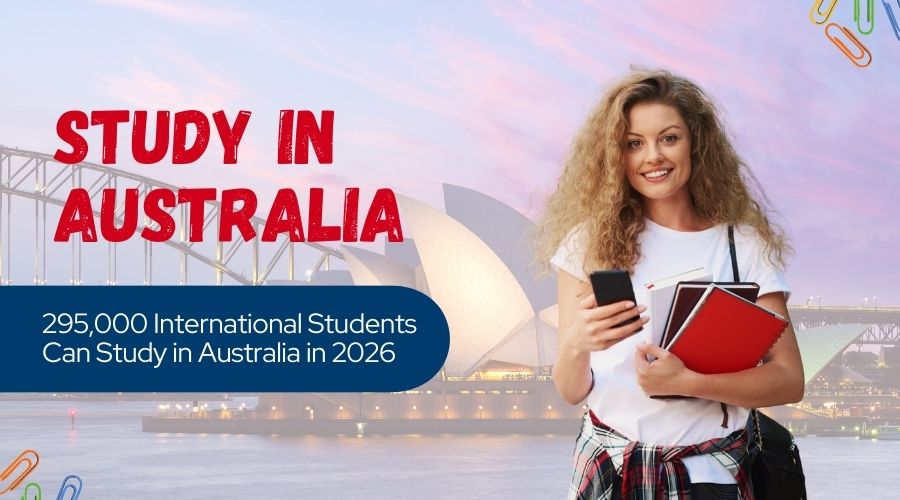
Australia has long been one of the world’s most popular destinations for higher education, and the opportunities are about to grow even more. The Australian government has announced that it will increase the number of international students allowed into universities and vocational institutions in 2026.

According to the new plan, 295,000 international students will be admitted next year — a 9% increase compared to 2025, when 270,000 students were welcomed. This expansion means 25,000 additional spots for global students, opening up more opportunities for those looking to pursue quality education in Australia.

Why Australia is Expanding Student Quotas

The announcement is part of the government’s restructured immigration strategy, which seeks to balance growth in the education sector with national interests. The move also aims to:

  • Support sustainable growth in higher education.

  • Reduce pressure on housing and infrastructure.

  • Strengthen regional diplomatic ties, especially with Southeast Asia.

Australian Education Minister Jason Clare highlighted that international education is vital not only for universities but also for the economy, society, and Australia’s long-term global engagement.

Special Priority for Southeast Asian Students

One of the most important parts of the policy is the priority given to Southeast Asian applicants. The government has emphasized the need to diversify its international student intake, aiming to reduce overdependence on specific regions like China.

Educational institutions that enroll more students from Southeast Asia will even be given additional quotas, reflecting Australia’s focus on strengthening regional ties. Assistant Minister for International Education Julian Hill stated that closer cooperation with Southeast Asia is essential for long-term stability and partnership.

How the Quotas Will Be Distributed

Of the 295,000 available places in 2026:

  • Two-thirds will go to universities, covering undergraduate, postgraduate, and research degrees.

  • One-third will be allocated to vocational education and training (VET), supporting skilled workers and technical programs.

This distribution ensures that both academic and professional training pathways remain open and accessible to international students.

The Economic Impact of International Education

International education is one of Australia’s strongest economic drivers. In 2024 alone, the sector contributed 51 billion Australian dollars, making it the nation’s largest service export industry.

Universities Australia, the peak body for higher education institutions, has welcomed the announcement. CEO Luke Sheehy said, “The way universities have demanded growth in the education sector, the government has implemented it. This is a reasonable step.”

Why This Matters for International Students

For students worldwide, Australia remains a top choice thanks to:

  • Globally ranked universities and high-quality education.

  • A multicultural environment that welcomes diversity.

  • Post-study work opportunities that support career growth.

  • A government actively investing in international education.

The increase in 2026 quotas means more chances for students from different regions to secure admission, especially in competitive programs. While Southeast Asian students are receiving priority, applicants from other parts of the world — including South Asia, the Middle East, Africa, and Latin America — will also benefit from the expanded intake.

Final Thoughts

Australia’s decision to raise its international student quota for 2026 is a clear signal of its commitment to education, diplomacy, and global engagement. With 295,000 places on offer, students worldwide will find new opportunities to access world-class universities, build careers, and contribute to global knowledge and innovation.

For aspiring international students, this is the right time to prepare applications, strengthen academic profiles, and explore study visa options for Australia.

Read More

September 19, 2025

For international professionals looking to enhance their leadership skills and experience U.S. academic and cultural life, the Hubert H. Humphrey Fellowship Program is one of the most prestigious opportunities available. Applications are now open for the 2026–27 academic year, inviting talented young and mid-career professionals from around the globe to study in the United States for 10 months of non-degree graduate-level education and professional development.

Launched in 1978 to honor U.S. Senator and Vice President Hubert H. Humphrey, the fellowship is part of the Fulbright exchange programs funded by the U.S. government. Over the years, it has built a reputation for empowering professionals who are committed to public service and leadership in their fields.

Why the Humphrey Fellowship Matters

Unlike traditional scholarships, this fellowship is not degree-based. Instead, it focuses on professional growth, leadership development, and collaboration. Fellows gain firsthand exposure to U.S. society, culture, and institutions, while sharing their own expertise and perspectives with Americans and other global participants.

The program acts as a platform for building long-term international partnerships, helping participants return to their home countries with new insights and stronger networks to drive change.

Fellowship Benefits

The Humphrey Fellowship is fully funded and covers a wide range of expenses, ensuring participants can focus entirely on their professional and academic journey. Benefits include:

  • Full tuition and fees at the host university in the U.S.

  • Pre-academic English language training (if required).

  • Living allowance to cover accommodation and daily expenses.

  • One-time settlement allowance.

  • Accident and sickness insurance coverage.

  • Book and study materials allowance.

  • One-time computer purchase allowance.

  • International air travel to and from the U.S., plus domestic travel for required program events.

  • Professional development support, including conferences, field trips, and professional visits.

This makes the fellowship not only financially supportive but also rich in opportunities for practical learning and career advancement.

Eligible Fields of Study

The Humphrey Fellowship supports professionals working in areas that contribute to human development and global progress. Key fields include:

  • Human and institutional capacity building

  • Rights and freedoms

  • Sustainable lands and thriving communities

  • Public health and infectious diseases

  • Education administration and policy

  • Environmental management and climate action

Applicant Qualifications

While specific eligibility requirements may vary slightly by country, general criteria for applicants include:

  • A university degree equivalent to at least four years of full-time study.

  • A minimum of five years of full-time professional experience after completing a university degree.

  • Demonstrated leadership qualities and a strong commitment to public service.

  • Proficiency in English, with a valid TOEFL score.

  • Applicants should not have extensive recent U.S. experience (no graduate study or long-term stays in the U.S. within the past 5–7 years).

  • Commitment to return to their home country after the fellowship to share knowledge and contribute to development.

Special note: For applicants in academia, only university teachers or researchers with management experience are considered, except for those teaching English as a foreign language.

Global Reach of the Program

Every year, hundreds of professionals from Asia, Africa, the Middle East, Europe, and Latin America are selected through a competitive process. This diverse cohort creates an environment where fellows learn not just from the United States but from each other, enriching the global exchange of knowledge.

How to Apply

Applications are managed through an online system hosted by the Institute of International Education (IIE). Steps typically include:

  1. Create an IIE account to access the official application form.

  2. Carefully follow the instructions for completing the form, including uploading required documents such as transcripts, CV, recommendation letters, and proof of English proficiency.

  3. Submit the application by the deadline announced by the U.S. Embassy or Fulbright Commission in your home country.

For detailed information, applicants should check with the U.S. Embassy or Fulbright Commission in their country, as deadlines and requirements may vary.

Final Thoughts

The Humphrey Fellowship Program is more than just an academic exchange—it’s a career-transforming experience. By bringing together talented professionals from around the world, the program fosters leadership, cultural exchange, and long-term collaboration.

If you are a professional dedicated to making a difference in your field and your community, this fellowship could be the next big step in your journey.

🌍 Applications for 2026–27 are now open. Don’t miss the chance to study, grow, and lead through the Humphrey Fellowship in the United States.

Read More

September 4, 2025

The Chevening Scholarship is one of the most prestigious and fully funded scholarships in the UK, attracting future leaders, professionals, and change-makers from around the globe. Funded by the UK government’s Foreign, Commonwealth and Development Office (FCDO) and partner organizations, Chevening offers students a chance to pursue a one-year master’s degree at top UK universities.

What is the Chevening Scholarship?

Chevening is a global scholarship program available to applicants from over 160 countries and territories worldwide. Every year, around 1,500 scholarships are awarded, making it one of the largest and most influential scholarship programs in the world.

The scholarship covers all major costs, including:

  • Full tuition fees

  • Airfare to and from the UK

  • Accommodation allowance

  • Monthly stipend for living expenses

  • Additional allowances for books, research, and visa fees

This makes Chevening a completely free scholarship opportunity for students to study at world-class universities across the UK.

Why is Chevening So Popular?

Global Perspective
  • Over 50,000 alumni worldwide have benefited from Chevening since it was launched in 1983.

  • Scholars are part of a powerful international network of leaders across politics, business, media, law, healthcare, and more.

  • The program emphasizes leadership, networking, and impact on society, not just academic excellence.

Bangladeshi Perspective
  • More than 450 Bangladeshi students have studied in the UK through Chevening.

  • It is especially popular among professionals from development organizations, health, legal fields, media, and government sectors.

  • The scholarship has helped Bangladeshi students strengthen their leadership skills and return home to contribute to national development.

Eligibility Criteria

To apply for the Chevening Scholarship, you must meet these requirements:

  1. Educational Qualification

    • A minimum of a second-class undergraduate degree (or equivalent).

  2. Work Experience

    • At least two years (2,800 hours) of professional experience.

    • Includes full-time, part-time, volunteer roles, internships (paid or unpaid).

  3. English Language Requirement

    • Minimum IELTS 6.5 (or equivalent test score such as TOEFL or PTE).

  4. Leadership Potential

    • Demonstrated leadership, networking ability, and community impact.

  5. Commitment to Return

    • Scholars must return to their home country and work for a minimum of two years after completing their studies.

Who Gets the Chevening Scholarship?

Globally, recipients come from diverse fields, including:

  • Government and public service

  • Non-Governmental Organizations (NGOs)

  • Healthcare and legal professions

  • Media and journalism

  • Private sector leadership roles

🔹 In Bangladesh, professionals from development organizations, youth forums, health sectors, and law are common recipients, though academics and journalists are also selected.

Application Process

The Chevening application is made entirely online via the official website (chevening.org).

  1. Online Application

    • Fill in personal, academic, and professional details accurately.

  2. Required Documents

    • Valid passport/national ID

    • Academic certificates and transcripts

    • Two reference letters in English

    • English language proficiency proof (IELTS 6.5 or equivalent)

  3. University Applications

    • Apply to at least three different UK universities.

    • Must secure an unconditional offer letter from at least one before the final selection.

  4. Interview

    • Shortlisted applicants attend an interview at the UK Embassy/High Commission in their country.

  5. Final Selection

    • Successful candidates are awarded the scholarship and start their UK studies in September/October 2026.

Key Tips for Applicants

  • Be honest and accurate in your application.

  • Highlight your leadership roles, networking skills, and community impact.

  • Show how your UK education will benefit your home country and society.

  • Involvement in co-curricular and voluntary activities strengthens your profile.

  • Read the guidelines carefully on the Chevening website before applying.

Important Dates for Chevening 2026-27

  • Applications Opened: 2025

  • Application Deadline: October 7, 2025

  • Interviews: Early 2026

  • Final Selection: Mid-2026

  • Courses Start: September/October 2026

Final Thoughts

The Chevening Scholarship 2026-27 is not just financial support; it is a life-changing opportunity for students worldwide. Whether you are from Bangladesh, Asia, Africa, Europe, or Latin America, Chevening offers you the chance to study at top UK universities, develop leadership skills, and become part of an elite global network.

With the deadline approaching on October 7, 2025, now is the time to prepare your application, polish your leadership story, and take a step towards becoming a global change-maker.

Read More

August 30, 2025

Are you an aspiring leader seeking a world-class education in one of the most influential countries in the world? The Schwarzman Scholars Program at Tsinghua University, Beijing, offers a unique opportunity for outstanding students from across the globe to pursue a fully funded one-year postgraduate degree in China.

This prestigious program brings together future leaders in politics, business, science, and society, helping them build international networks and gain insights into China’s role in global affairs.

About Tsinghua University and the Schwarzman Scholars Program

Founded in 1911, Tsinghua University is consistently ranked among the top universities in China and the world. It is especially renowned for its strong academic programs in science, engineering, social sciences, arts and humanities, medicine, and business studies.

The Schwarzman Scholars Program was established to prepare the next generation of global leaders by offering them an immersive educational experience in China. Scholars engage in rigorous academic training, cultural exchange, and professional networking.

Benefits of the Scholarship

Selected candidates for the 2025 Schwarzman Scholars Program will receive a fully funded package, which includes:

  • Full tuition fees for the program

  • Round-trip airfare to and from Beijing

  • Monthly stipend to cover living and incidental expenses

  • Textbook allowance

  • Comprehensive health insurance

  • Travel allowance for study tours and program activities

This ensures that scholars can focus on their studies and leadership development without financial stress.

Eligibility Criteria

To apply, candidates must:

  • Hold a bachelor’s degree (or equivalent) in any field of study (science, engineering, arts, literature, social sciences, medicine, business, etc.).

  • Demonstrate strong academic performance and leadership potential.

  • Be proficient in English (IELTS or equivalent test scores required).

  • Be motivated to contribute to global leadership and cross-cultural understanding.

Required Documents

Applicants must submit the following documents as part of their online application:

  • Curriculum Vitae (CV)

  • Completed Online Application Form

  • Academic transcripts from previous institutions

  • Three reference letters (academic or professional)

  • English proficiency test score (IELTS or equivalent)

  • Statement of Purpose (SOP)

  • Leadership Purpose Essay

  • Additional supporting documents (if applicable)

Application Process

  1. Prepare all required documents in advance.

  2. Complete the online application form on the Schwarzman Scholars official portal.

  3. Upload transcripts, essays, reference letters, and test scores.

  4. Submit before the deadline.

📌 Application Deadline: September 10, 2025

Early preparation is recommended, as competition is highly selective and applications are reviewed on both academic excellence and leadership potential.

Why Apply?

The Schwarzman Scholars Program is more than a scholarship—it is a gateway to global leadership opportunities. Scholars gain access to:

  • World-class professors and mentors at Tsinghua University

  • Cross-cultural learning with peers from over 100 countries

  • Networking opportunities with political leaders, entrepreneurs, and innovators

  • A deeper understanding of China’s role in global affairs

This program is ideal for students who aspire to make an impact in government, business, technology, social innovation, or academia.

Final Thoughts

The Schwarzman Scholars Program at Tsinghua University is one of the most prestigious postgraduate opportunities in the world. With its fully funded benefits, global networking, and leadership focus, it empowers young leaders to shape the future of international cooperation and innovation.

If you are a motivated student with a vision to lead and inspire, this scholarship could be your pathway to success.

👉 Apply online before September 10, 2025, and take the first step toward becoming part of a global community of future leaders.

Read More

August 27, 2025

If you are planning to pursue higher education in Japan, the Tokyo Global Partner Scholarship 2026 is a golden opportunity for you. Offered by Tokyo Metropolitan University (TMU), this fully funded scholarship allows international students to pursue Master’s and PhD programs in one of Japan’s most prestigious public research universities.

The program aims to enrich academic and research collaboration while supporting outstanding students from across the globe. Applications are now open for the 2026 intake, and interested candidates are encouraged to apply before the deadline.

About Tokyo Metropolitan University (TMU)

Founded in 1949, Tokyo Metropolitan University is a leading public research institution located in the heart of Tokyo, Japan’s capital. The university operates under the supervision of the Tokyo Metropolitan Government and is recognized for its strong focus on innovation, research, and global partnerships.

Currently, TMU hosts around 10,000 students, with a steadily growing number of international students joining its programs each year. Its modern facilities, highly qualified faculty, and diverse academic environment make it one of the best destinations for international scholars.

Benefits of the Tokyo Global Partner Scholarship

The Tokyo Global Partner Scholarship is a fully funded program, ensuring that students can focus on their education and research without financial burden. The key benefits include:

  • Full tuition fee waiver

  • Admission fee coverage

  • Round-trip airfare to and from Japan

  • Monthly stipend of 150,000 yen

  • Additional benefits as per the scholarship policy

This generous support makes it possible for international students to study in Japan with peace of mind while gaining access to world-class education.

Eligibility Criteria

To be considered for the Tokyo Global Partner Scholarship 2026, applicants must meet the following criteria:

  • For Master’s programs: A Bachelor’s degree is required.

  • For PhD programs: A Master’s degree is required.

  • Applicants may also be required to demonstrate work or research experience in an academic institution, government agency, or entrepreneurial organization.

Areas of Study

Students selected for this scholarship can enroll in one of the following schools and graduate programs at Tokyo Metropolitan University:

  • School of Human Health Sciences

  • School of Systems Design

  • School of Urban Environmental Sciences

  • Graduate School of Science

  • Graduate School of Management

  • Graduate School of Law and Politics

  • Graduate School of Humanities

Each school has multiple specialized departments, giving students a wide range of opportunities to pursue their academic interests.

Application Procedure

The application process for the Tokyo Global Partner Scholarship is handled directly by TMU. Interested candidates are encouraged to carefully review the application guidelines and submit the required documents before the deadline.

Detailed information about the application procedure, required forms, and submission process is available on the official scholarship portal of Tokyo Metropolitan University.

Application Deadline

The deadline to apply for the Tokyo Global Partner Scholarship 2026 is:

📅 October 10, 2025

Applicants are strongly advised to prepare their documents and apply early to avoid last-minute issues.

Why Choose Tokyo Global Partner Scholarship?

Studying at Tokyo Metropolitan University under this scholarship is not just about financial support—it is also about becoming part of a globally recognized academic network. Here’s why this scholarship stands out:

  • Fully funded benefits reduce financial stress.

  • Study in Tokyo, one of the world’s most vibrant and innovative cities.

  • Access to cutting-edge research facilities and experienced faculty.

  • Opportunities to build international networks and future career prospects.

  • A diverse and supportive student community.

Final Thoughts

The Tokyo Global Partner Scholarship in Japan 2026 is one of the best opportunities for international students looking to pursue Master’s or PhD programs in Japan. With its generous funding, diverse academic offerings, and strong global outlook, TMU provides the perfect environment to advance your education and research.

If you aspire to build a strong academic and professional career in Japan, don’t miss this chance. Start preparing your application today and take a step closer to becoming part of Tokyo Metropolitan University’s vibrant academic community.

Read More

August 26, 2025

The Wellington Institute of Technology (WelTec) is one of New Zealand’s most recognized institutes of technology, located in the country’s vibrant capital city, Wellington. WelTec specializes in applied and vocational education, offering a wide range of qualifications from certificates and diplomas to bachelor’s degrees and postgraduate programs.

Known for its strong industry connections, WelTec emphasizes practical training, innovation, and hands-on learning to prepare students for the global workforce. Its central location in Wellington, the hub of government, business, and culture, gives international students valuable opportunities for networking, internships, and career growth.

College Overview

  • Location: Wellington, Petone, Auckland (New Zealand)

  • Established: 1904 (over 100 years of excellence)

  • Student Population: 6,000+ (full-time & part-time)

  • International Students: 1,200+ from 40+ countries

  • Language of Instruction: English

  • Affiliation: Te Pūkenga – New Zealand Institute of Skills and Technology

  • Recognition: Known for applied learning and industry partnerships

  • Focus Areas: Engineering, IT, Business, Health, Hospitality, Creative Technologies, Trades

Faculties & Schools

WelTec delivers programs across multiple disciplines:

  • School of Business & Management

  • School of Engineering & Construction

  • School of Health & Social Services

  • School of IT & Creative Technologies

  • School of Hospitality & Culinary Arts

  • School of Trades & Applied Science

Intakes

  • February Intake – Major intake (most programs)

  • July Intake – Secondary intake (selected programs)

  • October/November Intake – Limited certificate and short courses

📌 Apply 6–12 months in advance for better chances of admission and accommodation.

Admission Requirements

Program Level Academic Requirements IELTS TOEFL iBT Duolingo
Certificate/Diploma High school completion with 60%+ average 6.0 (no band < 5.5) 60+ 95+
Bachelor’s Degree High school with strong academic results 6.0 (no band < 5.5) 60+ 95+
Graduate Diploma Bachelor’s degree in a related field 6.0–6.5 (no band < 6.0) 79+ 105+
Postgraduate Programs Bachelor’s degree with 2.5+ GPA 6.5 (no band < 6.0) 79+ 105+
Master’s Programs Bachelor’s degree (Honours preferred) 6.5 (no band < 6.0) 79+ 110+
  • Additional Requirements: Portfolio (Design/IT programs), Resume & SOP for postgraduate applicants

  • Application Fee: NZD $100 – $150

Top Programs at WelTec

💻 Technology & Engineering
  • Bachelor of Information Technology

  • Network Engineering & Cybersecurity

  • Civil & Mechanical Engineering

💼 Business & Management
  • Graduate Diploma in Business Information Systems

  • Applied Management

  • Project Management

🏥 Health & Community
  • Nursing

  • Social Work & Counseling

  • Public Health

🍴 Hospitality & Culinary Arts
  • Cookery & Culinary Management

  • Food & Beverage Service

  • Hotel & Restaurant Management

🎨 Creative & Applied Technologies
  • Creative Technologies (Design, Animation, Media)

  • Construction & Building Trades

  • Automotive Engineering

Tuition Fees

Program Level Estimated Tuition (NZD/year) USD Equivalent (approx.)
Certificate/Diploma NZD $21,000 – $24,000 $13,000 – $15,000
Bachelor’s Degree NZD $22,000 – $27,000 $13,500 – $16,500
Graduate Diplomas NZD $23,000 – $28,000 $14,000 – $17,500
Postgraduate Programs NZD $25,000 – $30,000 $15,500 – $19,000
Master’s Programs NZD $28,000 – $32,000 $17,500 – $20,500

Scholarships & Financial Aid

🎓 WelTec International Scholarships
  • Tuition fee discounts up to NZD $3,000 – $5,000 for high-achieving students

🎓 New Zealand Government Scholarships
  • Manaaki New Zealand Scholarships (for eligible countries)

  • Commonwealth Scholarships

  • Regional country-specific grants

Why Choose WelTec?

✅ Over 100 years of excellence in vocational and applied learning
✅ Located in Wellington, New Zealand’s capital and innovation hub
✅ Strong links with industries for internships and job placements
✅ Modern facilities for engineering, IT, hospitality, and design
✅ Pathways to higher education and professional careers
✅ Eligible for New Zealand’s Post-Study Work Visa (up to 3 years)
✅ Affordable tuition fees and living costs compared to universities

Work Opportunities for Students

  • Part-Time Work: Up to 20 hours/week during study sessions

  • Full-Time Work: During scheduled breaks

  • Work Placements: Included in many programs (IT, Hospitality, Trades)

  • Post-Study Work Visa: 1–3 years based on program length

Conclusion

Wellington Institute of Technology (WelTec) offers international students the perfect balance of practical training, academic excellence, and career opportunities in New Zealand’s capital city. With strong industry connections, modern facilities, and a supportive learning environment, WelTec is a great choice for students seeking applied education and pathways to employment and permanent residency.

August 26, 2025
August 26, 2025

Otago Polytechnic, located in Dunedin, New Zealand, is one of the country’s leading institutions for applied education and vocational training. Established in 1870, it has a strong reputation for practical, hands-on learning and industry engagement. With campuses in Dunedin, Auckland, and Central Otago, the polytechnic offers a wide range of programs from certificates and diplomas to bachelor’s and postgraduate degrees.

International students choose Otago Polytechnic for its supportive learning environment, innovative teaching methods, and opportunities to gain real-world experience in New Zealand’s thriving industries.

College Overview

  • Location: Dunedin, Auckland, and Central Otago, New Zealand

  • Established: 1870

  • Student Population: 8,000+ (including part-time and full-time)

  • International Students: 1,500+ from 40+ countries

  • Language of Instruction: English

  • Affiliation: Te Pūkenga – New Zealand Institute of Skills and Technology

  • Recognition: Consistently high graduate satisfaction and employment outcomes

  • Focus Areas: Health, Design, Business, Hospitality, Engineering, IT, Trades, and Applied Sciences

Faculties & Schools

Otago Polytechnic delivers its programs through the following academic schools:

  • School of Business

  • School of Design

  • School of Engineering, Construction & Living Sciences

  • School of IT & Health Sciences

  • School of Hospitality & Culinary Arts

  • School of Trades & Applied Science

  • School of Adventure & Outdoor Education

  • School of Art & Design

Intakes

  • February Intake – Main intake for most programs

  • July Intake – Secondary intake (limited programs)

  • October/November Intake – For selected short courses and certificates

📌 Apply 6–12 months early to secure admission and accommodation.

Admission Requirements

Program Level Academic Requirements IELTS TOEFL iBT Duolingo
Certificate/Diploma High school completion with 60%+ average 6.0 (no band < 5.5) 60+ 95+
Bachelor’s Degree High school with strong academic results 6.0 (no band < 5.5) 60+ 95+
Postgraduate Certificate/Diploma Bachelor’s degree with 2.5+ GPA 6.5 (no band < 6.0) 79+ 105+
Master’s Programs Bachelor’s degree (Honours preferred) 6.5 (no band < 6.0) 79+ 110+
  • Additional Requirements: Portfolio (Design, Art programs), Resume & SOP for PG programs

  • Application Fee: NZD $100 – $150

Top Programs at Otago Polytechnic

💻 Technology & Engineering
  • Information Technology (Bachelor & Diploma)

  • Civil Engineering

  • Mechanical Engineering

💼 Business & Management
  • Bachelor of Applied Management

  • Graduate Diploma in Business

  • Project Management (PG)

🏥 Health & Community
  • Nursing

  • Midwifery

  • Social Services

🎨 Creative Industries
  • Bachelor of Design (Communication, Fashion, Product)

  • Bachelor of Visual Arts

  • Culinary Arts & Hospitality

🌿 Specialized Programs
  • Outdoor Adventure & Education

  • Sustainable Practice

  • Horticulture

Tuition Fees

Program Level Estimated Tuition (NZD/year) USD Equivalent (approx.)
Certificate/Diploma NZD $22,000 – $25,000 $13,500 – $15,500
Bachelor’s Degree NZD $23,000 – $28,000 $14,000 – $17,500
Postgraduate Programs NZD $25,000 – $30,000 $15,500 – $19,000
Master’s Programs NZD $28,000 – $32,000 $17,500 – $20,500

Scholarships & Financial Aid

🎓 Otago Polytechnic International Scholarships
  • Merit Scholarships (NZD $2,000 – $5,000)

  • Pathway Scholarships for progressing from diploma to degree

🎓 External Scholarships
  • New Zealand Government (Manaaki New Zealand Scholarships)

  • Commonwealth Scholarships

  • Country-specific funding for Asia & Pacific students

Why Choose Otago Polytechnic?

✅ Strong focus on practical, career-oriented education
✅ Excellent facilities for health sciences, design, and engineering
✅ Located in Dunedin, a vibrant student city with a supportive community
✅ High graduate employment rates and employer satisfaction
✅ Affordable living costs compared to other New Zealand cities
✅ Opportunity for internships, co-ops, and work placements
✅ Clear pathway to Permanent Residency in New Zealand

Work Opportunities for Students

  • Part-Time Work: Up to 20 hours/week during study sessions

  • Full-Time Work: During scheduled breaks

  • Work-Integrated Learning: Many programs include internships or applied projects

  • PGWP Eligibility: Up to 3 years after graduation (depending on program length)

Conclusion

Otago Polytechnic is an excellent choice for international students seeking a practical and innovative education in New Zealand. With campuses in Dunedin, Auckland, and Central Otago, it provides a perfect balance of academic excellence, industry connections, and post-study work opportunities. Its focus on applied learning and strong student support services make it one of the most attractive destinations for international learners in New Zealand.

August 26, 2025
August 26, 2025

Unitec Institute of Technology, located in Auckland, New Zealand, is one of the country’s leading institutes for applied learning and industry-focused education. Established in 1976, Unitec offers more than 150 programs at certificate, diploma, bachelor, and postgraduate levels. With a strong focus on practical training, research, and innovation, the institute provides pathways to both academic and career success.

Unitec is known for its diverse student body, cutting-edge facilities, and close collaboration with industries in technology, health, creative arts, and business. It is also recognized for supporting international students with work-ready programs and strong employment pathways in New Zealand.

College Overview

  • Location: Auckland, New Zealand

  • Established: 1976

  • Student Population: 16,000+ (full-time and part-time)

  • International Students: 2,000+ from 80+ countries

  • Language of Instruction: English

  • Affiliation: New Zealand Qualifications Authority (NZQA) – Category 1 provider

  • Recognition: Leading polytechnic in applied education in NZ

  • Focus Areas: Engineering, IT, Business, Health, Creative Industries, Trades

Faculties & Schools

Unitec delivers programs through several specialized schools:

  • School of Architecture & Design

  • School of Business

  • School of Computing & IT

  • School of Engineering

  • School of Creative Industries

  • School of Health & Community Studies

  • School of Trades & Services

Intakes

  • Semester 1 Intake: February/March

  • Semester 2 Intake: July/August

  • Short Courses/Certificates: Rolling admissions (varies by program)

📌 Tip: Apply at least 6–8 months in advance to secure admission and accommodation.

Admission Requirements

Program Level Academic Requirements IELTS TOEFL iBT Duolingo
Certificate/Diploma High school completion with 60%+ 5.5 (no band <5.0) 61+ 90+
Bachelor’s Degree High school completion with strong grades 6.0 (no band <5.5) 79+ 100+
Postgraduate Programs Bachelor’s degree with 2.5+ GPA 6.5 (no band <6.0) 90+ 110+

Additional Requirements:

  • Resume & Statement of Purpose (for PG programs)

  • Portfolio (for design, architecture, and creative programs)

  • Application Fee: NZD $100

Top Programs at Unitec Institute of Technology

💻 Technology & Engineering
  • Civil Engineering

  • Electrical Engineering

  • Construction Project Management

  • Automotive Engineering

💼 Business & Management
  • Bachelor of Business

  • Master of Applied Practice (Business Management)

  • Accounting & Finance

  • Supply Chain and Logistics

🏥 Health & Community Studies
  • Nursing (Bachelor of Nursing)

  • Social Work

  • Early Childhood Education

  • Public Health

🎨 Creative & Design
  • Architecture

  • Graphic Design

  • Screen Arts (Film & TV)

  • Performing & Creative Arts

Tuition Fees

Program Level Estimated Tuition (NZD/year) USD Equivalent (approx.)
Certificate/Diploma NZD $22,000 – $25,000 $13,500 – $15,500
Bachelor’s Degree NZD $23,000 – $28,000 $14,000 – $17,000
Postgraduate Programs NZD $26,000 – $30,000 $16,000 – $18,500

Scholarships & Financial Aid

🎓 Unitec Scholarships
  • International Student Scholarships (NZD $1,000 – $3,000)

  • Academic Excellence Awards

  • Māori & Pacific Student Support Awards

🎓 External Scholarships
  • New Zealand Government Scholarships (Manaaki NZ)

  • Commonwealth Scholarships

  • Country-specific scholarships (e.g., South Asia, Africa, ASEAN)

Why Choose Unitec Institute of Technology?

✅ One of New Zealand’s leading applied learning institutions
✅ Strong industry connections and work-ready programs
✅ Affordable tuition compared to universities
✅ Pathways to Bachelor’s and Master’s degrees
✅ Located in Auckland, NZ’s largest economic hub
✅ Excellent student support services for internationals
✅ PGWP (Post-Study Work Visa) pathways in New Zealand

Work Opportunities for Students

  • Part-Time Work: Up to 20 hours/week during studies

  • Full-Time Work: During semester breaks

  • Internships/Co-ops: Available in most programs

  • Post-Study Work Visa: 1–3 years, depending on qualification level

  • Industry Links: Strong ties with Auckland’s tech, health, and creative industries

Conclusion

Unitec Institute of Technology is an ideal choice for students seeking a career-focused, hands-on education in New Zealand. With its affordable tuition, diverse international community, and location in Auckland, Unitec provides excellent pathways for both academic and professional success.

August 17, 2025
August 17, 2025

Imperial College London is one of the world’s most prestigious universities, renowned for excellence in science, engineering, medicine, and business. Consistently ranked among the top 10 universities globally, Imperial attracts students from over 140 countries, creating a vibrant international academic community. Located in the heart of London, the university offers world-class teaching, groundbreaking research opportunities, and strong industry connections, making it a top destination for ambitious international students.

University Overview

  • Location: South Kensington, London, United Kingdom

  • Established: 1907 (as Imperial College of Science and Technology)

  • World Ranking (QS 2025): #6 globally

  • Institution Type: Public Research University

  • Student Population: 23,000+

  • International Students: 60%+ (from 140+ countries)

  • Language of Instruction: English

  • Specialties: STEM fields (Science, Technology, Engineering, Medicine) and Business

Faculties & Departments

  • Faculty of Engineering

  • Faculty of Medicine

  • Faculty of Natural Sciences

  • Imperial College Business School

  • Research Centers & Institutes (AI, Climate Change, Data Science, Robotics, Bioengineering, etc.)

Intakes

  • Undergraduate Programs: September/October

  • Postgraduate Programs: September/October (some January starts)

  • Application Deadlines:

    • Undergraduate: January (via UCAS)

    • Postgraduate: Varies by program (early application recommended)

Admission Requirements

Program Level Academic Requirements IELTS (Overall) TOEFL iBT PTE Academic
Undergraduate A-Levels: AAA or equivalent (IB: 38–42 points) 6.5–7.0 92–100 62+
Postgraduate Bachelor’s degree with First Class / Upper Second (2:1) 7.0 (no band <6.5) 100+ 69+

Additional Requirements:

  • Personal Statement / Statement of Purpose

  • Strong references (academic or professional)

  • Standardized tests (e.g., GRE/GMAT for some programs in Business/Engineering)

  • Research proposal (for PhD applicants)

Popular Programs for International Students

  • Mechanical Engineering

  • Computer Science

  • Electrical & Electronic Engineering

  • Medicine (MBBS)

  • Bioengineering

  • Data Science and Artificial Intelligence

  • Business Analytics (MBA, MSc)

  • Climate Change, Management & Finance

  • Civil & Environmental Engineering

Tuition Fees

Program Type Tuition (GBP/year) Approx. USD/year
Undergraduate £37,900 – £42,500 $48,000 – $54,000
Postgraduate (Taught) £31,800 – £40,800 $40,000 – $52,000
MBA £67,500 $86,000

Scholarships & Funding

  • Imperial College President’s PhD Scholarships

  • Imperial Excellence Scholarships (Business School)

  • Chevening Scholarships (UK Government)

  • Commonwealth Scholarships

  • GREAT Scholarships (for selected countries)

  • External funding bodies (British Council, industry sponsors)

Work & Career Opportunities

  • Work Rights (Student Visa): Up to 20 hours/week during term, full-time during holidays

  • Graduate Employment Rate: Among the highest in the UK (95%+ employed or in further study within 6 months)

  • Industry Connections: Strong ties with tech companies, finance firms, healthcare organizations, and global research institutes

  • Entrepreneurship: Imperial’s Enterprise Lab supports student startups and innovations

Why Choose Imperial College London?

  • Top 10 university worldwide, globally recognized for research and innovation

  • Located in central London, offering unmatched networking and career opportunities

  • Highly international student body, fostering a global learning environment

  • Industry-linked research projects and internships

  • Cutting-edge facilities, labs, and entrepreneurial ecosystem

August 17, 2025
August 17, 2025

University College London (UCL), established in 1826, is one of the world’s top-ranked universities and a member of the prestigious Russell Group. Located in the heart of London, UCL is renowned for academic excellence, cutting-edge research, and a diverse international student community. The university consistently ranks among the top 10 globally, offering a wide range of undergraduate, postgraduate, and research programs across disciplines. With world-class facilities, a strong emphasis on innovation, and its central London location, UCL attracts students from more than 150 countries.

University Overview

  • Location: London, England, United Kingdom

  • Established: 1826

  • Institution Type: Public Research University

  • Global Ranking (QS 2025): #9 in the World, #2 in the UK

  • Student Population: 43,800+

  • International Students: 22,000+ from 150+ countries

  • Language of Instruction: English

  • Specialties: Medicine, Engineering, Law, Social Sciences, Arts, Architecture, Computer Science

Faculties & Schools

  • Faculty of Arts & Humanities

  • Bartlett Faculty of the Built Environment

  • Faculty of Brain Sciences

  • Faculty of Engineering Sciences

  • Faculty of Education & Society

  • Faculty of Laws

  • Faculty of Life Sciences

  • Faculty of Mathematical & Physical Sciences

  • Faculty of Medical Sciences

  • Faculty of Population Health Sciences

  • Faculty of Social & Historical Sciences

Intakes

  • Main Intakes: September

  • Application Deadlines:

    • Undergraduate (UCAS): January

    • Postgraduate: Varies by program, typically December–March

Admission Requirements

Program Level Academic Requirements IELTS (Overall) TOEFL iBT PTE Academic
Undergraduate A-levels / IB / equivalent with high grades 6.5 (min 6.0) 92+ 62+
Postgraduate Bachelor’s degree with strong GPA 7.0 (min 6.5) 100+ 69+
Research (PhD) Master’s degree + research proposal 7.0+ 100+ 69+

Additional Requirements:

  • Academic transcripts & certificates

  • Personal statement

  • Reference letters

  • Research proposal (for PhD)

  • Passport & proof of English proficiency

Popular Programs for International Students

  • Medicine and Biomedical Sciences

  • Engineering and Computer Science

  • Economics and Business Management

  • Architecture and Urban Planning

  • Law and Political Science

  • Social Sciences and Psychology

  • Arts, Humanities, and Languages

Tuition Fees

Program Type Tuition (GBP/year) Approx. USD/year
Undergraduate £25,000 – £34,000 $31,700 – $43,100
Postgraduate Taught £26,000 – £36,000 $33,000 – $45,600
MBA / Medicine / Specialized £38,000 – £50,000 $48,200 – $63,400

Scholarships & Funding

  • UCL Global Undergraduate Scholarships

  • UCL Graduate Research Scholarships

  • UCL Global Masters Scholarships

  • Chevening Scholarships

  • Commonwealth Scholarships

  • External funding from British Council, Government, and NGOs

Work & Career Opportunities

  • Work Rights (Student Visa): Up to 20 hours/week during term, full-time in holidays

  • Placements: Strong internship and placement opportunities with London-based companies

  • Industry Links: Partnerships with global firms in finance, tech, healthcare, and law

  • Graduate Outcomes: Ranked among the top UK universities for employability (QS Graduate Employability Rankings: Top 20 globally)

Why Choose University College London (UCL)?

  • Ranked among the Top 10 Universities in the World

  • Situated in central London, offering unmatched career opportunities

  • Strong research culture and innovation-driven environment

  • World-class faculty and diverse global student community

  • Excellent support services for international students

August 17, 2025
August 17, 2025

Newcastle College, located in the vibrant city of Newcastle upon Tyne, England, is one of the UK’s largest further and higher education colleges. Known for its strong focus on employability and vocational learning, the college provides a wide range of programs from foundation courses to undergraduate degrees. With modern facilities, industry partnerships, and a supportive environment for international students, Newcastle College equips learners with practical skills and global career opportunities.

College Overview

  • Location: Newcastle upon Tyne, England, United Kingdom

  • Established: 1894 (as Rutherford College, later merged to form Newcastle College)

  • Institution Type: Public Further and Higher Education College

  • Student Population: 16,000+

  • International Students: 1,000+ from over 40 countries

  • Language of Instruction: English

  • Specialties: Vocational training, Higher National Diplomas (HND), Foundation Degrees, Undergraduate Degrees

Faculties & Schools

  • School of Digital Technologies

  • School of Health, Childcare & Business

  • School of Construction, Engineering & Automotive

  • School of Arts & Creative Industries

  • School of Hospitality & Tourism

  • Newcastle College University Centre (for higher education degrees)

Intakes

  • Main Intakes: September, January

  • Short Courses/Pathways: Rolling admissions (varies by program)

  • Application Deadlines: Flexible (early application advised for visa processing)

Admission Requirements

Program Level Academic Requirements IELTS (Overall) TOEFL iBT PTE Academic
Foundation / Diploma High school completion or equivalent 5.5 60+ 42+
Undergraduate (BA, BSc, HND) A-levels / IB / equivalent 6.0 72+ 50+
Postgraduate Pathways Bachelor’s degree 6.5 88+ 58+

Additional Requirements:

  • Academic transcripts & certificates

  • Personal statement

  • Proof of English proficiency

  • Passport copy

Popular Programs for International Students

  • Business Management

  • Engineering & Technology

  • Digital Media & Computing

  • Health & Social Care

  • Hospitality & Tourism Management

  • Art & Design

  • Performing Arts

  • Aviation & Travel Services

Tuition Fees

Program Type Tuition (GBP/year) Approx. USD/year
Foundation / Diploma £10,000 – £12,000 $12,700 – $15,200
Undergraduate (HND, BA, BSc) £12,500 – £13,500 $15,900 – $17,100
Top-Up / Degree Programs £13,500 – £14,500 $17,100 – $18,400

Scholarships & Funding

  • Newcastle College International Student Scholarships

  • GREAT Scholarships (UK Government, for selected countries)

  • External funding (British Council, Chevening, Commonwealth)

  • Discounts for early applicants in some programs

Work & Career Opportunities

  • Work Rights (Student Visa): Up to 20 hours/week during term, full-time during holidays

  • Placement Opportunities: Many vocational courses include internships and work placements

  • Industry Links: Strong connections with healthcare, IT, aviation, hospitality, and creative sectors

  • Graduate Pathways: Students can progress to Newcastle College University Centre or transfer to UK universities for top-up degrees

Why Choose Newcastle College?

  • Affordable tuition compared to many UK universities

  • Wide range of vocational and academic programs tailored for global careers

  • Strong employability focus with work placements and industry partnerships

  • Supportive environment for international students in a vibrant student city

  • Pathways to undergraduate and postgraduate studies in the UK

August 14, 2025
August 14, 2025

Bath College is a leading further education institution in South West England, located in the UNESCO World Heritage city of Bath. Known for its welcoming environment and strong industry connections, the college offers a wide range of vocational, academic, and apprenticeship programs. With modern facilities and a focus on hands-on learning, Bath College provides international students with the skills and qualifications needed to progress to employment or higher education. Its location offers a unique blend of historic charm and modern student life, making it a popular choice for learners from around the world.

College Overview

  • Location: Bath, Somerset, England, United Kingdom

  • Established: 1892 (current form after 2015 merger of City of Bath College and Norton Radstock College)

  • Institution Type: Public Further Education College

  • Student Population: 3,000+ full-time students

  • International Students: Welcomes students from multiple countries

  • Language of Instruction: English

  • Campuses: City Centre Campus (Bath), Somer Valley Campus (Radstock)

  • Specialties: Creative arts, business, engineering, health & social care, hospitality

Faculties & Departments

  • Creative Arts & Design

  • Business & Enterprise

  • Engineering & Technology

  • Health, Social Care & Early Years

  • Hospitality & Catering

  • Sport & Leisure

  • Construction & Building Services

  • Computing & IT

  • Hair, Beauty & Complementary Therapies

  • English Language & ESOL

Intakes

  • Major Intakes: September

  • Additional Intakes: January (limited courses)

  • Recommended Application Period: 4–6 months before intake

Admission Requirements

Program Level Academic Requirements IELTS (Overall) TOEFL iBT PTE Academic
Level 2 / Diploma Year 11 or equivalent 5.0 (no band <4.5) 45–59 36–41
Level 3 / Extended Diploma Year 12 or equivalent 5.5 (no band <5.0) 46–59 42–49
Foundation / Higher National Diploma (HND) Year 12 + relevant background 6.0 (no band <5.5) 60–78 50–57

Documents Required:

  • Academic transcripts and certificates

  • Proof of English proficiency

  • Passport copy

  • Personal statement

  • Portfolio (for creative courses)

Popular Programs for International Students

  • Extended Diploma in Business

  • Extended Diploma in Creative Arts & Design

  • HND in Hospitality Management

  • HND in Health & Social Care

  • Diploma in Engineering

  • ESOL English Language Programs

Tuition Fees

Program Type Tuition (GBP/year) Approx. USD/year
Level 2 / Diploma £7,000 – £7,500 $8,900 – $9,500
Level 3 / Extended Diploma £7,500 – £8,000 $9,500 – $10,200
HND / Foundation £8,000 – £9,000 $10,200 – $11,400

Scholarships & Funding

  • Bath College International Student Discounts (selected courses)

  • UK Government and British Council Scholarships (e.g., GREAT Scholarships for eligible students)

  • Country-specific sponsorship schemes

Work & Career Opportunities

  • Work Rights: Up to 20 hours/week during term, full-time during holidays

  • Industry Placements: Integrated in many vocational courses

  • Progression Routes: Strong pathways to UK universities through foundation and HND programs

Why Choose Bath College?

  • Located in a UNESCO World Heritage city with rich culture and history

  • Strong vocational and practical training focus

  • Small class sizes for personalized learning

  • Close links with employers for work experience opportunities

  • Modern facilities with dedicated creative and technical labs

August 13, 2025

Germany has long been a hub for high-quality, affordable education, attracting students from around the world. Among its most prestigious funding programs is the DAAD Helmut-Schmidt Master’s Scholarship, designed for outstanding students from developing countries who aspire to pursue a Master’s degree in Germany.

Funded by the German Academic Exchange Service (DAAD), this program not only covers tuition fees but also offers a generous living allowance, travel grants, and additional benefits — making it one of the most competitive scholarships in Europe.

About the DAAD and the Helmut-Schmidt Program

The Deutscher Akademischer Austauschdienst (DAAD), or German Academic Exchange Service, is the world’s largest funding organization for international academic exchange. Founded in 1925, it supports over 150,000 scholars annually through various programs.

The Helmut-Schmidt Master’s Scholarship specifically supports future leaders in politics, law, economics, and administration from developing countries, preparing them for roles in governance and development back home.

Key Benefits

The DAAD Helmut-Schmidt Master’s Scholarship offers a comprehensive package to ensure selected scholars can focus entirely on their academic and professional growth:

  • Full tuition and examination fee coverage.

  • Monthly living stipend of €992.

  • Round-trip airfare to and from Germany.

  • Health insurance throughout the study period.

  • Housing allowance and additional support for accompanying family members.

  • Subsidy for study and research activities.

  • Six-month intensive German language course prior to the start of the degree program, fully funded by DAAD.

Who Can Apply

Applicants must meet a set of clear eligibility requirements:

  1. Bachelor’s Degree: Must hold a first degree from a recognized institution.

  2. Graduation Timeline: The last degree should have been earned within the past six years.

  3. Nationality: Must be from a developing or emerging country (based on the OECD DAC list).

  4. Language Requirement: Application materials must be in English or German.

  5. Supporting Documents: All required certificates, transcripts, and references must be included with the application.

Eligible Fields of Study

While the Helmut-Schmidt scholarship is not available for all academic disciplines, it primarily supports Master’s programs related to:

  • Public Policy

  • Good Governance

  • Law

  • Economics and Development Studies

  • Political Science

  • Public Administration

Application Process

The application process for the DAAD Helmut-Schmidt Master’s Scholarship is entirely online and involves several steps:

  1. Select Eligible Universities and Programs participating in the Helmut-Schmidt scheme.

  2. Prepare Required Documents, including academic transcripts, CV, motivation letter, proof of language proficiency, and recommendation letters.

  3. Submit Applications directly to the selected universities and in some cases through the DAAD portal.

  4. Wait for Evaluation — shortlisted candidates may be invited for an interview or further assessment.

Important Dates

  • Application Deadline: 31 July 2025
    Late submissions will not be considered, so applicants are encouraged to apply well in advance.

Why Apply for the Helmut-Schmidt Master’s Scholarship?

  • Full Funding: Covers all essential expenses, including tuition, living costs, and travel.

  • Career Boost: Designed to prepare graduates for leadership positions in their home countries.

  • International Exposure: Opportunity to live and study in Germany’s multicultural academic environment.

  • Language Skills: Includes a fully funded German language course, adding value to your professional profile.

Final Thoughts

The DAAD Helmut-Schmidt Master’s Scholarship 2025 is more than just financial aid — it is a strategic investment in building global leaders who will contribute to sustainable governance and development in their countries.

For ambitious, socially committed professionals from developing nations, this scholarship is a gateway to world-class education and an international career network. With generous funding, academic excellence, and a clear focus on leadership, it stands among the top opportunities in the global scholarship landscape.

Read More

August 13, 2025

The Commonwealth Professional Fellowship is one of the most prestigious career development opportunities offered by the Commonwealth Scholarship Commission (CSC) in the United Kingdom. Applications for the 2025 intake are now open, giving mid-career professionals from across the Commonwealth the chance to spend a fully funded period in the UK working within top-tier organizations.

The fellowship’s primary purpose is to enhance skills, knowledge, and leadership capacity in a way that directly benefits the fellow’s home country. By working in a UK host institution, fellows gain exposure to advanced professional practices, innovative projects, and cross-cultural collaboration — all of which can be applied upon their return.

About the Commonwealth Professional Fellowship

Unlike academic scholarships, this fellowship is focused on hands-on professional experience rather than formal study. Fellows are placed within UK organizations — such as government agencies, NGOs, universities, think tanks, or specialist institutions — to work on projects that align with the CSC’s six development themes:

  1. Science and technology for development

  2. Strengthening health systems and capacity

  3. Promoting global prosperity

  4. Strengthening resilience and response to crises

  5. Access, inclusion, and opportunity

  6. Strengthening global governance and peace

Key Benefits

Selected fellows will receive an extensive package of financial and professional support:

  • Round-trip airfare to and from the UK.

  • Visa processing fee coverage.

  • Monthly living allowance:

    • £2,104 per month (outside London).

    • £2,612 per month (within the London Metropolitan area).

  • Arrival travel allowance of £1,183.20.

  • Work-related travel support of up to £2,000 for attending events, meetings, or visiting institutions within the UK.

These benefits ensure that fellows can fully focus on their professional development without financial burden.

Eligibility Criteria

Applicants must meet the following requirements:

  1. Nationality/Residency: Must be a citizen or permanent resident of a Commonwealth country, or hold refugee status in a Commonwealth nation.

  2. Employment: Must be employed at the time of application and able to return to the same organization after the fellowship ends.

  3. Professional Standing: Must provide two references from their current employer confirming their role and suitability for the fellowship.

  4. Academic Qualification: Must hold at least a bachelor’s degree (or equivalent professional qualification).

  5. Career Stage: Typically targeted at mid-career professionals with potential to make a significant impact in their field.

Duration and Structure

The fellowship typically runs for six weeks to three months, depending on the program’s design and the host organization’s schedule. During this time, fellows may:

  • Participate in training and workshops

  • Collaborate on active projects

  • Engage in policy discussions and research

  • Visit related institutions in the UK

  • Attend sector-specific conferences and networking events

Who Can Apply

The fellowship is aimed at mid-career professionals with a proven track record in their field. Ideal candidates are those working in sectors such as:

  • Public administration and policy

  • Health and social care

  • Education and training

  • Environmental management

  • Technology and innovation

  • Humanitarian and development work

Application Process

Applications are submitted online through the Commonwealth Scholarship Commission’s official portal. Candidates will need to:

  1. Select a host organization and identify a relevant fellowship program.

  2. Complete the online application form, highlighting career achievements and fellowship objectives.

  3. Upload supporting documents, including academic transcripts, proof of citizenship, and employer references.

  4. Submit before the deadline — no late applications are accepted.

Key Dates

  • Application Deadline: 22 August 2025

Why This Fellowship is Unique

The Commonwealth Professional Fellowship is not only about gaining skills — it’s about creating a multiplier effect. Fellows are expected to apply their learning to benefit their home organizations, communities, and wider society.

This program fosters mutual exchange: fellows bring their expertise to the UK, contribute to ongoing projects, and return home with advanced knowledge, international networks, and a broader worldview.

Final Thoughts

The Commonwealth Professional Fellowship 2025 – UK is an unparalleled chance for mid-career professionals to grow, collaborate, and make a lasting impact. Fully funded and professionally enriching, it offers both the resources and the platform to turn potential into real-world change.

For professionals ready to take their skills to the next level and contribute meaningfully to development within the Commonwealth, this is an opportunity not to be missed.

Read More

August 12, 2025
August 12, 2025

City of Glasgow College is one of Scotland’s largest and most modern further education institutions, offering a wide range of vocational, technical, and academic programs. Situated in the vibrant city of Glasgow, the college provides students with access to world-class facilities, industry-standard equipment, and experienced teaching staff. Known for its strong employer connections and focus on career-ready skills, City of Glasgow College attracts international students seeking high-quality, practical education with pathways to universities across the UK and beyond.

College Overview

  • Location: Glasgow, Scotland, United Kingdom

  • Established: 2010 (through merger of Central College, Glasgow Metropolitan College, and Glasgow College of Nautical Studies)

  • Institution Type: Public Further Education College

  • Student Population: 27,000+

  • International Students: 1,000+ from over 130 countries

  • Language of Instruction: English

  • Campuses: City Campus, Riverside Campus

  • Specialties: Maritime studies, engineering, hospitality, creative industries

Faculties & Departments

  • Nautical & Maritime Studies

  • Engineering & Energy

  • Business & Enterprise

  • Creative Industries

  • Hospitality & Tourism

  • Health & Social Care

  • Computing & Digital Technologies

  • Construction & Built Environment

  • English Language & ESOL

  • Sport & Fitness

Intakes

  • Major Intakes: August/September, January

  • Additional Intakes: April (limited courses)

  • Recommended Application Period: At least 4–6 months before intake

Admission Requirements

Program Level Academic Requirements IELTS (Overall) TOEFL iBT PTE Academic
Certificate / NC Year 11 or equivalent 5.0 (no band <4.5) 45–59 36–41
HNC / HND Year 12 or equivalent 5.5 (no band <5.0) 46–59 42–49
Degree Pathway Year 12 + relevant diploma 6.0 (no band <5.5) 60–78 50–57

Documents Required:

  • Academic transcripts and certificates

  • Proof of English proficiency

  • Passport copy

  • Personal statement

  • Portfolio (for creative courses)

Popular Programs for International Students

  • HND Nautical Science

  • HND Marine Engineering

  • HND Hospitality Management

  • HND Business

  • HND Computer Science

  • HND Creative Industries (Photography, Media)

Tuition Fees

Program Type Tuition (GBP/year) Approx. USD/year
Certificate / NC £7,000 – £8,000 $8,900 – $10,200
HNC / HND £7,500 – £8,500 $9,500 – $10,800
Degree Pathway £8,000 – £9,500 $10,200 – $12,100

Scholarships & Funding

  • City of Glasgow College International Student Scholarships (merit-based)

  • Scotland’s Saltire Scholarships (for eligible postgraduate pathways)

  • Country-specific sponsorships

Work & Career Opportunities

  • Work Rights: Up to 20 hours/week during term, full-time during holidays

  • Industry Placements: Included in many vocational programs

  • University Pathways: Progression agreements with Scottish universities

Why Choose City of Glasgow College?

  • One of Scotland’s most modern and largest colleges

  • Strong focus on practical, industry-ready skills

  • Award-winning campuses and facilities

  • Strategic location in Glasgow – Scotland’s cultural and economic hub

  • Extensive employer partnerships for internships and work experience

August 12, 2025
August 12, 2025

Cambridge Regional College (CRC) is one of the largest further education institutions in the East of England, providing high-quality vocational, technical, and academic programs. Located in the globally renowned city of Cambridge, CRC offers pathways to top universities, industry-focused diplomas, English language courses, and professional training. With modern facilities and strong employer partnerships, it is a prime choice for international students seeking hands-on education and career opportunities in the UK.

Institution Overview

  • Location: Cambridge & Huntingdon, England, United Kingdom

  • Established: 1988

  • Institution Type: Public Further Education College

  • Student Population: 10,000+

  • International Students: 500+

  • Language of Instruction: English

  • Ofsted Rating: Good

  • Pathway Partners: Anglia Ruskin University, University of Hertfordshire, University of Bedfordshire

Faculties & Departments

  • Business & Management

  • Engineering & Manufacturing

  • Health & Social Care

  • Hospitality & Culinary Arts

  • Information Technology & Computing

  • Creative Arts & Media

  • Construction & Building Services

  • Hair & Beauty

  • English Language & Foundation Studies

  • Sport Science & Fitness

Intakes

  • Major Intakes: September, January

  • Additional Intakes: April (selected programs)

  • Recommended Application Period: Apply 4–6 months before intake

Admission Requirements

Program Level Academic Requirements IELTS (Overall) TOEFL iBT PTE Academic
Foundation / Cert. Year 11 or equivalent 5.0 (no band <4.5) 45–59 36–41
Diploma / Adv. Dip. Year 12 or equivalent 5.5 (no band <5.0) 46–59 42–49
Higher Education Year 12 + relevant diploma 6.0 (no band <5.5) 60–78 50–57

Documents Required:

  • Academic transcripts

  • Proof of English language proficiency

  • Passport copy

  • Personal statement

  • Portfolio (for creative courses)

Popular Programs for International Students

  • Business & Management – Level 3 Diploma, HNC in Business

  • Engineering – Extended Diploma, HNC in Electrical/Electronic Engineering

  • Hospitality – Level 3 Professional Cookery, Hospitality Management

  • Creative Arts – Diploma in Art & Design, Media Production

  • English Language – General English, International Foundation Programme

Tuition Fees

Program Type Tuition (GBP/year) Approx. USD/year
Foundation / Cert. £7,000 – £8,000 $8,900 – $10,200
Diploma / Adv. Dip. £7,500 – £8,500 $9,500 – $10,800
Higher Education £8,000 – £9,500 $10,200 – $12,100

Scholarships & Funding

  • CRC International Scholarship (merit-based)

  • Chevening Scholarships (UK Government, for eligible postgraduate pathways)

  • Country-specific sponsorships

Work & Career Opportunities

  • Work Rights: Up to 20 hours/week during term, full-time during breaks

  • Industry Placements: Included in many vocational programs

  • University Pathways: Direct progression to partner universities

Why Choose Cambridge Regional College?

  • Located in Cambridge – a global hub for research and education

  • Affordable tuition compared to other UK institutions

  • Hands-on, career-focused learning

  • Modern workshops, studios, and training kitchens

  • Strong student support services

August 11, 2025
August 11, 2025

Seattle Colleges is a network of three accredited community colleges located in Seattle, Washington, offering high-quality, affordable education to both domestic and international students. Known for its academic excellence, cultural diversity, and strong university transfer programs, Seattle Colleges provides students with the skills, knowledge, and opportunities to thrive in today’s global economy. Situated in one of the most innovative and dynamic cities in the USA, it offers access to a vibrant tech-driven job market and a rich cultural scene.

Institution Overview

  • Location: Seattle, Washington, USA

  • Established: 1966

  • Institution Type: Public Community College District

  • Campuses: North Seattle College, Seattle Central College, South Seattle College

  • Student Population: 32,000+ (combined)

  • International Students: 1,500+ from 80+ countries

  • Language of Instruction: English

  • Accreditation: Northwest Commission on Colleges and Universities (NWCCU)

  • Pathway Partners: University of Washington, Washington State University, Oregon State University, and many more

Faculties & Key Areas of Study

  • Business & Accounting

  • Computer Science & Information Technology

  • Engineering & Advanced Manufacturing

  • Hospitality & Culinary Arts

  • Health & Nursing

  • Aviation Maintenance & Aerospace Studies

  • Education & Early Childhood Development

  • Arts, Design & Media

  • Natural & Physical Sciences

  • Social Sciences & Humanities

Intakes

  • Major Intakes: Fall (September) and Winter (January)

  • Additional Intakes: Spring (April) and Summer (June)

  • Application Timeline: 3–6 months before intended start date

Admission Requirements

Program Level Academic Requirements IELTS (Overall) TOEFL iBT PTE Academic
Associate Degree High school diploma or equivalent 5.5 (no band <5.0) 46–59 42–49
Bachelor’s Degree* High school diploma or equivalent 6.0 (no band <5.5) 60–78 50–57
Certificate Programs High school diploma or equivalent 5.0 (no band <4.5) 35–45 36–41

Note: Bachelor’s programs are limited and offered at specific campuses.

Required Documents:
  • Official academic transcripts

  • Proof of English proficiency

  • Copy of passport

  • Financial support statement and bank documentation

  • Statement of Purpose (optional for most programs)

Top Programs for International Students

💼 Business & Management
  • Associate in Business Administration

  • Accounting and Bookkeeping Certificate

💻 Technology & Engineering
  • Associate in Computer Science

  • Bachelor of Applied Science in Sustainable Building Science Technology

✈️ Aviation & Aerospace
  • Aviation Maintenance Technology

  • Aerospace Composite Technology

👩‍🍳 Hospitality & Culinary Arts
  • Culinary Arts AAS Degree

  • Wine Studies Certificate

👩‍⚕️ Health Sciences
  • Nursing (ADN)

  • Medical Assisting Certificate

🎨 Creative Arts & Design
  • Graphic Design

  • Digital Media Arts

Tuition Fees (USD)

Program Type Tuition (USD/year)
Associate Degree $9,500 – $11,000
Bachelor’s Degree $13,000 – $15,000
Certificate Programs $6,000 – $8,500

Scholarships & Financial Support

  • Seattle Colleges Foundation Scholarships – For outstanding academic achievement

  • Merit-Based Awards for International Students – Offered each quarter for high GPA students

  • External Scholarships – State and private funding options

Work & Career Opportunities

  • Work Rights: On-campus jobs during studies

  • Optional Practical Training (OPT): Up to 12 months after program completion

  • Curricular Practical Training (CPT): Available in eligible programs

  • Strong Job Links: Seattle’s booming industries include tech, aerospace, health, and hospitality, with companies like Amazon, Microsoft, Boeing nearby

Why Choose Seattle Colleges?

  • Three campuses offering diverse program options and locations

  • Affordable tuition with high-quality instruction

  • Guaranteed transfer pathways to top U.S. universities

  • Located in a global innovation hub with excellent career prospects

  • Welcoming international community and dedicated support services

Conclusion

Seattle Colleges offers the perfect combination of affordability, academic quality, and location advantage. Whether your goal is to transfer to a top university, gain career-ready skills, or explore an exciting city like Seattle, this institution provides the resources, programs, and support to help you achieve your educational and professional goals.

August 11, 2025
August 11, 2025

Miami Dade College (MDC) is one of the largest and most diverse higher education institutions in the United States, offering high-quality, affordable education to students from around the world. Known for its strong academic programs, state-of-the-art facilities, and vibrant campus life, MDC provides pathways to universities, career-focused degrees, and technical certifications. Located in Miami, Florida – a hub of culture, commerce, and innovation – the college offers international students an ideal environment to learn, grow, and succeed.

Institution Overview

  • Location: Miami, Florida, USA

  • Established: 1960

  • Institution Type: Public Community College

  • Campuses: 8 campuses and numerous outreach centers across Miami-Dade County

  • Student Population: 100,000+

  • International Students: 2,000+ from 150+ countries

  • Language of Instruction: English

  • Accreditation: Southern Association of Colleges and Schools Commission on Colleges (SACSCOC)

  • Pathway Partners: Florida International University, University of Miami, Florida Atlantic University

Faculties & Key Areas of Study

  • Business Administration & Management

  • Computer Science & Information Technology

  • Health Sciences & Nursing

  • Hospitality & Culinary Arts

  • Engineering & Technology

  • Education & Early Childhood Studies

  • Arts, Music & Film Production

  • Criminal Justice & Public Safety

  • Natural & Social Sciences

  • Communications & Media Studies

Intakes

  • Major Intakes: Fall (August) and Spring (January)

  • Additional Intakes: Summer (May)

  • Application Timeline: 4–6 months before intended start date

Admission Requirements

Program Level Academic Requirements IELTS (Overall) TOEFL iBT PTE Academic
Associate Degree High school diploma or equivalent 5.5 (no band <5.0) 46–59 42–49
Bachelor’s Degree High school diploma or equivalent 6.0 (no band <5.5) 60–78 50–57
Certificate Programs High school diploma or equivalent 5.0 (no band <4.5) 35–45 36–41

Required Documents:

  • Official academic transcripts

  • Proof of English proficiency

  • Copy of passport

  • Statement of Purpose (for selective programs)

  • Financial support documentation

Top Programs for International Students

💼 Business & Management
  • Associate in Business Administration

  • Bachelor of Applied Science in Supervision and Management

💻 Computer Science & IT
  • Associate in Computer Information Systems

  • Bachelor in Information Systems Technology

👩‍⚕️ Health Sciences
  • Associate in Nursing (ADN)

  • Bachelor of Science in Nursing (BSN)

🎨 Creative Arts & Media
  • Associate in Film Production Technology

  • Associate in Graphic Design Technology

🍴 Hospitality & Culinary Arts
  • Associate in Hospitality Management

  • Culinary Arts Management Programs

Tuition Fees (USD)

Program Type Tuition (USD/year)
Associate Degree $9,000 – $10,500
Bachelor’s Degree $12,000 – $14,000
Certificate Programs $6,000 – $8,000

Scholarships & Financial Support

  • MDC International Student Scholarships – Merit-based awards

  • MDC Foundation Scholarships – Various donor-funded awards

  • External Scholarships – Available through U.S. organizations and agencies

Work & Career Opportunities

  • Work Rights: On-campus employment allowed during studies

  • Optional Practical Training (OPT): Up to 12 months after graduation

  • Curricular Practical Training (CPT): Available for eligible programs

  • Strong Job Market: Miami’s economy supports careers in hospitality, trade, healthcare, and technology

Why Choose Miami Dade College?

  • One of the largest and most respected community colleges in the USA

  • Affordable tuition with high-quality education

  • Pathway programs to top universities in Florida and beyond

  • Located in a vibrant, multicultural city with global career opportunities

  • Wide range of programs designed for practical skills and career readiness

Conclusion

Miami Dade College offers a unique blend of academic quality, cultural diversity, and affordability, making it a top choice for international students. With extensive program offerings, strong transfer pathways, and a location in one of the most dynamic cities in the U.S., MDC is a gateway to academic and professional success.

August 11, 2025
August 11, 2025

Bunker Hill Community College (BHCC), located in the heart of Boston, Massachusetts, is the largest community college in the state and one of the most diverse higher education institutions in the United States. Since its founding in 1973, BHCC has welcomed students from more than 100 countries, offering affordable tuition, strong academic programs, and seamless transfer pathways to top universities. With campuses in Charlestown and Chelsea, BHCC provides access to one of the world’s most renowned educational hubs, where students benefit from exceptional cultural, academic, and career opportunities.

Institution Overview

  • Location: Boston, Massachusetts, USA

  • Established: 1973

  • Institution Type: Public Community College

  • Campuses: Charlestown, Chelsea, plus satellite locations

  • Student Population: 16,000+ (credit & non-credit)

  • International Students: From over 100 countries

  • Language of Instruction: English

  • Accreditation: New England Commission of Higher Education (NECHE)

  • Pathway Partners: University of Massachusetts, Northeastern University, Boston University, Suffolk University

Faculties & Key Areas of Study

  • Business Administration

  • Computer Science & Information Technology

  • Health Sciences & Nursing

  • Hospitality Management

  • Engineering Science

  • Graphic Design & Visual Arts

  • Psychology & Social Sciences

  • Criminal Justice

  • Liberal Arts & Humanities

  • English as a Second Language (ESL)

Intakes

  • Major Intakes: September (Fall) and January (Spring)

  • Additional Intakes: May/June (Summer Session)

  • Application Timeline: 4–6 months before course start

Admission Requirements

Program Level Academic Requirements IELTS (Overall) TOEFL iBT Duolingo English Test
Associate Degree High school diploma or equivalent 6.0 (no band <5.5) 61+ 90+
ESL/ELL Programs High school diploma or equivalent 5.0 45+ 75+

Required Documents:

  • Academic transcripts (official & translated if needed)

  • Proof of English proficiency (IELTS, TOEFL, Duolingo, or placement test)

  • Copy of passport

  • Bank statement showing proof of funds

  • Personal statement (optional)

  • Recommendation letter (optional)

Top Programs for International Students

💼 Business & IT
  • Associate in Business Administration

  • Associate in Computer Science

  • Certificate in Information Technology

Health & Sciences
  • Associate in Nursing (ADN)

  • Health Science Certificate

  • Engineering Science

🎨 Arts & Humanities
  • Associate in Graphic Design

  • Associate in Liberal Arts

  • Associate in Psychology

🏨 Hospitality & Services
  • Hospitality Management

  • Culinary Arts Certificate

Tuition Fees (USD)

Program Type Tuition (USD/year)
Associate Degree (Full-Time) $10,320
ESL/ELL Programs $8,400
Part-Time (per credit) $430

Scholarships & Financial Support

  • BHCC Foundation Scholarships – merit-based and need-based awards for continuing students

  • Transfer Scholarships – available when transferring to partner universities

  • External Scholarships – eligibility for private and non-profit funding

  • On-Campus Jobs – part-time employment opportunities for eligible students

Work & Career Opportunities

  • Work Rights: On-campus work allowed (20 hrs/week during term)

  • OPT & CPT: Optional Practical Training (up to 1 year) and Curricular Practical Training for eligible programs

  • Career Services: Resume workshops, job fairs, and employer networking events

  • High Employability: Especially in healthcare, IT, and business sectors

Why Choose Bunker Hill Community College?

  • Affordable tuition compared to 4-year universities

  • Located in Boston – a global education and innovation hub

  • Diverse and inclusive campus community

  • Strong transfer pathways to top universities

  • Supportive services for international students, including ESL and academic advising

  • Small class sizes for personalized attention

Conclusion

Bunker Hill Community College offers international students a high-quality, affordable education in one of the most vibrant academic cities in the world. With strong university transfer options, supportive learning environments, and career-focused programs, BHCC is an excellent starting point for students aiming to succeed in the USA and beyond.

August 9, 2025
August 9, 2025

Lone Star College (LSC) is one of the largest and fastest-growing community college systems in the United States, located in the Houston, Texas region. It serves over 80,000 students annually across its multiple campuses and centers. Known for its high-quality education, affordable tuition, and strong workforce programs, LSC offers more than 200 degree and certificate programs in areas such as business, healthcare, technology, arts, and skilled trades. With strong transfer agreements with top universities, the college provides students with a smooth pathway to earning a bachelor’s degree. Its diverse community, flexible learning options, and state-of-the-art facilities make Lone Star College a preferred choice for both local and international students.

College Overview

Location: Greater Houston Area, Texas, USA
Established: 1972
Student Population: 70,000+ (credit and continuing education students)
International Students: 3,000+ from 100+ countries
Language of Instruction: English
Affiliation: Southern Association of Colleges and Schools Commission on Colleges (SACSCOC)
Global Ranking: Not ranked in QS/THE (as a community/state college) but recognized as one of the largest and fastest-growing community college systems in the USA.
Focus Areas: Arts, Business, Engineering, Technology, Health Sciences, Aviation, Hospitality, Public Safety, Education, Biotechnology

Faculties & Schools

Lone Star College offers programs through multiple campuses and academic divisions:

  • School of Arts & Humanities

  • School of Business

  • School of Engineering, Manufacturing & Technology

  • School of Health Sciences

  • School of Aviation & Transportation

  • School of Public Safety

  • School of Social & Behavioral Sciences

  • School of Education

  • School of Information Technology

  • Workforce & Continuing Education Programs

Intakes

  • Fall Intake: August

  • Spring Intake: January

  • Summer Intake: June

📌 Many programs have rolling admissions, but early application is recommended for international students to allow visa processing time.

Admission Requirements

Program Level Academic Requirements IELTS TOEFL iBT Duolingo
Associate Degree High school diploma or equivalent 6.0+ 71+ 100+
Certificate Programs High school diploma or equivalent 6.0+ 71+ 100+
English Language Program Open to students without test scores Not required Not required Not required
Other Requirements:
  • Completed online application form (ApplyTexas)

  • Official high school transcripts (translated to English if applicable)

  • Proof of English proficiency (unless exempt)

  • Copy of passport

  • Proof of financial support (~USD $22,000 for one academic year)

  • Application fee: USD $75

Top Programs at Lone Star College

Associate Degree Programs (AA & AS):
  • Associate of Arts (University Transfer Pathway)

  • Nursing (RN)

  • Engineering Technology

  • Professional Pilot

  • Biotechnology

  • Computer Programming

  • Business Administration

  • Early Childhood Education

Certificate Programs:
  • Welding Technology

  • Culinary Arts

  • Cybersecurity

  • Automotive Technology

  • Medical Office Administration

Tuition Fees

Program Level Estimated Tuition (USD/year)
Associate Degree (AA/AS) $9,390
Certificate Programs $8,500 – $9,000
English Language Program $8,000 – $8,500

💡 Living expenses, books, and supplies cost an additional ~$12,000/year.

Scholarships & Financial Aid

🎓 Lone Star College Scholarships
  • Honors College Scholarship

  • International Student Merit Awards

  • In-program academic excellence awards

🎓 External Scholarships
  • U.S. private scholarships for international students

  • Community-based grants and sponsorships

Why Choose Lone Star College?

✅ Affordable tuition compared to universities
✅ Strong transfer pathways to Texas universities through the University Center partnerships
✅ Large and diverse student body with global networking opportunities
✅ Located in the Houston metro area – a major economic and cultural hub
✅ Modern campuses with advanced learning facilities
✅ Career-focused programs with internships and hands-on training

Work Opportunities for Students

  • On-Campus Work: Up to 20 hours/week during semesters

  • Off-Campus Work: Available under CPT or OPT for eligible F-1 students

  • Internships: Many programs include practical work experience with Houston-area employers

Conclusion

Lone Star College offers international students an affordable, high-quality education in one of the USA’s most dynamic cities. With strong academic programs, university transfer opportunities, and a diverse, welcoming campus environment, it provides an excellent foundation for both academic and career success.

August 9, 2025
August 9, 2025

Valencia College is a highly respected public college in Orlando, Florida, known for its quality education, affordable tuition, and strong transfer pathways to top universities. As a key partner of the University of Central Florida (UCF) through the DirectConnect program, Valencia offers students a smooth transition to a bachelor’s degree after completing their associate studies. The college is recognized for its diverse student body, welcoming international students from over 100 countries, and providing career-focused programs that prepare graduates for the global job market.

College Overview

Location: Orlando, Florida, USA
Established: 1967
Student Population: 71,000+ (credit and continuing education students)
International Students: 1,500+ from 100+ countries
Language of Instruction: English
Affiliation: Southern Association of Colleges and Schools Commission on Colleges (SACSCOC)
Global Ranking: Not ranked in QS/THE (as a community/state college) but nationally recognized as a top community college in the USA, recipient of the Aspen Prize for Community College Excellence (2011).
Focus Areas: Arts, Business, Engineering, Technology, Health Sciences, Hospitality, Public Safety, Education

Faculties & Schools

Valencia College offers programs through multiple campuses and academic divisions:

  • School of Arts and Entertainment

  • School of Business

  • School of Engineering, Manufacturing, and Technology

  • School of Health Sciences

  • School of Hospitality and Culinary Arts

  • School of Public Safety

  • School of Social Sciences

  • School of Education

  • School of Information Technology

Intakes

  • Fall Intake: August

  • Spring Intake: January

  • Summer Intake: May
    📌 Many programs have rolling admissions, but early application is recommended for international students to allow visa processing time.

Admission Requirements

Program Level Academic Requirements IELTS TOEFL iBT Duolingo
Associate Degree High school diploma or equivalent 5.5+ 45+ 75+
English Language Program Open to students without test scores Not required Not required Not required

Other Requirements:

  • Completed online application form

  • Official high school transcripts (translated to English if applicable)

  • Proof of English proficiency (unless exempt)

  • Copy of passport

  • Proof of financial support (~USD $22,000 for one academic year)

  • Application fee: USD $35

Top Programs at Valencia College

Associate Degree Programs (AA & AS):
  • Associate in Arts (University Transfer Pathway)

  • Business Administration (AS)

  • Hospitality & Tourism Management (AS)

  • Film Production Technology (AS)

  • Computer Programming & Analysis (AS)

  • Engineering Technology (AS)

  • Nursing (AS Degree)

Certificate Programs:
  • Culinary Arts Management

  • Criminal Justice Technology

  • Digital Media Technology

  • Medical Office Administration

Tuition Fees

Program Level Estimated Tuition (USD/year)
Associate Degree (AA/AS) $9,383
Certificate Programs $9,000 – $9,500
English Language Program $8,800

(Living expenses, books, and supplies cost an additional ~$12,000/year.)

Scholarships & Financial Aid

🎓 Valencia College Scholarships
  • Global Achievers Award (USD $500–$2,500 per term)

  • In-program merit awards for continuing students

🎓 External Scholarships
  • Fulbright Program (for eligible countries)

  • U.S. private scholarships for international students

Why Choose Valencia College?

✅ Affordable tuition compared to universities
✅ Guaranteed transfer pathways to University of Central Florida (UCF) and other state universities
✅ Located in Orlando – a global tourism hub with strong job opportunities
✅ Small class sizes and personalized learning support
✅ Award-winning faculty and facilities
✅ Strong academic advising and career counseling for international students

Work Opportunities for Students

  • On-Campus Work: Up to 20 hours/week during semesters

  • Off-Campus Work: Available under Curricular Practical Training (CPT) or Optional Practical Training (OPT) after program completion

  • Internships: Many AS programs include practical internships in the Orlando business, tourism, and tech sectors

Conclusion

Valencia College is an excellent choice for international students seeking affordable, high-quality education in the USA with strong pathways to top universities. Its location in Orlando provides vibrant cultural experiences, work opportunities, and a welcoming community for students from around the world.

August 9, 2025
August 9, 2025

Santa Monica College (SMC), established in 1929, is a highly respected public community college located in Santa Monica, California, just minutes from Los Angeles and the Pacific Ocean. Known for its academic excellence, affordability, and strong transfer programs, SMC consistently ranks among the top community colleges in the United States for transferring students to top universities such as UCLA, UC Berkeley, and USC.

With a vibrant campus culture, modern facilities, and a diverse student body representing over 100 countries, SMC offers an ideal starting point for international students seeking quality education and pathways to bachelor’s degrees in the U.S.

College Overview

Location: Santa Monica, California, USA
Established: 1929
Student Population: 25,000+
International Students: 3,300+ from 100+ countries
Language of Instruction: English
Affiliation: California Community Colleges System
Recognition: #1 community college in California for university transfers
Focus Areas: Arts, Business, STEM, Media, Health Sciences, Liberal Arts

Faculties & Schools

  • School of Business

  • School of Liberal Arts

  • School of Science, Technology, Engineering & Mathematics (STEM)

  • School of Media & Design

  • School of Health Sciences

  • School of Global Studies

  • Noncredit & Continuing Education

Intakes

  • Fall: August/September (Main)

  • Winter: January

  • Spring: February

  • Summer: June

📌 Tip: Apply at least 6–8 months in advance to secure classes and housing.

Admission Requirements

Program Level Academic Requirements IELTS TOEFL iBT Duolingo
Associate Degree / Certificate High school diploma or equivalent 5.5+ 45+ 85+
Transfer Program High school diploma or equivalent; strong grades 5.5+ 45+ 85+

Additional Requirements:

  • Application form & fee (USD $75)

  • Bank statement for proof of funds (~USD $25,000/year)

  • Copy of passport

  • Personal statement (optional)

Top Programs at Santa Monica College

🎓 University Transfer Programs

  • Business Administration (Pathway to UCLA/USC)

  • Computer Science (Pathway to UC Berkeley)

  • Psychology (Pathway to UC Davis)

  • Film Production (Pathway to top film schools)

💼 Career & Technical Programs

  • Graphic Design

  • Digital Media & Animation

  • Nursing

  • Early Childhood Education

  • Web Development

🎭 Creative Arts

  • Film Studies

  • Music Performance

  • Theatre Arts

  • Photography

Tuition Fees (Approximate)

Program Level Estimated Tuition (USD/year)
Associate Degree / Certificate $9,000 – $10,500
Additional Fees (health, student services, etc.) ~$1,200/year
Living Costs (housing, meals, transport) ~$14,000 – $17,000/year

Scholarships & Financial Aid

🎓 Santa Monica College Foundation Scholarships

  • Awards from $500 – $2,500/year

  • Based on academic achievement and financial need

🎓 International Student Scholarships

  • Offered annually to outstanding international students

🎓 External Scholarships

  • Fulbright Program

  • EducationUSA funding opportunities

Why Choose Santa Monica College?

✅ #1 California community college for university transfers
✅ Affordable tuition compared to 4-year universities
✅ Prime location near Los Angeles and the beach
✅ Strong pathways to top universities (UCLA, UC Berkeley, USC)
✅ Diverse student population from 100+ countries
✅ Wide range of academic and career programs
✅ Supportive environment with free tutoring, counseling, and transfer assistance

Work Opportunities for Students

  • On-Campus: Limited part-time jobs available for F-1 visa students

  • Optional Practical Training (OPT): Up to 1 year work authorization after program completion

  • Curricular Practical Training (CPT): Available for eligible programs with internships

Conclusion

Santa Monica College is a perfect gateway to top U.S. universities and professional careers, offering high-quality education, affordable tuition, and a prime location in sunny Southern California. Its strong transfer network, dedicated faculty, and global community make it an excellent choice for international students seeking a world-class start to their academic journey.

August 6, 2025
August 6, 2025

Kangan Institute is a leading vocational education provider in Melbourne, Victoria, known for its hands-on training, industry partnerships, and support for international students. With a strong reputation in automotive, fashion, health, business, and hospitality training, Kangan helps students gain job-ready skills that meet the demands of both local and global industries. Its diverse campuses, strong pathways to universities, and affordable course options make it an attractive destination for international students seeking a future in Australia.

Institution Overview

  • Location: Melbourne, Victoria, Australia

  • Established: 1925

  • Institution Type: Public TAFE Institute

  • Campuses: Broadmeadows, Docklands, Moonee Ponds, Essendon, and Richmond

  • Student Population: 40,000+

  • International Students: 3,000+

  • Language of Instruction: English

  • CRICOS Registered: Yes

  • Pathway Partners: La Trobe University, Federation University, Victoria University

Faculties & Key Areas of Study

  • Automotive & Mechanical Technology

  • Fashion Design & Textile

  • Nursing & Aged Care

  • Business & Management

  • Hospitality & Cookery

  • Community Services

  • Information Technology

  • Building & Construction

  • Hairdressing & Beauty

  • Education Support

Intakes

  • Major Intakes: February and July

  • Additional Intakes: Some programs available in April and October

  • Application Timeline: 4–6 months before course commencement

Admission Requirements

Program Level Academic Requirements IELTS (Overall) TOEFL iBT PTE Academic
Certificate III/IV Year 10 or equivalent 5.5 (no band <5.0) 46–59 42–49
Diploma/Adv Diploma Year 12 or equivalent 6.0 (no band <5.5) 60–78 50–57
Bachelor’s Degree Year 12 + Diploma or equivalent 6.5 (no band <6.0) 79+ 58+

Required Documents:

  • Academic transcripts

  • English language test results

  • Copy of passport

  • Statement of Purpose

  • Work portfolio (for design/fashion programs)

Top Programs for International Students

🚗 Automotive & Engineering
  • Certificate III in Light Vehicle Mechanical Technology

  • Diploma of Automotive Management

  • Certificate III in Automotive Electrical Technology

👗 Fashion & Design
  • Diploma of Applied Fashion Design and Merchandising

  • Certificate IV in Textile Design

👩‍⚕️ Health & Community
  • Diploma of Nursing

  • Certificate III in Individual Support

  • Diploma of Community Services

💼 Business & IT
  • Diploma of Business

  • Certificate IV in Leadership and Management

  • Diploma of Information Technology

🍴 Hospitality & Cookery
  • Certificate III in Commercial Cookery

  • Diploma of Hospitality Management

Tuition Fees

Program Type Tuition (AUD/year) Approx. USD/year
Certificate/Diploma AUD $13,000 – $18,000 $8,700 – $12,000
Advanced Diploma AUD $17,000 – $20,000 $11,400 – $13,400
Bachelor’s Degree AUD $20,000 – $22,000 $13,400 – $14,800

Scholarships & Financial Support

  • Kangan International Scholarships: Offered based on academic merit and personal statements

  • Industry-Sponsored Awards: Available in select vocational areas

  • Australian Government Aid: Students may apply for Australia Awards and third-party scholarships

Work & Career Opportunities

  • Work Rights: Up to 48 hours/fortnight during studies

  • Post-Study Work Visa: Eligible under Subclass 485 (graduate stream)

  • Industry Internships: Many courses include practical placements

  • High Employability: Especially in automotive, healthcare, and trades

Why Choose Kangan Institute?

  • One of Australia’s top automotive training providers

  • Industry-standard training facilities and real-world workshops

  • Seamless university pathways and strong support services

  • Located in Melbourne – consistently ranked among the world’s most livable cities

  • Affordable and job-oriented education

Conclusion

Kangan Institute offers practical, affordable, and globally respected training that prepares international students for real-world success. With strong industry ties, specialized programs, and career support, it’s an excellent choice for those looking to study and work in Australia.

August 6, 2025
August 6, 2025

Holmesglen Institute is one of Australia’s leading providers of vocational and higher education, offering hands-on training and industry-aligned qualifications. Based in Melbourne, Victoria, Holmesglen has built a strong reputation for producing job-ready graduates across a variety of disciplines, from trades and healthcare to hospitality and IT. International students benefit from modern campuses, practical experience, and access to Australia’s booming job market. With multiple pathways to university and post-study work options, Holmesglen is a top choice for those looking to study and build a career in Australia.

Institution Overview

  • Location: Melbourne, Victoria, Australia

  • Established: 1982

  • Institution Type: Government TAFE Institute

  • Campuses: Chadstone, Moorabbin, Glen Waverley, Bourke Street (Melbourne CBD)

  • Student Population: 50,000+

  • International Students: 4,000+

  • Language of Instruction: English

  • CRICOS Registered: Yes

  • University Pathways: Deakin University, University of Canberra, Charles Sturt University

Faculties & Key Areas of Study

  • Business & Management

  • Hospitality, Cookery & Events

  • Health Sciences (Nursing, Allied Health)

  • Building, Construction & Engineering

  • Information Technology & Cyber Security

  • Early Childhood Education

  • Arts & Design

  • Community & Social Services

  • Sport & Fitness

  • Horticulture & Environment

Intakes

  • Major Intakes: February and July

  • Some courses also available: April and October

📌 International students should apply at least 4–6 months before the intake.

Admission Requirements

Program Level Academic Requirements IELTS (Overall) TOEFL iBT PTE Academic
Certificate III/IV Year 10 or equivalent 5.5 (no band <5.0) 46–59 42–49
Diploma/Advanced Dip Year 12 or equivalent 6.0 (no band <5.5) 60–78 50–57
Bachelor’s Degree Year 12 + Diploma or equivalent 6.5 (no band <6.0) 79+ 58+

Required Documents:

  • Academic transcripts

  • Proof of English proficiency

  • Valid passport

  • Statement of Purpose

  • Portfolio or work samples (for design-related courses)

Top Programs for International Students

💼 Business & Technology
  • Diploma of Leadership & Management

  • Certificate IV in Business

  • Diploma of IT (Cyber Security & Networking)

  • Bachelor of Information Systems

👩‍⚕️ Health & Community
  • Diploma of Nursing (AHPRA accredited)

  • Certificate III in Individual Support

  • Diploma of Community Services

  • Bachelor of Early Childhood Education

🍳 Hospitality & Culinary
  • Certificate III in Commercial Cookery

  • Diploma of Hospitality Management

  • Certificate IV in Patisserie

  • Event Management

🛠️ Trades & Engineering
  • Certificate III in Carpentry

  • Diploma of Building & Construction

  • Certificate III in Electrotechnology

  • Certificate IV in Engineering

Tuition Fees

Program Type Tuition (AUD/year) Approx. USD/year
Certificate/Diploma AUD $13,000 – $18,000 $8,700 – $12,000
Advanced Diploma AUD $17,000 – $19,000 $11,400 – $12,800
Bachelor’s Degree AUD $20,000 – $24,000 $13,400 – $16,000

Scholarships & Financial Support

  • Holmesglen International Student Scholarship:
    Limited tuition fee discounts based on academic performance

  • Pathway Scholarships:
    Offered in collaboration with partner universities

  • External Aid:
    Consider scholarships from the Australian Government (e.g., Australia Awards)

Work & Career Opportunities

  • Work Rights: 48 hours/fortnight during study

  • Post-Study Work Visa: Eligible for graduate visa stream (Subclass 485)

  • Industry Placements: Built into many programs

  • High Employment Rates: Especially in nursing, IT, hospitality, and trades

Why Choose Holmesglen Institute?

  • Government-owned, highly respected education provider

  • Strong links with industry and employers

  • Work-integrated learning and practical training

  • Access to modern facilities, workshops, and labs

  • Located in Melbourne – Australia’s #1 student city

  • Smooth pathways to Australian universities

Conclusion

Holmesglen Institute offers a well-rounded and practical approach to education for international students. Whether you’re aiming for a skilled career, a pathway to university, or permanent residency, Holmesglen provides the right foundation with quality teaching, hands-on training, and strong support networks.

August 6, 2025
August 6, 2025

TAFE Queensland is one of Australia’s largest and most respected vocational education and training providers. With a history dating back to the 1880s, it offers practical, job-ready programs that equip students with real-world skills aligned to current industry needs. International students benefit from state-of-the-art facilities, industry partnerships, and a pathway to university degrees through its articulation agreements. Located across multiple campuses in Queensland, including Brisbane, Gold Coast, and Cairns, TAFE Queensland combines academic excellence with the relaxed Australian lifestyle, making it an attractive destination for global learners.

Institution Overview

  • Location: Queensland, Australia (Brisbane, Gold Coast, Cairns, Sunshine Coast, etc.)

  • Established: Over 135 years ago

  • Institution Type: Government TAFE provider

  • Total Students: 120,000+

  • International Students: 4,000+ from 90+ countries

  • Language of Instruction: English

  • CRICOS Registered: Yes

  • Accreditation: ASQA, TEQSA

  • University Pathways: Griffith University, University of Queensland (UQ), QUT, USC, USQ, and more

Faculties & Key Areas of Study

  • Business, Accounting & Management

  • Information Technology & Cyber Security

  • Hospitality, Tourism & Cookery

  • Early Childhood Education & Community Services

  • Health, Nursing & Aged Care

  • Engineering, Civil Construction & Trades

  • Creative Arts, Fashion & Graphic Design

  • Automotive & Electrotechnology

  • Maritime & Aviation

  • Renewable Energy & Environmental Studies

Intakes

  • Main Intakes: February and July

  • Additional Intakes: April and October (program-dependent)

📌 International applicants should apply at least 4–6 months in advance to meet visa timelines.

Admission Requirements

Program Level Academic Requirements IELTS (Overall) TOEFL iBT PTE Academic
Certificate III/IV Year 10 or equivalent 5.5 (no band <5.0) 46–59 42–49
Diploma/Advanced Dip Year 12 or equivalent 6.0 (no band <5.5) 60–78 50–57
Associate/Bachelor Year 12 + Diploma/Equivalent or Foundation 6.5 (no band <6.0) 79+ 58+

Required Documents:

  • Academic transcripts

  • Proof of English proficiency

  • Valid passport copy

  • Statement of Purpose

  • Resume or portfolio (if applicable)

Top Programs for International Students

💼 Business & Technology
  • Diploma of Leadership & Management

  • Advanced Diploma of Business

  • Diploma of IT (Cyber Security & Networking)

  • Certificate IV in Digital Media Technologies

🍳 Hospitality, Tourism & Culinary
  • Certificate III in Commercial Cookery

  • Diploma of Hospitality Management

  • Certificate III in Patisserie

  • Diploma of Event Management

👩‍⚕️ Health, Nursing & Community
  • Diploma of Nursing (AHPRA recognized)

  • Certificate III in Individual Support

  • Diploma of Community Services

  • Early Childhood Education & Care

🛠️ Engineering & Trades
  • Diploma of Civil Construction Design

  • Certificate III in Electrotechnology

  • Certificate III in Automotive Mechanical Technology

  • Certificate IV in Engineering (CAD, Robotics)

Tuition Fees 

Program Type Tuition (AUD/year) Approx. USD/year
Certificate/Diploma AUD $13,000 – $17,000 $8,700 – $11,400
Advanced Diploma AUD $17,000 – $19,000 $11,400 – $12,800
Bachelor’s Degree AUD $20,000 – $25,000 $13,400 – $16,700

Scholarships & Financial Support

  • TAFE Queensland International Scholarship:
    Up to AUD $2,500 for eligible new international students

  • University Pathway Discounts:
    Fee reductions when transitioning to partner universities

  • External Scholarships:
    Apply through Study Queensland or Australian Government funding schemes

Work & Career Opportunities

  • Work Rights: 48 hours per fortnight while studying

  • Post-Study Work Visa: Eligible for graduate visa stream (485)

  • Industry Experience: Built-in work placements in many programs

  • Pathways to PR: Especially through trade and health-related courses

Why Choose TAFE Queensland?

  • Government-run and globally respected education provider

  • Wide range of practical, job-ready programs

  • Industry-standard labs, kitchens, workshops, and training sites

  • Strong support for international students (career services, tutoring, events)

  • Ideal location across vibrant and student-friendly cities in Queensland

  • Articulation to top Australian universities

Conclusion

TAFE Queensland provides internationally recognized qualifications designed to prepare students for real-world success. Whether you’re pursuing a skilled trade, healthcare career, or digital profession, TAFE Queensland offers a supportive, affordable, and high-quality education pathway in one of Australia’s most liveable regions.

August 6, 2025
August 6, 2025

Box Hill Institute is a well-established public education provider located in Victoria, Australia, known for delivering high-quality vocational and higher education. With a strong emphasis on practical, hands-on learning, the institute offers programs that align with current industry needs and provide excellent employment outcomes. Box Hill welcomes international students to its modern campuses in Box Hill, Lilydale, and Melbourne CBD, offering a diverse and supportive learning environment. Its close industry ties, work-integrated learning, and pathways to universities make it a smart choice for career-focused students worldwide.

Institution Overview

  • Location: Victoria, Australia (Campuses in Box Hill, Lilydale, Melbourne CBD)

  • Established: 1924

  • Institution Type: Government TAFE & Higher Education Provider

  • Total Students: 40,000+

  • International Students: 3,000+

  • Language of Instruction: English

  • CRICOS Registered: Yes

  • Affiliations: TAFE Victoria, ASQA, TEQSA, International student support compliant

Faculties & Key Areas of Study

  • Business & Management

  • Information & Communication Technology (ICT)

  • Hospitality, Cookery & Tourism

  • Music & Creative Arts

  • Early Childhood & Community Services

  • Health & Nursing

  • Automotive, Engineering & Trades

  • Animal Studies & Biotechnology

  • Hair & Beauty

Intakes

  • Major Intakes: February & July

  • Additional Intakes: April, October (for select programs)

📌 Apply at least 4–6 months early to meet visa and program requirements.

Admission Requirements

Required Documents:

  • Academic transcripts

  • English proficiency test results

  • Passport copy

  • Statement of Purpose (SOP)

  • Resume/portfolio (for creative & vocational courses)

Top Programs for International Students

💼 Business & IT
  • Diploma of Business

  • Advanced Diploma of Leadership & Management

  • Bachelor of Information Technology

  • Certificate IV in Cyber Security

🍳 Hospitality & Culinary
  • Certificate III in Commercial Cookery

  • Diploma of Hospitality Management

  • Patisserie & Baking Programs

🧑‍🏫 Community & Health
  • Diploma of Early Childhood Education & Care

  • Certificate III in Individual Support

  • Diploma of Nursing (leading to AHPRA registration)

🎵 Creative Arts & Music
  • Bachelor of Music Industry

  • Diploma of Sound Production

  • Fashion, Hair & Beauty Courses

🛠️ Engineering, Trades & Auto
  • Certificate III in Automotive Technology

  • Advanced Diploma of Engineering Technology

  • Building & Construction Pre-apprenticeship programs

Tuition Fees 

Program Type Tuition (AUD/year) Approx. USD/year
Certificate/Diploma AUD $13,000 – $17,000 $8,700 – $11,400
Advanced Diploma AUD $17,000 – $19,000 $11,400 – $12,800
Bachelor’s Degree AUD $20,000 – $24,000 $13,400 – $16,000

Scholarships & Financial Support

  • Box Hill International Student Scholarships:
    Up to AUD $2,500 tuition fee discount for high-achieving students

  • Pathway Incentives:
    Discounts when continuing to higher levels within Box Hill or transferring to partner universities

  • External Scholarships:
    Apply through Study Australia and other Australian government programs

Work & Career Opportunities

  • Work Rights: Up to 48 hours per fortnight (part-time)

  • Industry Placements: Many programs include internships or practical work experience

  • Post-Study Work Rights: Available for eligible diploma and degree graduates

  • University Pathways: Box Hill partners with:

    • Deakin University

    • La Trobe University

    • Swinburne University

    • Victoria University

    • Federation University

Why Choose Box Hill Institute?

  • Industry-focused, hands-on education with real-world skills

  • Affordable tuition and flexible study pathways

  • Small class sizes and personalized student support

  • Excellent facilities including kitchens, salons, music studios, and tech labs

  • Located near Melbourne with great public transport access

  • Strong global reputation for vocational excellence

Conclusion

Box Hill Institute offers a compelling blend of practical training, flexible learning paths, and university progression for international students. Whether you want to enter the workforce quickly or build toward a bachelor’s degree, Box Hill’s programs are designed to help you succeed in Australia and globally.

August 3, 2025
August 3, 2025

RMIT University (Royal Melbourne Institute of Technology) is one of Australia’s top public research universities, renowned for its industry-focused education and global outlook. Founded in 1887, RMIT has become a global leader in design, technology, and innovation. With its main campus located in the heart of Melbourne—a city consistently ranked among the best for students—RMIT offers over 500 programs designed in collaboration with industry experts to ensure real-world relevance. Its strong reputation, hands-on learning approach, and international partnerships make it a top choice for students from over 100 countries.

University Overview

  • Location: Melbourne, Victoria, Australia

  • Established: 1887

  • World Ranking (QS 2025): #123

  • Student Population: 90,000+ (including global campuses)

  • International Students: 20,000+ from 100+ countries

  • Language of Instruction: English

  • Campuses: Melbourne City, Brunswick, Bundoora, Vietnam (Hanoi & HCMC)

  • Notable Affiliations: Australian Technology Network (ATN), AACSB, EQUIS, ABET

Faculties & Schools

  • College of Business and Law

  • College of Design and Social Context

  • College of STEM (Science, Engineering, and Health)

  • School of Art

  • School of Engineering

  • School of Fashion and Textiles

  • School of Media and Communication

  • School of Property, Construction, and Project Management

Intakes

  • Semester 1: February

  • Semester 2: July

  • Mid-semester/Trimester Intakes: May/October (for select programs)

📌 Application opens 8–12 months in advance. Apply early for competitive programs.

Admission Requirements

Program Level Academic Requirements IELTS TOEFL iBT PTE
Diploma/Foundation High school (Year 11/12 or equivalent) 5.5 – 6.0 60 – 70 46 – 52
Bachelor’s Degree High school (Year 12) with strong GPA 6.5 (no band <6.0) 79+ 58+
Master’s Degree Bachelor’s degree with minimum 2.5+ GPA 6.5 – 7.0 79 – 94 58 – 65+

Documents Needed:

  • Academic transcripts

  • English proficiency test

  • CV (for PG)

  • SOP/Personal Statement

  • Portfolio (for design/media programs)

Top Programs at RMIT University

💼 Business & Management
  • Master of Business Administration (MBA)

  • Global Business & Logistics

  • Accounting and Finance

  • Marketing & Innovation

  • Supply Chain & Project Management

💻 Information Technology & Computer Science
  • Software Engineering

  • Data Science & Analytics

  • Cybersecurity

  • Artificial Intelligence

  • Game Design

🛠️ Engineering
  • Civil Engineering

  • Mechanical & Automotive Engineering

  • Aerospace Engineering

  • Renewable Energy Engineering

🧑‍🎨 Design, Art & Fashion
  • Interior Design

  • Graphic Design

  • Fashion Design (Ranked Top 15 globally)

  • Industrial Design

🏥 Health & Science
  • Biomedical Science

  • Public Health

  • Laboratory Medicine

  • Environmental Science

Tuition Fees (AUD & USD Equivalent)

Program Type Tuition (AUD/year) Approx. USD/year
Diploma/Foundation AUD $22,000 – $26,000 $14,800 – $17,500
Bachelor’s Degree AUD $30,000 – $36,000 $20,200 – $24,200
Master’s Degree AUD $32,000 – $39,000 $21,500 – $26,000

Scholarships for International Students

✅ RMIT Academic Excellence Scholarship
  • Amount: 20–25% tuition fee reduction

  • Eligibility: High GPA, automatic consideration

✅ Future Leaders Scholarship
  • For: New undergraduate and postgraduate applicants

  • Amount: 20% fee reduction

✅ Australia Awards & Government Scholarships
  • Offered by: Australian Government

  • Covers: Full tuition, living, travel

Work Opportunities

  • Part-Time Work: Up to 48 hours/fortnight during term; unlimited during breaks

  • Internships/Work Integrated Learning (WIL): Available in most programs

  • Post-Study Work Visa: Up to 3–4 years after graduation

  • Industry Links: Siemens, IBM, Deloitte, Ford, L’Oréal, KPMG

Why Choose RMIT University?

  • Top-ranked in design, art, and engineering globally

  • Central Melbourne campus with modern labs, media studios, and maker spaces

  • Industry-connected learning through live projects, internships, and placements

  • Vibrant international student community with over 100+ nationalities

  • Strong graduate outcomes and PR pathways through skilled migration

Conclusion

RMIT University is ideal for international students seeking a dynamic, globally recognized education in Australia. Its emphasis on innovation, practical skills, and industry engagement ensures that graduates are job-ready and competitive in the global marketplace.

August 3, 2025
August 3, 2025

TAFE NSW (Technical and Further Education New South Wales) is Australia’s largest training and education provider, delivering industry-relevant skills and qualifications for over 130 years. With more than 130 campuses across NSW, it offers practical, hands-on training in a wide range of disciplines—from business and IT to hospitality, trades, and health care. TAFE NSW is government-owned and highly respected, particularly for its strong ties with employers and pathways to Australian universities. It’s a popular option for international students seeking affordable, job-ready qualifications with opportunities for further study and work in Australia.

Institution Overview

  • Location: New South Wales, Australia (130+ campuses)

  • Established: 1883

  • Institution Type: Government-owned vocational education and training (VET) provider

  • Total Students: Over 500,000 (on-campus and online)

  • International Students: 3,000+

  • Language of Instruction: English

  • Campuses: Sydney, Newcastle, Wollongong, Parramatta, Albury, and more

  • Notable Affiliations: ASQA, CRICOS, Pathways to Australian universities

Faculties & Course Areas

  • Business & Accounting

  • Hospitality, Cookery & Tourism

  • Information Technology

  • Early Childhood Education & Care

  • Engineering & Electronics

  • Building & Construction

  • Health & Aged Care

  • Fashion, Design & Creative Industries

  • Automotive & Mechanical Trades

Intakes

  • Main Intakes: February, July

  • Rolling Intakes: Available monthly or quarterly for many short courses and certificates

📌 Apply at least 6 months in advance to secure your place and visa.

Admission Requirements

Program Level Academic Requirements IELTS TOEFL iBT PTE
Certificate III/IV Year 10 or 11 or equivalent 5.5 (no band <5.0) 46 – 59 42 – 49
Diploma/Advanced Dip. Year 12 or equivalent 6.0 (no band <5.5) 60 – 78 50 – 58
Bachelor’s Degree Year 12 + Diploma or equivalent 6.5 (no band <6.0) 79+ 58+

Documents Needed:

  • Academic transcripts

  • English test results

  • Passport copy

  • Statement of Purpose (SOP)

  • Work experience/portfolio (for specific programs)

Top Courses for International Students

💼 Business & IT
  • Diploma of Business

  • Advanced Diploma of Leadership and Management

  • Diploma of Information Technology

  • Certificate IV in Cyber Security

🍳 Hospitality & Cookery
  • Certificate III in Commercial Cookery

  • Diploma of Hospitality Management

  • Certificate III in Patisserie

🧒 Child & Community Services
  • Diploma of Early Childhood Education

  • Certificate III in Individual Support (Aged Care)

  • Community Services and Youth Work

🏗️ Trades & Construction
  • Certificate III in Carpentry

  • Certificate IV in Building & Construction

  • Plumbing and Electrical Pre-Apprenticeships

Tuition Fees (AUD & USD Equivalent)

Program Type Tuition (AUD/year) Approx. USD/year
Certificate/Diploma AUD $13,000 – $17,000 $8,700 – $11,400
Advanced Diploma AUD $17,000 – $19,000 $11,400 – $12,800
Bachelor’s Degree AUD $20,000 – $25,000 $13,400 – $16,800

Scholarships for International Students

  • TAFE NSW Scholarships:
    Partial tuition fee waivers for high-performing students

  • Australian Government Scholarships (limited eligibility)

  • University Pathway Discounts:
    Students progressing to university may receive credit or reduced fees

Work & Pathway Opportunities

  • Part-Time Work Rights: Up to 48 hours/fortnight

  • Hands-on Training: Strong focus on real-world skills

  • Pathway to Universities: Credit transfer to top Australian universities like:

    • University of Sydney

    • University of Wollongong

    • Western Sydney University

    • Charles Sturt University

  • Post-Study Work Rights: Available for higher qualification holders (e.g., Diploma + Degree)

  • High Employability: Industry-connected training with internship options

Why Choose TAFE NSW?

  • Government-owned, high-quality vocational training

  • Affordable tuition compared to universities

  • Practical, career-oriented courses with high employability

  • Extensive campus network across NSW

  • Clear university pathways for continued study

  • Welcoming, multicultural student support services

Conclusion

TAFE NSW is ideal for students seeking affordable, job-ready education in Australia with strong industry links and options to advance to university. Whether you’re interested in trades, hospitality, IT, or early childhood education, TAFE NSW offers flexible, accredited pathways tailored to your career goals.

July 31, 2025
July 31, 2025

Conestoga College, located in Ontario, is one of Canada’s fastest-growing public colleges and a leader in polytechnic education. Established in 1967, it offers over 300 career-focused programs, including degrees, diplomas, graduate certificates, and apprenticeship training. Known for its strong emphasis on applied learning, co-op opportunities, and employer partnerships, Conestoga equips students with the skills required for today’s competitive global job market.

The college has multiple campuses across the Greater Toronto Area, including Kitchener, Waterloo, Cambridge, Guelph, and Brantford, all of which are hubs for technology, business, and manufacturing.

College Overview

  • Location: Kitchener, Ontario (GTA region), Canada

  • Established: 1967

  • Student Population: 30,000+ full-time (including continuing education)

  • International Students: 10,000+ from 80+ countries

  • Language of Instruction: English

  • Affiliation: CICan, Polytechnics Canada

  • Recognition: Top-ranked college in Ontario for employer satisfaction (7 years in a row)

  • Focus Areas: Engineering, IT, Business, Health, Skilled Trades, Community Services

Faculties & Schools

Conestoga delivers programs through multiple specialized academic schools:

  • School of Engineering & Technology

  • School of Business

  • School of Health & Life Sciences

  • School of Creative Industries

  • School of Applied Computer Science & IT

  • School of Community Services

  • School of Trades & Apprenticeship

  • School of Interdisciplinary Studies

Intakes

  • Fall Intake: September (Main)

  • Winter Intake: January

  • Spring Intake: May (Limited programs)

📌 Apply 8–12 months early for competitive programs and scholarships.

Admission Requirements

Program Level Academic Requirements IELTS TOEFL iBT Duolingo
Diploma/Certificate High school with minimum 60–70% average 6.0 (no band < 5.5) 80+ 105+
Postgraduate Certificate Bachelor’s degree with 2.6+ GPA 6.5 (no band < 6.0) 88+ 115+
Degree (Bachelor) High school with strong academic performance 6.5+ 84+ 115+

Additional Requirements:

  • Resume & SOP (for PG programs)

  • Portfolio (for design-related programs)

  • Application Fee: CAD $100

Top Programs at Conestoga College

💻 Technology & Engineering
  • Software Engineering Technician

  • Information Technology Innovation

  • Applied Manufacturing Management (PG)

  • Mechanical Technician – CNC

  • Robotics and Automation

💼 Business & Management
  • Global Business Management (PG)

  • Project Management (PG)

  • Business Administration – Accounting

  • Supply Chain & Operations Management

🏥 Health & Community Studies
  • Practical Nursing

  • Early Childhood Education

  • Social Service Worker

  • Food Processing Technician

🎨 Creative & Design
  • Graphic Design

  • Broadcast – Radio & Television

  • Interior Decorating

  • Game Design & Development

Tuition Fees 

Program Level Estimated Tuition (CAD/year) USD Equivalent (approx.)
Diploma/Certificate CAD $15,500 – $17,000 $11,600 – $12,800
Postgraduate Certificate CAD $16,500 – $18,000 $12,300 – $13,500
Degree Programs CAD $18,000 – $20,000 $13,500 – $15,000

Scholarships & Financial Aid

🎓 Conestoga International Student Scholarships
  • Entrance Scholarships (CAD $1,000 – $1,500)

  • Regional Incentive Awards

  • Academic Excellence Awards

🎓 External Scholarships
  • EduCanada Scholarships

  • Canadian Commonwealth Scholarships

  • Country-specific funding (Bangladesh, India, Vietnam, etc.)

Why Choose Conestoga College?

✅ One of Ontario’s most employer-trusted colleges
✅ Strong focus on practical learning and co-op
✅ Wide range of postgraduate and work-oriented diplomas
✅ Located in the tech and manufacturing hub of Ontario
✅ Multiple campuses near Toronto with great transport access
✅ Excellent PGWP and PR pathway for international students
✅ Affordable tuition and strong job placement rate

Work Opportunities for Students

  • Part-Time Work: Up to 20 hours/week during sessions

  • Full-Time Work: During scheduled breaks

  • Co-op Programs: Available in most programs with paid placements

  • PGWP Eligibility: Up to 3 years after graduation

  • Employer Connections: Through Conestoga’s Career Services and job fairs

Conclusion

Conestoga College is an excellent choice for international students looking for hands-on training, strong industry ties, and post-study work opportunities. Its affordable tuition, campus diversity, and proximity to major Canadian cities make it a top destination for career-oriented education in Canada.

July 30, 2025
July 30, 2025

Sheridan College, located in Ontario, Canada, is one of the country’s premier polytechnic institutes, celebrated globally for its programs in animation, arts, design, technology, and business. Established in 1967, Sheridan has grown into a top-tier public institution offering more than 130 career-focused programs. The college combines academic excellence with practical, hands-on training, and industry partnerships that make its graduates highly employable. Its campuses in Oakville, Brampton, and Mississauga place students at the heart of the Greater Toronto Area’s dynamic economy and multicultural landscape.

College Overview

  • Location: Oakville, Brampton & Mississauga, Ontario, Canada

  • Established: 1967

  • Student Population: 23,000+ full-time

  • International Students: 8,000+ from over 110 countries

  • Language of Instruction: English

  • Affiliation: Polytechnics Canada, CICan

  • Global Recognition: Top-ranked in animation and creative programs globally

  • Focus Areas: Arts, Animation, Engineering, Business, IT, Health Sciences

Faculties & Schools

Sheridan is known for its creative and technical academic schools:

  • Faculty of Animation, Arts & Design (FAAD)

  • Pilon School of Business

  • Faculty of Applied Science & Technology (FAST)

  • Faculty of Applied Health & Community Studies

  • Faculty of Humanities & Social Sciences

  • Centre for Elder Research & Applied Innovation

Intakes

  • Fall Intake: September

  • Winter Intake: January

  • Spring Intake: May (limited programs)

📌 Fall intake is most competitive — early applications recommended.

Admission Requirements

Program Level Academic Requirements IELTS TOEFL iBT Duolingo
Diploma/Certificate High school diploma, minimum 60% 6.0 (no band < 5.5) 80+ 105+
Postgraduate Certificate Bachelor’s degree in relevant field 6.5 (no band < 6.0) 88+ 115+
Degree (Bachelor) High school with strong academic performance 6.5+ 84+ 115+

Additional Requirements:

  • Portfolio (for design/animation programs)

  • Resume & SOP (for PG programs)

  • Application Fee: CAD $100

Top Programs at Sheridan College

🎨 Arts, Animation & Design
  • Bachelor of Animation

  • Bachelor of Illustration

  • Game Design

  • Visual & Creative Arts

  • Interaction Design

💼 Business & Management
  • Business Accounting

  • Project Management (PG)

  • Human Resources Management

  • Supply Chain Management

💻 Technology & Engineering
  • Software Development & Network Engineering

  • Mobile App Development (PG)

  • Mechanical Engineering Technician

  • Electromechanical Engineering

🏥 Health & Community Studies
  • Practical Nursing

  • Social Service Worker

  • Early Childhood Education

  • Community Worker (PG)

Tuition Fees

Program Level Estimated Tuition (CAD/year) USD Equivalent (approx.)
Diploma/Certificate CAD $16,000 – $18,000 $12,000 – $13,500
Postgraduate Certificate CAD $17,500 – $20,000 $13,000 – $15,000
Degree Programs CAD $19,000 – $22,000 $14,500 – $16,500

Scholarships & Financial Aid

🎓 Sheridan College Scholarships
  • Entrance Scholarships for international students (CAD $1,000 – $2,000)

  • International Needs-Based Bursaries

  • In-course Academic Excellence Awards

🎓 External Scholarships
  • EduCanada Study in Canada Scholarships

  • Canadian Commonwealth Scholarships

  • Country-specific education bursaries

Why Choose Sheridan College?

✅ Globally renowned for Animation, Arts & Design
✅ Practical, industry-aligned curriculum with co-ops & internships
✅ Located in Greater Toronto Area – ideal for job placement
✅ High graduate satisfaction rate (90%+)
✅ World-class labs, studios, and maker spaces
✅ Opportunities to immigrate through PGWP and PR pathways
✅ Strong portfolio support for creative programs

Work Opportunities for Students

  • Part-Time Work: Up to 20 hours/week during semesters

  • Full-Time Work: During scheduled breaks

  • Post-Graduation Work Permit (PGWP): Up to 3 years

  • Co-op & Industry Placements: Embedded in most programs

Conclusion

Sheridan College stands out as a leading choice for international students who want a career-ready education in design, technology, business, or healthcare. With strong industry links, vibrant campus life, and world-class faculty, Sheridan helps students launch successful careers in Canada and beyond.

July 30, 2025
July 30, 2025

Centennial College, located in Toronto, Ontario, is Canada’s first community college, established in 1966. It is widely recognized for its career-focused programs, hands-on learning opportunities, and strong industry connections. With over 200 diploma, degree, and certificate programs, Centennial is a top choice for international students seeking practical, job-ready education. The college emphasizes innovation, inclusivity, and global citizenship, making it an ideal destination for students from over 130 countries.

College Overview

  • Location: Toronto, Ontario, Canada

  • Established: 1966

  • Student Population: 26,000 full-time, 19,000 part-time

  • International Students: 14,000+ from 130+ countries

  • Language of Instruction: English

  • Affiliation: Colleges Ontario, CICan

  • Global Ranking: Among top Canadian colleges for employability (not QS ranked)

  • Focus Areas: Business, Engineering Technology, Health Sciences, Media, Hospitality, Community Services

Faculties & Schools

Centennial College consists of 5 campuses and several academic schools:

  • School of Business

  • School of Engineering Technology and Applied Science

  • School of Hospitality, Tourism and Culinary Arts

  • School of Communications, Media, Arts and Design

  • School of Community and Health Studies

  • School of Transportation

  • School of Advancement

  • The Business School – International Education

Intakes

  • Fall Intake: September

  • Winter Intake: January

  • Spring Intake: May

📌 Popular programs fill up quickly — early application is advised, especially for January intake.

Admission Requirements

Program Level Academic Requirements IELTS TOEFL iBT Duolingo
Diploma/Certificate High school diploma, minimum 50–60% 6.0 (no band < 5.5) 80+ 105+
Postgraduate Certificate Bachelor’s degree in relevant field 6.5 (no band < 6.0) 88+ 115+
Degree (Bachelor) High school with strong academic performance 6.5+ 84+ 115+

Other Requirements:

  • Statement of Purpose (for PG programs)

  • Resume (for Graduate Certificates)

  • Portfolio (for design/media programs)

  • Application fee: CAD $110

Top Programs at Centennial College

Diploma & Certificate Programs
  • Business – Accounting / Marketing

  • Computer Systems Technician

  • Mechanical Engineering Technician

  • Hospitality – Hotel Operations Management

  • Culinary Management

  • Automotive Service Technician

Postgraduate Certificate Programs
  • Project Management

  • Supply Chain Management

  • Artificial Intelligence – Software Engineering

  • Business Analytics

  • International Business Management

  • Biotechnology

Bachelor Degree Programs
  • Bachelor of Information Technology

  • Bachelor of Public Relations

  • Bachelor of Nursing (Joint with Ryerson Univ.)

  • Bachelor of Environmental Science and Technology

Tuition Fees

Program Level Estimated Tuition (CAD/year) USD Equivalent (approx.)
Diploma/Certificate CAD $14,500 – $17,000 $10,800 – $12,700
Postgraduate Certificate CAD $15,000 – $18,000 $11,200 – $13,500
Degree Programs CAD $18,000 – $20,000 $13,500 – $15,000

Scholarships & Financial Aid

🎓 Centennial College Scholarships
  • Entrance Scholarships for international students (up to CAD $3,000)

  • In-course awards based on academic excellence

  • Region-specific awards (e.g., South Asia, Latin America)

🎓 Canadian Government Scholarships
  • Global Affairs Canada awards (through EduCanada)

  • Study in Canada Scholarships (for select partner countries)

🎓 External Bursaries
  • Windmill Microlending for skilled immigrants

  • Scotiabank & HSBC education bursaries

Why Choose Centennial College?

✅ One of Canada’s top public colleges for international students
✅ Strong focus on industry-ready skills and co-op/internships
✅ Located in Toronto – Canada’s economic and cultural hub
✅ High graduate employment rate (85%+)
✅ Affordable tuition and numerous scholarships
✅ Pathways to permanent residency through PGWP
✅ Modern facilities, labs, and multicultural student support

Work Opportunities for Students

  • On-Campus Work: Up to 20 hours/week (part-time)

  • Off-Campus Work: Permitted under study permit conditions

  • Post-Graduation Work Permit (PGWP): Eligible for up to 3 years

  • Co-op & Internships: Built into many programs in IT, Business, Health

Conclusion

Centennial College offers a perfect combination of practical education, affordable tuition, and global exposure. With its location in Toronto and commitment to innovation and diversity, it’s a top choice for students seeking Canadian work experience and a path to permanent residency.

July 27, 2025
July 27, 2025

Germany continues to stand out as one of the leading countries for higher education and world-class research. For those aspiring to advance their academic careers through global exposure, the Max Planck Docket Scholarship 2026 presents a prestigious and fully funded opportunity to work in one of the world’s top research institutions — the Max Planck Society.

This unique program offers young researchers the chance to collaborate with world-renowned scholars in a high-caliber academic environment, particularly focusing on the history of colonial law.

Program Overview

The Max Planck Society is globally respected for its pioneering research in the sciences and humanities. With this scholarship, selected candidates will spend three months — from January 5 to March 31, 2026 — conducting research at one of its renowned institutes in Germany.

This program is not only academically enriching but also financially supportive. It is a fully funded opportunity aimed at helping international researchers thrive without the burden of financial constraints.

What the Scholarship Covers

The Max Planck Docket Scholarship 2026 includes a comprehensive support package:

  • Living Expenses Allowance

  • ✈️ Travel Expenses (to and from Germany)

  • 🏡 Accommodation Fees

  • 🧪 Research Costs

This makes it possible for scholars to fully focus on their research goals and academic contributions while enjoying the rich cultural and academic environment of Germany.

Max Planck Scholarship 2026 – Fully Funded

Eligibility Criteria

To be considered for the scholarship, applicants must meet the following criteria:

  • Open to All Nationalities: Students and researchers from any country are welcome to apply.

  • Outside Frankfurt Residency: Candidates must reside outside of Frankfurt, Germany.

  • Preference for Latin American Applicants: Special consideration will be given to candidates from Latin America.

  • Research Topic: Applicants must propose a research project centered on the history of colonial law.

  • Language Requirement: Applications must be written in English or Spanish.

Required Application Documents

Applicants must prepare the following documents for submission:

  • Curriculum Vitae (CV)

  • Project Description (focused on colonial law)

  • Motivation Letter (expressing academic goals and interest in the program)

These documents should clearly demonstrate the applicant’s academic background, research capabilities, and alignment with the goals of the Max Planck program.

Application Deadline

  • Deadline to Apply: September 15, 2025

Early applications are encouraged due to the competitive nature of the program. There is no application fee, making this opportunity even more accessible to young scholars globally.

Why the Max Planck Society?

  • World-Renowned Research: Ranked among the best research institutions globally.

  • Interdisciplinary Collaboration: Opportunity to engage with experts from various academic fields.

  • Global Network: Join an elite group of scholars, scientists, and thinkers from around the world.

  • Cultural Exchange: Experience Germany’s vibrant academic and cultural landscape.

Final Thoughts

The Max Planck Docket Scholarship 2026 is more than just a funding opportunity — it is a gateway to academic growth, cultural exchange, and global collaboration. If you are a young researcher with a passion for legal history and a drive to work with world-class mentors, this is your chance to bring your research to the international stage.

Read More

July 10, 2025

For many students across the world, especially in developing nations, studying abroad remains a dream hindered by financial limitations. However, that dream could soon become a reality thanks to Saudi Arabia’s announcement of 700 fully funded scholarships for international students. This groundbreaking initiative offers a gateway to world-class education, research opportunities, and cultural exchange — all fully supported by the Saudi government.

From tuition to accommodation, travel to healthcare, the scholarship covers every essential aspect of a student’s academic journey, making it one of the most generous programs available in the Middle East.

Why Study in Saudi Arabia?

Saudi Arabia has rapidly evolved into a major hub for higher education in the Arab world. With state-of-the-art infrastructure, global research initiatives, and a clear vision under its Vision 2030 strategy, the Kingdom is actively attracting top international talent to its universities.

Under this scholarship scheme, students can pursue Bachelor’s, Master’s, and PhD programs at over 25 public universities across the country. The government aims to strengthen cultural exchange and academic excellence by bringing together students from all over the world — including Bangladesh, Pakistan, India, Nigeria, the Philippines, and beyond.

Participating Universities

The scholarship program is offered by a range of prestigious public universities in Saudi Arabia, including:

  • King Saud University

  • King Abdulaziz University

  • King Fahd University of Petroleum & Minerals

  • Umm Al-Qura University

  • Imam Muhammad Ibn Saud Islamic University

  • Princess Nourah Bint Abdulrahman University

  • Imam Abdulrahman Bin Faisal University

  • King Faisal University

  • King Khalid University

  • University of Jeddah

  • Taibah University

  • Northern Border University

  • University of Hafr Al-Batin

These institutions are known for their diverse academic offerings, international research collaborations, and modern campuses.

Fields of Study

Scholarships are available in a wide variety of academic fields including:

  • Engineering & Technology

  • Computer Science, AI, and Cybersecurity

  • Natural Sciences (Physics, Chemistry, Biology)

  • Health & Medical Sciences

  • Business, Economics & Management

  • Social Sciences and Humanities

  • Arabic & Islamic Studies

  • Agriculture and Environmental Science

  • Education and Teaching

Programs are offered in both Arabic and English, depending on the institution and course selection.

Scholarship Benefits

This scholarship is fully funded by the Saudi government and includes the following benefits:

  • Monthly stipend:

    • SAR 900 for Science students

    • SAR 850 for Humanities students

  • Round-trip airfare to and from Saudi Arabia

  • Free university housing or fully furnished apartment for married students

  • Comprehensive health insurance

  • Local transportation allowance

  • Arrival allowance and orientation support

  • Opportunity to perform Umrah during the study period

  • Research support and access to university laboratories

  • No tuition fees at any stage of the study

These comprehensive benefits ensure students can study without financial worry and live comfortably throughout their academic journey.

Eligibility Criteria

To qualify for the scholarship, applicants must meet the following criteria:

  • Must be a citizen of any country outside Saudi Arabia

  • For Master’s degree: age must not exceed 30 years

  • For PhD programs: age must not exceed 35 years

  • Must not have a criminal record or be involved in any disciplinary misconduct

  • Must apply to only one university under this scholarship scheme

  • Must meet the academic and language requirements of the university and program

  • A valid passport (minimum 6 months) is required

Some universities may require an IELTS or TOEFL score for English-taught programs.

Required Documents

Applicants typically need to submit:

  • Valid passport copy

  • Academic transcripts and certificates

  • Medical fitness certificate

  • Statement of Purpose or Motivation Letter

  • Letters of Recommendation (for postgraduates)

  • Research proposal (for PhD candidates)

  • Recent photographs

  • Language proficiency test results (if applicable)

All documents should be uploaded on the respective university’s online application portal. Ensure all documents are scanned clearly and, if required, officially translated into Arabic or English.

Application Timeline

  • Bachelor’s Degree Applications: May 1 to June 14, 2025

  • Master’s and PhD Applications: May 1 to October 31, 2025

Deadlines may vary slightly between universities. Early preparation is advised to gather documents and avoid last-minute errors.

Visa and Post-Arrival Facilities

Upon receiving an admission offer, successful candidates will apply for a long-term student visa. This visa may also allow students to bring dependents (such as spouses and children) and undertake part-time work, depending on university policy and visa rules.

After arriving in Saudi Arabia, students will receive:

  • Airport reception

  • Student ID and campus orientation

  • Accommodation setup

  • Access to university libraries, labs, and career services

  • Invitations to cultural and academic events

The experience offers not just academic growth but also personal and professional development in a culturally rich and safe environment.

Tips for a Strong Application

  • Start preparing early and research the universities offering your desired program

  • Draft a strong personal statement and research proposal (for postgraduates)

  • Ensure all documents are accurate, translated, and verified

  • Highlight your academic achievements, goals, and motivation

  • Focus on how your education in Saudi Arabia will benefit your home country

  • If possible, connect with alumni or current students via university social media platforms

Final Thoughts

Saudi Arabia’s 700 fully funded international scholarships are more than just a study opportunity — they are a life-changing pathway to excellence. From tuition to accommodation, research support to cultural immersion, every part of the journey is carefully designed to empower students from across the globe.

With the deadline approaching fast, this is the perfect time to take your first step toward a brighter academic future.

Apply now. Dream big. Study in Saudi Arabia.

Read More

July 3, 2025
July 3, 2025

The University of Science and Technology of China (USTC), located in Hefei, Anhui Province, is one of China’s most prestigious institutions, particularly renowned for its excellence in science, engineering, and technology. Established in 1958 by the Chinese Academy of Sciences (CAS), USTC was created to strengthen the country’s scientific and technological workforce and has since grown into a world-class research university. As a proud member of the C9 League and the Double First-Class University Plan, USTC is globally recognized for pioneering research and elite STEM education. It consistently ranks among the top universities in Asia and the world.

University Overview

  • Location: Hefei, Anhui Province, China

  • Established: 1958

  • World Ranking (QS 2025): #93

  • Student Population: 15,000+

  • International Students: 1,600+ from 100+ countries

  • Language of Instruction: Chinese & English

  • Affiliation: Chinese Academy of Sciences (CAS), C9 League, Double First-Class University Plan

  • Research Focus: Quantum Physics, AI, Engineering, Chemistry, Environmental Science, Materials Science, Astronomy

Faculties & Schools

USTC has over 20 faculties, schools, and institutes, with a strong emphasis on science and technology. Key academic units include:

  • School of Physical Sciences

  • School of Life Sciences

  • School of Engineering Science

  • School of Earth and Space Sciences

  • School of Information Science and Technology

  • School of Management

  • School of Mathematical Sciences

  • School of Chemistry and Materials Science

  • Institute of Advanced Technology

  • USTC International College

Intakes

  • Fall Intake (Main): September

    • Application Deadline: January – March

  • Spring Intake: Limited availability (mainly Chinese language or research programs)

    • Application Deadline: October (previous year)

📌 Apply early to secure scholarships and priority processing.

Admission Requirements

Program Level Academic Requirements IELTS TOEFL iBT HSK (for Chinese-taught)
Undergraduate High school diploma with excellent results 6.0–6.5 80–90+ HSK Level 5–6
Postgraduate Bachelor’s degree in a related STEM field 6.5–7.0 90–100+ HSK Level 6

Additional Requirements:

  • Statement of Purpose or Study Plan

  • 2 Recommendation Letters

  • Academic transcripts

  • Valid passport

  • Research proposal (for Master’s/PhD)

  • CV or Resume

  • Interview (for selected programs)

Top Programs at USTC

Undergraduate Programs (English-taught)
  • BSc in Computer Science and Technology

  • BSc in Physics

  • BSc in Materials Science and Engineering

  • BSc in Environmental Engineering

Postgraduate Programs (English-taught)
  • MSc in Data Science and Artificial Intelligence

  • MSc in Environmental Science

  • MSc in Mechanical Engineering

  • MSc in Management Science

  • PhD in Quantum Information and Physics

  • PhD in Chemistry

💡 USTC is globally recognized for research in quantum computing, AI, and space science.

Tuition Fees (USD/year)

Program Level Estimated Tuition Fee (USD/year)
Undergraduate $4,000 – $6,000
Postgraduate $5,000 – $8,000
Doctoral $5,000 – $7,500

Actual tuition may vary based on program, discipline, and degree level.

Scholarships for International Students

🎓 Chinese Government Scholarship (CSC)
  • Eligibility: Excellent academic record, non-Chinese citizen

  • Benefits: Full tuition, on-campus accommodation, stipend, insurance

  • Available For: Bachelor’s, Master’s, and PhD students

🎓 USTC Fellowship for International Students
  • Eligibility: Outstanding applicants applying to USTC programs

  • Benefits: Full tuition waiver, living stipend, housing

  • Applicable To: Master’s and Doctoral programs

🎓 Anhui Provincial Government Scholarship
  • Eligibility: Undergraduate and graduate students enrolled at USTC

  • Benefits: Partial tuition coverage

Why Choose USTC?

  • One of Asia’s top science and tech universities, ranked in the Top 100 globally

  • Operated by the Chinese Academy of Sciences — China’s most prestigious research institution

  • Elite programs in quantum physics, AI, materials science, and space technology

  • English-taught Bachelor’s, Master’s, and PhD programs available in cutting-edge fields

  • Globally connected with universities like Oxford, Stanford, and Caltech

  • Access to state-of-the-art laboratories, innovation centers, and startup incubators

  • Safe, tech-savvy, and student-friendly campus in the growing city of Hefei

July 3, 2025
July 3, 2025

Zhejiang University (ZJU), located in the picturesque city of Hangzhou, is one of China’s oldest and most prestigious institutions of higher education. Founded in 1897, it is a member of the elite C9 League and the Double First-Class University Plan, placing it among the very top of China’s research-intensive universities. Known for academic excellence, innovation, and global engagement, ZJU consistently ranks in the world’s top 50 universities. Its sprawling campus, world-class research centers, and English-taught programs make it a prime destination for international students seeking a truly global education experience in China.

University Overview

  • Location: Hangzhou, Zhejiang Province, China

  • Established: 1897

  • World Ranking (QS 2025): #45

  • Student Population: 60,000+

  • International Students: 6,800+ from over 140 countries

  • Language of Instruction: Chinese & English

  • Affiliation: C9 League, Double First-Class University Plan

  • Research Focus: Artificial Intelligence, Engineering, Medicine, Environmental Science, Agriculture, Business, Materials Science

Faculties & Schools

ZJU is home to over 35 schools and colleges, covering a wide range of academic disciplines, including:

  • College of Computer Science and Technology

  • School of Medicine

  • College of Electrical Engineering

  • School of International Studies

  • School of Management

  • College of Environmental and Resource Sciences

  • Guanghua Law School

  • College of Agriculture and Biotechnology

  • School of Public Affairs

  • International Campus (Haining) – Joint programs with top global universities

Intakes

  • Fall Intake (Main): September

    • Application Deadline: January – March

  • Spring Intake: Limited programs (mostly language/preparatory courses)

    • Application Deadline: September – October (previous year)

📌 Exact deadlines vary by program. Early application is advised, especially for scholarships.

Admission Requirements

Program Level Academic Requirements IELTS TOEFL iBT HSK (for Chinese-taught)
Undergraduate High school diploma with strong academic records 6.5+ 90+ HSK Level 5–6
Postgraduate Bachelor’s degree in related field with high GPA 6.5–7.0 90–100+ HSK Level 6

Additional Documents:

  • Personal statement/study plan

  • Two academic reference letters

  • Passport copy

  • Academic transcripts

  • Interview (if applicable)

  • Research proposal (for Master’s/PhD)

  • Portfolio (for design/art-related programs)

Top Programs at Zhejiang University

Undergraduate Programs (English-taught)
  • BSc in Computer Science and Technology

  • BSc in Mechanical Engineering

  • BA in International Economics and Trade

  • BSc in Civil Engineering

  • BSc in Environmental Science

Postgraduate Programs (English-taught)
  • MSc in Data Science

  • MSc in Electrical Engineering

  • MSc in Environmental Engineering

  • Master of China Studies (International Campus)

  • MBA – Global MBA Program

  • Master of Public Administration

Tuition Fees (USD/year)

Program Level Estimated Tuition Fee (USD/year)
Undergraduate $4,500 – $6,800
Postgraduate $5,000 – $8,500
Doctoral $5,000 – $7,200

💡 Tuition varies by program, faculty, and language of instruction.

Scholarships for International Students

🎓 Chinese Government Scholarship (CSC)
  • Eligibility: Excellent academic background, non-Chinese citizen

  • Benefits: Full tuition, accommodation, stipend, medical insurance

  • Duration: Covers entire degree program

🎓 Zhejiang University Scholarship
  • Eligibility: Exceptional international applicants to undergraduate and postgraduate programs

  • Benefits: Full or partial tuition waiver

  • Renewable: Based on academic performance

🎓 Zhejiang Provincial Government Scholarship
  • Eligibility: Undergraduate and graduate students

  • Benefits: Partial tuition support

🎓 Asian Future Leaders Scholarship Program (AFLSP)
  • Eligibility: Students from Asia enrolled in designated English-taught Master’s programs

  • Benefits: Full tuition, accommodation, and stipend

Why Choose Zhejiang University?

  • One of the top 3 universities in China and a member of the elite C9 League

  • Located in Hangzhou — a major tech hub and one of China’s most beautiful cities

  • Ranked in the Top 50 globally for innovation, science, and engineering

  • Over 200 international partnerships with universities like Cambridge, MIT, and Tokyo University

  • A wide range of English-taught programs and interdisciplinary degrees

  • Generous scholarship opportunities for international students

  • Vibrant campus life, cutting-edge research centers, and a gateway to career opportunities in China and beyond

July 3, 2025
July 3, 2025

Fudan University, located in Shanghai, is one of China’s most prestigious and internationally renowned universities. Established in 1905, it has built a global reputation for excellence in education, cutting-edge research, and international collaboration. As a proud member of the C9 League (China’s Ivy League), Fudan consistently ranks among the world’s top 50 universities. The university offers a wide array of programs across humanities, science, medicine, law, engineering, and social sciences, with many courses available in English. Situated in the heart of one of Asia’s most dynamic cities, Fudan provides international students with world-class academic resources, multicultural exposure, and unmatched career opportunities.

University Overview

  • Location: Shanghai, China

  • Established: 1905

  • World Ranking (QS 2025): #39

  • Student Population: 35,000+

  • International Students: 5,000+ from over 120 countries

  • Language of Instruction: Chinese & English

  • Affiliation: C9 League, Double First-Class University Plan

  • Research Focus: Medical Science, Artificial Intelligence, Economics, Public Health, Literature, Physics

Faculties & Schools

Fudan has over 30 schools and departments, including:

  • School of International Relations and Public Affairs

  • School of Management

  • School of Data Science

  • School of Information Science and Engineering

  • School of Basic Medical Sciences

  • School of Journalism

  • Law School

  • School of Philosophy

  • School of Economics

  • Shanghai Medical College

  • International Cultural Exchange School (Chinese language programs)

Intakes

  • Fall Intake (Main): September

    • Application Deadline: December – March

  • Spring Intake: Limited programs (e.g., Chinese Language, some Master’s)

    • Application Deadline: September – October (previous year)

📌 Application deadlines vary by program; early application is strongly advised for scholarship consideration.

Admission Requirements

Program Level Academic Requirements IELTS TOEFL iBT HSK (for Chinese-taught)
Undergraduate High school diploma with strong academic performance 6.5+ 90+ HSK Level 5–6
Postgraduate Bachelor’s degree in a relevant field with high GPA 6.5–7.0 95–100+ HSK Level 6

Additional Requirements:

  • Personal statement or study plan

  • Two recommendation letters

  • Academic transcripts

  • Passport copy

  • Interview (for some programs)

  • Research proposal (for Master’s/PhD)

  • Portfolio (if applying to art/design fields)

Top Programs at Fudan University

Undergraduate Programs (English-taught)
  • BSc in Computer Science and Technology

  • BA in International Politics

  • BA in Chinese Economy and Culture

  • BA in Journalism (Media and Communication)

Postgraduate Programs (English-taught)
  • MSc in Data Science

  • MA in Chinese Society and Culture

  • MSc in Global Public Health

  • MBA (Fudan International MBA – in cooperation with MIT Sloan)

  • LLM in Chinese Business Law

  • Master of International Relations

Tuition Fees (USD/year)

Program Level Estimated Tuition Fee (USD/year)
Undergraduate $4,800 – $7,200
Postgraduate $5,500 – $9,000
Doctoral $5,000 – $7,800

💡 Fees may vary by program and language of instruction.

Scholarships for International Students

🎓 Chinese Government Scholarship (CSC)
  • Eligibility: Non-Chinese citizens with strong academic background

  • Benefits: Full tuition waiver, accommodation, stipend, insurance

  • Duration: Full program

🎓 Shanghai Government Scholarship
  • Eligibility: Excellent international students in all levels of study

  • Benefits: Full or partial tuition, housing allowance

  • Renewable: Yes, annually

🎓 Fudan University Scholarship
  • Eligibility: Self-funded international students with academic excellence

  • Benefits: Partial or full tuition support

  • Applies to: Bachelor’s, Master’s, and PhD

Why Choose Fudan University?

  • One of China’s most prestigious universities and a member of the C9 League

  • Located in Shanghai — China’s economic and cultural capital

  • Ranked among the top 40 universities globally

  • Diverse English-taught programs at all levels

  • Strong industry and global university partnerships (MIT, Harvard, LSE)

  • Robust scholarship programs and career services for international students

  • Vibrant, multicultural campus experience in a world-class city

June 3, 2025
June 3, 2025

Thammasat University (TU), established in 1934, is Thailand’s second-oldest university and a prominent institution known for its commitment to democracy, social justice, and academic excellence. Originally founded as the University of Moral and Political Sciences by Professor Dr. Pridi Banomyong, TU has evolved into a comprehensive university offering a wide range of programs across various disciplines. With multiple campuses, including the historic Tha Phra Chan campus in Bangkok and the expansive Rangsit campus in Pathum Thani, TU provides students with diverse learning environments that blend tradition with innovation.

University Overview

  • Location: Bangkok (Tha Phra Chan) and Pathum Thani (Rangsit), Thailand

  • Established: 1934

  • Student Population: Approximately 33,000

  • International Students: Over 1,500 from various countries

  • Language of Instruction: Thai & English (for international programs)

  • Academic Structure: 17 faculties, 7 colleges, and several research institutes

  • Research Focus: Social Sciences, Law, Engineering, Public Health, Business, and Innovation

Faculties & Colleges

Thammasat University encompasses a diverse array of faculties and colleges, including:

  • Faculty of Law
  • Faculty of Political Science
  • Faculty of Economics
  • Faculty of Commerce and Accountancy
  • Faculty of Liberal Arts
  • Faculty of Social Administration
  • Faculty of Journalism and Mass Communication
  • Faculty of Engineering
  • Faculty of Public Health
  • Faculty of Science and Technology
  • Faculty of Medicine
  • Faculty of Dentistry
  • Faculty of Nursing
  • Faculty of Architecture and Planning
  • Faculty of Learning Sciences and Education
  • Sirindhorn International Institute of Technology (SIIT)
  • Thammasat Business School
  • College of Innovation
  • College of Interdisciplinary Studies
  • Pridi Banomyong International College

Intakes

  • Undergraduate:

    • Main Intake: August

    • Application Period: December to March (for most international programs)

  • Postgraduate:

    • Intakes: August and January (varies by program)

    • Application Period: Typically 4–6 months before the semester start

Note: Application deadlines may vary depending on the faculty and program. Early application is recommended for competitive programs and scholarship consideration.

Admission Requirements

Program Level Academic Requirements IELTS TOEFL iBT SAT
Undergraduate High school diploma with strong academic performance 6.0 – 6.5 79 – 90 1,200+
Postgraduate Bachelor’s degree in a relevant field; may require research proposal or interview 6.5 – 7.0 90 – 100 Not typically required

Note: Specific programs may have additional requirements, such as portfolios, entrance exams, or interviews.

Top Programs at Thammasat University

Undergraduate Programs (English-Taught):
  • Bachelor of Business Administration (BBA)

  • Bachelor of Economics (BE)

  • Bachelor of Laws in Business Law

  • Bachelor of Political Science in Politics and International Relations

  • Bachelor of Arts in Philosophy, Politics, and Economics (PPE)

  • Bachelor of Engineering in various disciplines (via SIIT)

  • Bachelor of Science in Global Studies and Social Entrepreneurship (GSSE)

Postgraduate Programs (English-Taught):
  • Master of Business Administration (MBA)

  • Master of Public Health (MPH)

  • Master of Laws (LL.M.)

  • Master of Engineering in various fields

  • Master of Science in Finance (MIF)

  • Ph.D. in Business Administration

  • Ph.D. in Engineering and Technology

Tuition Fees (USD/year)

Program Level Estimated Tuition Fee (USD/year)
Undergraduate $5,400 – $8,000
Postgraduate $6,000 – $12,000
Doctoral $7,000 – $13,000

Note: Tuition fees vary depending on the program and faculty. Additional costs such as program-specific fees or materials may apply.

Scholarships for International Students

Thammasat International Student Recruitment (TISR) Scholarships
  • Eligibility: Outstanding international applicants

  • Coverage: Full tuition fee waiver or full tuition fee waiver plus a monthly stipend of 8,000 THB

  • Renewable: Yes, based on academic performance

SIIT Graduate Scholarships
  • Eligibility: International students applying to SIIT graduate programs

  • Coverage: Full tuition fees, living allowance, and other benefits

  • Renewable: Based on academic performance and program duration

Faculty-Based Scholarships
  • Many faculties offer scholarships or financial aid to international students, which may include tuition waivers, stipends, or research assistantships.

Note: Applicants are encouraged to check specific faculty websites for detailed scholarship information and application procedures.

Why Choose Thammasat University?

  • Historical Significance: A university deeply rooted in Thailand’s political and social development, promoting democracy and social justice.

  • Academic Excellence: Offers a wide range of programs with a strong emphasis on research and innovation.

  • International Programs: Diverse English-taught programs catering to global students.

  • Strategic Location: Campuses located in Bangkok and Pathum Thani, providing access to urban and suburban experiences.

  • Global Recognition: Consistently ranked among the top universities in Thailand and recognized in international rankings.

  • Comprehensive Support: Dedicated services for international students, including orientation programs, language courses, and cultural activities.

June 3, 2025
June 3, 2025

Mahidol University is one of Thailand’s most prestigious research-intensive institutions, known for its excellence in health sciences, medicine, and life sciences, as well as emerging strengths in engineering, business, and liberal arts. Originally founded as a medical school in 1888, the institution was elevated to university status in 1969 and named after Prince Mahidol of Songkla, regarded as the “Father of Modern Medicine and Public Health in Thailand.” Today, Mahidol is internationally respected for its innovation-driven curriculum, global collaborations, and academic excellence across multiple disciplines. The university’s main campus is located in Salaya, just outside Bangkok, offering a green, modern, and student-friendly environment.

University Overview

  • Location: Salaya (main campus), Nakhon Pathom, Thailand (near Bangkok)

  • Established: 1888 (as medical school), University status in 1969

  • Student Population: 28,000+

  • International Students: 2,000+ from over 50 countries

  • Language of Instruction: English & Thai (for selected programs)

  • Academic Structure: 17 faculties, 6 colleges, 9 research institutes

  • Research Focus: Health Sciences, Biomedical Engineering, Public Health, Sustainability, Artificial Intelligence

Faculties & Colleges

Mahidol University’s academic excellence spans a wide range of disciplines through its diverse academic units:

  • Faculty of Medicine Siriraj Hospital

  • Faculty of Medicine Ramathibodi Hospital

  • Faculty of Science

  • Faculty of Dentistry

  • Faculty of Pharmacy

  • Faculty of Public Health

  • Faculty of Nursing

  • Faculty of Engineering

  • Faculty of Social Sciences and Humanities

  • College of Management

  • International College (MUIC)

  • College of Music

  • Institute for Population and Social Research

Intakes

  • Undergraduate:

    • Main Intake: August

    • Application Period: December to March (International programs)

  • Postgraduate:

    • Intakes: August and January (depending on program)

    • Application Period: Varies by faculty (typically 4–6 months before semester start)

Note: Early application is recommended for visa processing and scholarship consideration.

Admission Requirements

Program Level Academic Requirements IELTS TOEFL iBT PTE Academic
Undergraduate High school diploma with strong GPA and science/math background 6.0 (min. 5.5) 79 58
Postgraduate Bachelor’s degree in a relevant field with good GPA 6.5 (min. 6.0) 90 63

Note: Certain programs may require additional qualifications, entrance exams, portfolios, or interviews.

Top Programs at Mahidol University

Undergraduate Programs (English-Taught):
  • BSc in Biomedical Science

  • BEng in Biomedical Engineering

  • BBA in Business Administration (MUIC)

  • BA in International Relations

  • BSc in Computer Science and Artificial Intelligence

  • BSc in Environmental Science

Postgraduate Programs (English-Taught):
  • MSc in Public Health

  • MSc in Tropical Medicine

  • MSc in Sustainable Energy and Resources Engineering

  • MSc in Data Science and Artificial Intelligence

  • Master of Business Administration (MBA)

  • PhD in Molecular Genetics and Genetic Engineering

  • PhD in Neurosciences

  • PhD in Population and Social Research

Tuition Fees (USD/year)

Program Level Estimated Tuition Fee (USD/year)
Undergraduate $3,500 – $6,500
Postgraduate $4,000 – $7,500
Doctoral $4,500 – $8,000

Note: Fees vary by program and are subject to annual adjustments.

Scholarships for International Students

Mahidol International Scholarships
  • Eligibility: Outstanding international applicants

  • Coverage: Full or partial tuition, living stipend, accommodation

  • Renewable: Yes, based on academic performance

MUIC Scholarship for Excellence
  • Eligibility: International students applying to MUIC undergraduate programs

  • Amount: Full/Partial tuition coverage

  • Renewable: Based on GPA and academic progress

Graduate Research Scholarships
  • Eligibility: Postgraduate students engaged in thesis-based research

  • Coverage: Tuition fees, monthly living stipend, research support

  • Departments: Public Health, Science, Medicine, Engineering

Why Choose Mahidol University?

  • Thailand’s top-ranked university in life sciences, public health, and medicine

  • Strong research output with global partnerships in over 70 countries

  • State-of-the-art medical and research facilities, including hospitals and labs

  • Vibrant international community with programs taught entirely in English

  • Green, spacious, and modern main campus near Bangkok

  • Affordable tuition and high return on investment for international students

  • Opportunities for internships, innovation labs, and cross-disciplinary research

June 3, 2025
June 3, 2025

Chulalongkorn University, commonly known as Chula, is Thailand’s oldest and most prestigious higher education institution. Founded in 1917 by King Vajiravudh (Rama VI), the university was established to honor his father, King Chulalongkorn (Rama V), and has since become a symbol of academic excellence and national development. Located in the heart of Bangkok, the university blends tradition with innovation and offers a vibrant, multicultural environment. With a strong focus on research, internationalization, and sustainability, Chulalongkorn continues to lead in regional and global education rankings.

University Overview

  • Location: Bangkok, Thailand

  • Established: 1917

  • Student Population: 35,000+

  • International Students: 2,500+

  • Language of Instruction: Thai & English (for international programs)

  • Academic Structure: 20 faculties, 23 colleges and research institutes

  • Research Strengths: Sustainability, Public Health, Engineering, Social Sciences, Innovation

Faculties & Graduate Schools

Chulalongkorn University comprises several prominent faculties and institutes, including:

  • Faculty of Engineering

  • Faculty of Medicine

  • Faculty of Science

  • Faculty of Arts

  • Faculty of Political Science

  • Faculty of Commerce and Accountancy

  • Faculty of Architecture

  • Faculty of Communication Arts

  • Faculty of Education

  • Faculty of Law

Intakes

  • Undergraduate:

    • Main Intake: August

    • Application Period: December to February (Early Admission), March to May (Regular Admission)

  • Postgraduate:

    • Intakes: August and January

    • Application Period: Typically February to May (for August), September to October (for January)

Note: Deadlines may vary depending on faculty and program. Applicants are encouraged to apply early for competitive programs and scholarship opportunities.

Admission Requirements

Program Level Academic Requirements IELTS TOEFL iBT PTE Academic
Undergraduate High school diploma with a strong academic record 6.0 – 6.5 79 – 90 58 – 65
Postgraduate Bachelor’s degree in a relevant field; research proposal/interview may be required 6.5 – 7.0 90 – 100 65 – 70

Note: Some programs may have additional requirements such as standardized tests, portfolios, or faculty-specific interviews.

Top Programs at Chulalongkorn University

Undergraduate Programs (English-Taught):
  • BBA – Bachelor of Business Administration

  • BALAC – BA in Language and Culture

  • EBA – Bachelor of Economics

  • BA in Communication Management

  • BSc in Applied Chemistry

  • BA in International Development Studies

  • BEng in Nano Engineering

  • BEng in Robotics and Artificial Intelligence

Postgraduate Programs (English-Taught):
  • MBA – Master of Business Administration

  • MA in Thai Studies

  • MSc in Environmental Management

  • MSc in Biotechnology

  • MSc in ICT for Embedded Systems

  • MSc in Petroleum Geoscience

  • MSc in Urban Strategies

  • PhD in International Development Studies

  • PhD in Biomedical Sciences

  • PhD in Veterinary Science

Tuition Fees (USD/year)

Program Level Estimated Tuition Fee (USD/year)
Undergraduate $4,300 – $6,000
Postgraduate $5,000 – $7,500
Doctoral $6,000 – $8,000

Note: Tuition fees vary depending on program and faculty. Additional costs such as special program fees or materials may apply.

Scholarships for International Students

Chulalongkorn Graduate Scholarship Program
  • For Master’s and Doctoral applicants from ASEAN and other regions

  • Covers full tuition fees, monthly stipend, accommodation, and round-trip airfare

  • Awarded based on academic excellence and potential

BBA and Undergraduate Merit Scholarships
  • For top international students admitted to English-taught undergraduate programs

  • Full or partial tuition coverage

  • Renewable based on academic performance

Faculty-Based Scholarships
  • Many faculties offer competitive scholarships or research assistantships

  • May include tuition waivers, monthly stipends, or housing support

Why Choose Chulalongkorn University?

  • Thailand’s most prestigious university with a strong international reputation

  • Centrally located in Bangkok, offering rich cultural and career opportunities

  • Diverse range of English-taught programs in arts, sciences, and technology

  • Strong emphasis on research, innovation, and social responsibility

  • Affordable tuition fees with generous scholarship options for international students

  • Active global exchange partnerships and internship opportunities

June 3, 2025
June 3, 2025

Osaka University is one of Japan’s top national universities and a global hub for innovation, research, and academic excellence. Established in 1931, but with historical roots going back to 1724 (as the Kaitokudo and Tekijuku academies), the university is a powerhouse in science, engineering, medical research, humanities, and social sciences. It is located in the vibrant and industrially significant Kansai region, close to Osaka city — Japan’s second-largest metropolitan area and a center for business, culture, and technology.

Osaka University offers a dynamic, multicultural learning environment and is home to several English-taught programs, research centers, and international collaborations. The university’s mission centers on “Live Locally, Grow Globally,” emphasizing real-world applications of academic knowledge and innovation.

University Overview

  • Location: Osaka, Japan

  • Established: 1931

  • Student Population: 23,000+

  • International Students: 2,500+ from over 90 countries

  • Language of Instruction: Japanese & English (for selected programs)

  • Global Rankings: Top 100 globally (QS, THE)

  • Research Focus: Materials Science, Biotechnology, Engineering, Physics, Medical Sciences, Data Science

Faculties & Graduate Schools

Osaka University consists of 11 undergraduate schools and 16 graduate schools, along with various affiliated institutes and research centers.

Undergraduate Schools:
  • School of Science

  • School of Engineering

  • School of Letters

  • School of Law

  • School of Economics

  • School of Medicine

  • School of Dentistry

  • School of Pharmaceutical Sciences

  • School of Human Sciences

  • School of Foreign Studies

  • School of Engineering Science

Graduate Schools:
  • Graduate School of Information Science and Technology

  • Graduate School of Frontier Biosciences

  • Graduate School of International Public Policy

  • Graduate School of Language and Culture

  • Graduate School of Law and Politics

  • And many more

Intakes

  • Undergraduate Intake: April (main), October (English programs)

  • Graduate Intake: April and October

  • Application Periods:

    • Undergraduate: December – January (for October entry)

    • Postgraduate: Varies by department (typically 6–8 months in advance)

Note: Early application is advised for visa and scholarship considerations.

Admission Requirements

Program Level Academic Requirements IELTS TOEFL iBT PTE Academic
Undergraduate High school diploma + entrance exam or EJU score 6.0 – 6.5 80 – 90+ 58 – 65
Postgraduate Bachelor’s degree in a related field + research proposal 6.5 – 7.0 90 – 100+ 65 – 70

Note: Some programs may require an interview, portfolio, or additional academic testing.

Top Programs at Osaka University

Undergraduate (English-Taught):
  • Human Sciences International Undergraduate Program (HUIP)

  • International College Program in Science, Engineering, and Chemistry

Postgraduate (English-Taught):
  • MSc in Global Architecture

  • MSc in Biotechnology

  • MSc in Information Science and Technology

  • MSc in Quantum Engineering

  • PhD in Medical Science and Frontier Biosciences

Tuition Fees (USD/year)

Program Level Estimated Tuition Fee (USD/year)
Undergraduate $4,800 – $5,100
Postgraduate $5,000 – $5,400
Doctoral $5,400

Note: Enrollment fee of approximately $2,300 applies at the time of admission.

Scholarships for International Students

MEXT (Monbukagakusho) Scholarship
  • Eligibility: High-achieving undergraduate and postgraduate students

  • Coverage: Full tuition, monthly stipend, airfare

  • Duration: Entire study period

  • Selection: Via Embassy or University recommendation

Osaka University Foundation Scholarships
  • Eligibility: Privately funded international students

  • Amount: $900 – $1,200/month

  • Renewable: Based on academic performance

JASSO Honors Scholarship
  • Eligibility: International students with high academic results

  • Amount: ~$500/month

  • Duration: Up to one year

Why Choose Osaka University?

  • One of Japan’s top three national research universities

  • Strong industry collaboration with companies like Panasonic, Sharp, and Mitsubishi

  • English-taught programs with globally competitive curricula

  • Located near Osaka — Japan’s hub for commerce, innovation, and cultural heritage

  • Access to top research labs and interdisciplinary programs

  • Affordable tuition and generous scholarship support for international students

June 3, 2025
June 3, 2025

Kyoto University is Japan’s second-oldest university and one of Asia’s most prestigious research institutions. Established in 1897, it has a long-standing tradition of academic freedom and intellectual innovation. The university has produced numerous Nobel Prize winners and is renowned for its world-class research in science, engineering, medicine, economics, and the humanities. Its liberal academic environment encourages creativity and critical thinking.

Located in Kyoto — the historical and cultural heart of Japan — Kyoto University offers a serene and inspiring learning environment. With multiple campuses and a strong international presence, the university provides a diverse and inclusive academic experience through several English-taught degree programs at both undergraduate and graduate levels.

University Overview

  • Location: Kyoto, Japan

  • Established: 1897

  • Student Population: 23,000+

  • International Students: 2,800+

  • Language of Instruction: Japanese & English (for selected programs)

  • Global Rankings: Top 50 globally (QS & THE)

  • Research Focus: Life Sciences, Engineering, Quantum Physics, Global Environmental Studies, Humanities

Faculties & Graduate Schools

Kyoto University consists of 10 faculties and 18 graduate schools:

Undergraduate Faculties:
  • Faculty of Integrated Human Studies

  • Faculty of Letters

  • Faculty of Education

  • Faculty of Law

  • Faculty of Economics

  • Faculty of Science

  • Faculty of Medicine

  • Faculty of Pharmaceutical Sciences

  • Faculty of Engineering

  • Faculty of Agriculture

Graduate Schools:
  • Graduate School of Science

  • Graduate School of Engineering

  • Graduate School of Medicine

  • Graduate School of Global Environmental Studies

  • Graduate School of Informatics

  • Graduate School of Law

  • Graduate School of Economics

  • Graduate School of Asian and African Area Studies

  • And others

Intakes

  • Undergraduate Intake: April (main), October (for English-taught programs)

    • Application Period: December – January (English programs)

  • Postgraduate Intake: April and October

    • Application Period: Varies by department (usually 6–9 months before start)

Note: Early application is crucial for international students needing visas and scholarships.

Admission Requirements

Program Level Academic Requirements IELTS TOEFL iBT PTE Academic
Undergraduate High school diploma with strong GPA and entrance exam 6.5 (no band <6.0) 85 – 100 62
Postgraduate Bachelor’s degree in a relevant field + entrance exam 6.5 – 7.0 90 – 100+ 65+

Note: Some departments may require Japanese language proficiency or additional written/oral examinations.

Top Programs at Kyoto University

Undergraduate (English-Taught):

  • International Course in Civil Engineering

  • Program for Advanced Science (Chemistry, Biology, Physics, Mathematics)

Postgraduate:

  • MSc in Global Environmental Studies

  • MSc in Informatics

  • MSc in Civil and Earth Resources Engineering

  • MSc in Economics

  • PhD in Medicine, Energy Science, or Asian Studies

Tuition Fees (USD/year)

Program Level Estimated Tuition Fee (USD/year)
Undergraduate $4,700 – $5,000
Postgraduate $5,000 – $5,400
Doctoral $5,400

Note: Initial enrollment fees (~$2,300) may apply. Tuition is relatively low compared to global standards.

Scholarships for International Students

Kyoto University International Education Support Scholarship
  • Eligibility: Degree-seeking international students

  • Coverage: Tuition waiver + living stipend (~$900/month)

  • Renewable: Yes, based on academic performance

MEXT Scholarship (via Embassy or University)
  • Eligibility: Undergraduate and Postgraduate students

  • Coverage: Full tuition, travel, and monthly allowance

  • Duration: Full degree program

Asian Future Leaders Scholarship Program (AFLSP)
  • Eligibility: Graduate students from Asia

  • Coverage: Tuition + monthly stipend

  • Focus: Leadership, peace, and cross-cultural understanding

JASSO Honors Scholarship
  • Eligibility: International students with excellent grades

  • Coverage: Monthly stipend ($450 – $500/month)

  • Renewable: Based on academic performance

Why Choose Kyoto University?

  • Japan’s leading institution for advanced research and innovation

  • Numerous Nobel laureates and global experts among alumni and faculty

  • English-taught programs available in science, engineering, and global studies

  • Located in Kyoto — Japan’s cultural capital, blending tradition and modernity

  • Low tuition costs and generous scholarship options

  • Strong international community and global academic networks

June 3, 2025
June 3, 2025

The University of Tokyo (UTokyo) is Japan’s premier national university and one of the most prestigious institutions in Asia and the world. Established in 1877, it has built a reputation for academic excellence, cutting-edge research, and producing influential global leaders, including Nobel laureates, prime ministers, and top executives. UTokyo combines deep traditions with forward-thinking innovation, making it a leader in science, engineering, humanities, law, and medicine.

With three main campuses across Tokyo (Hongo, Komaba, and Kashiwa), the university provides a vibrant academic environment, blending historical architecture with modern research facilities. UTokyo also offers several English-taught programs at both undergraduate and postgraduate levels, attracting students from around the globe.

University Overview

  • Location: Tokyo, Japan

  • Established: 1877

  • Student Population: 28,000+

  • International Students: 4,500+

  • Language of Instruction: Japanese & English (for select programs)

  • Global Rankings: Top 30 globally (QS & THE)

  • Research Focus: Quantum science, AI, Sustainability, Health sciences, Public policy

Faculties & Graduate Schools

The University of Tokyo is comprised of 10 undergraduate faculties and 15 graduate schools:

Undergraduate Faculties:
  • Faculty of Law

  • Faculty of Medicine

  • Faculty of Engineering

  • Faculty of Science

  • Faculty of Letters

  • Faculty of Economics

  • Faculty of Agriculture

  • Faculty of Education

  • Faculty of Pharmaceutical Sciences

  • Faculty of Arts and Sciences

Graduate Schools:
  • Graduate School of Humanities and Sociology

  • Graduate School of Mathematical Sciences

  • Graduate School of Engineering

  • Graduate School of Science

  • Graduate School of Medicine

  • Graduate School of Public Policy

  • Graduate School of Frontier Sciences

  • And more

Intakes

  • Undergraduate Intake: April (main), October (for English-taught programs)

    • Application Period: November – January (for English programs)

  • Postgraduate Intake: April and October

    • Application Period: Varies by graduate school (typically 6–9 months prior)

Note: Early application is essential for international visa and scholarship consideration.

Admission Requirements

Program Level Academic Requirements IELTS TOEFL iBT PTE Academic
Undergraduate High school diploma with strong academic record 6.5 (no band <6.0) 90 62
Postgraduate Bachelor’s degree in a relevant field 6.5 – 7.0 90 – 100 62 – 68

Note: Many programs also require entrance exams, interviews, and may be conducted in Japanese unless specified.

Top Programs at University of Tokyo

Undergraduate Programs (English-Taught):
  • PEAK Program – International Program on Japan in East Asia

  • PEAK Program – Environmental Sciences

Postgraduate Programs:
  • MSc in Environmental Studies

  • MSc in Sustainability Science

  • MSc in Public Policy (GraSPP)

  • MSc in Computer Science and Engineering

  • Master in Economics

  • PhD in Biological Sciences

  • PhD in Quantum Materials Science

Tuition Fees (USD/year)

Program Level Estimated Tuition Fee (USD/year)
Undergraduate $4,700 – $5,000
Postgraduate $5,000 – $5,400
Doctoral $5,400

Note: UTokyo has relatively low tuition for a top global university, with additional application and facility fees applicable.

Scholarships for International Students

University of Tokyo Fellowship
  • Eligibility: Graduate students with excellent academic background

  • Coverage: Tuition + monthly stipend (~$1,000)

  • Renewable: Yes, based on performance

Japanese Government (MEXT) Scholarship
  • Eligibility: Undergraduate & Postgraduate international students

  • Coverage: Full tuition + travel + monthly stipend

  • Application: Through Japanese embassies or university nomination

PEAK Scholarships (Undergraduate)
  • Eligibility: PEAK applicants

  • Coverage: Tuition waiver + partial living support

Private Foundation Scholarships
  • Eligibility: Offered through partnerships and alumni funds

  • Coverage: $500 – $1,000/month (varies)

Why Choose the University of Tokyo?

  • Japan’s #1 university and a world leader in research and innovation

  • Multiple English-taught degree programs available

  • Strong government, industry, and academic collaborations

  • Low tuition compared to global top-tier universities

  • Located in Tokyo — a global metropolis with safety, culture, and opportunity

  • Outstanding alumni network including Nobel laureates and national leaders

June 2, 2025
June 2, 2025

The National University of Singapore (NUS) is the oldest and most prestigious university in Singapore, renowned globally for academic excellence, cutting-edge research, and world-class education. Established in 1905, NUS has evolved into a comprehensive, multidisciplinary university ranked among the top universities worldwide. It is widely respected for its strengths in science, engineering, business, law, medicine, and the social sciences.

Located in the heart of Southeast Asia, NUS offers a dynamic and global learning environment with strong international partnerships and a strong emphasis on innovation, entrepreneurship, and leadership development. Its main campus in Kent Ridge is a modern hub of research, sustainability, and student life, equipped with state-of-the-art facilities.

University Overview

  • Location: Singapore (Kent Ridge)

  • Established: 1905

  • Student Population: 40,000+

  • International Students: Over 9,000 from more than 100 countries

  • Language of Instruction: English

  • Global Rankings: Top 10 globally (QS & THE Rankings)

  • Research Focus: Biomedicine, AI, Engineering, Urban Sustainability, Public Policy

Colleges & Faculties

NUS has 17 faculties and schools across three campuses:

  • Faculty of Arts and Social Sciences

  • Faculty of Engineering

  • NUS Business School

  • Faculty of Science

  • Yong Loo Lin School of Medicine

  • Faculty of Law

  • School of Computing

  • School of Design and Environment

  • Faculty of Dentistry

  • Lee Kuan Yew School of Public Policy

  • Yong Siew Toh Conservatory of Music

  • Duke-NUS Medical School

  • NUS College of Humanities and Sciences

  • NUS College (for interdisciplinary studies)

Intakes

  • Undergraduate Intake: August

    • Application Period (International): October – March

  • Postgraduate Intake: January and August (varies by program)

    • Application Period: 6–9 months before the start of semester

Note: Early application is encouraged for scholarship consideration and visa processing.

Admission Requirements

Program Level Academic Requirements IELTS TOEFL iBT PTE Academic
Undergraduate High school diploma with outstanding academic performance 6.5 (no band <6.0) 90 62
Postgraduate Bachelor’s degree in a relevant field 6.5 – 7.0 (varies) 92 – 100 62 – 68

Note: Competitive programs may require additional assessments such as interviews, SAT/GRE/GMAT scores, or portfolios.

Top Programs at NUS

Undergraduate Programs:
  • BEng in Electrical Engineering

  • BSc in Computer Science

  • BBA in Business Administration

  • BA in Political Science

  • LLB in Law

  • MBBS in Medicine

Postgraduate Programs:
  • MSc in Data Science and Machine Learning

  • MSc in Environmental Management

  • Master of Public Policy (MPP)

  • NUS MBA (Full-time)

  • MSc in Civil Engineering

Tuition Fees (USD/year)

Program Level Estimated Tuition Fee (USD/year)
Undergraduate $22,000 – $30,000
Postgraduate $24,000 – $35,000
Doctoral Funded (includes monthly stipend)

Note: Tuition fees vary by program and are higher for Medicine, Law, and certain Business courses.

Scholarships for International Students

NUS Undergraduate Scholarship
  • Eligibility: High-performing international students

  • Coverage: Tuition + living allowance

  • Renewable: Yes, based on academic performance

NUS Research Scholarships
  • Eligibility: Full-time research-based postgraduate students

  • Coverage: Full tuition + monthly stipend

ASEAN Undergraduate Scholarship
  • Eligibility: Students from ASEAN countries

  • Coverage: Tuition + partial living expenses

Graduate Merit Scholarships
  • Eligibility: Outstanding master’s and PhD applicants

  • Coverage: Full tuition + monthly stipend

Why Choose National University of Singapore?

  • Asia’s top university and among the world’s best

  • Strong interdisciplinary focus with global research collaborations

  • Top-ranked faculties in Engineering, Business, Law, and Science

  • State-of-the-art campus in one of the safest and most developed countries

  • Excellent career placement and internship opportunities in Singapore’s thriving economy

  • Access to entrepreneurial hubs like NUS Enterprise and BLOCK71

June 2, 2025
June 2, 2025

Nanyang Technological University (NTU) is one of Asia’s most prominent and globally ranked research-intensive universities. Established in its current form in 1991, NTU has rapidly grown to become a world leader in science, engineering, business, and technology education. Situated in western Singapore, NTU boasts a lush, eco-friendly campus known for its cutting-edge infrastructure and sustainability initiatives.

With a strong focus on interdisciplinary research, innovation, and entrepreneurship, NTU collaborates with top institutions like Imperial College London, Stanford, and BMW. It is home to several renowned research centers and provides a global learning environment for both undergraduate and postgraduate students.

University Overview

  • Location: Singapore (Jurong West)

  • Established: 1991

  • Student Population: 33,000+

  • International Students: 8,000+ from over 100 countries

  • Language of Instruction: English

  • Global Rankings: Consistently among the Top 30 universities worldwide

  • Research Strengths: Artificial Intelligence, Sustainability, Engineering, Smart Cities, Biomedical Sciences

Colleges & Schools

NTU is organized into several colleges and autonomous institutes, each offering specialized programs:

Colleges:

  • College of Engineering

  • College of Science

  • Nanyang Business School

  • College of Humanities, Arts, and Social Sciences

  • Lee Kong Chian School of Medicine (joint with Imperial College London)

Autonomous Entities:

  • National Institute of Education (NIE)

  • Earth Observatory of Singapore

  • S. Rajaratnam School of International Studies

Intakes

  • Undergraduate Intake: August

    • Application Period (International): October – March

  • Postgraduate Intake: January and August (varies by program)

    • Application Period: 6–9 months before intake

Note: Deadlines vary by course and nationality. Early application is recommended.

Admission Requirements

Program Level Academic Requirements IELTS TOEFL iBT PTE Academic
Undergraduate High school diploma with excellent results in relevant subjects 6.5 (no band <6.0) 90 62
Postgraduate Bachelor’s degree in related field 6.5 – 7.0 (varies) 92 – 100 62 – 68

Note: Some programs require additional documents, interviews, or standardized test scores (e.g., GRE or GMAT).

Top Programs at NTU

Undergraduate Programs:
  • BEng in Mechanical Engineering

  • BSc in Computer Science

  • BSc in Data Science and Artificial Intelligence

  • BBus in Accountancy and Business

  • BA in Communication Studies

Postgraduate Programs:
  • MSc in Artificial Intelligence

  • MSc in Environmental Engineering

  • MSc in Biomedical Data Science

  • MBA (Nanyang Business School)

  • MA in International Relations

Tuition Fees (USD/year)

Program Level Estimated Tuition Fee (USD/year)
Undergraduate $22,000 – $28,000
Postgraduate $24,000 – $30,000
Doctoral Funded (tuition waived + stipend)

Note: Tuition fees vary by program and nationality (Singaporean, PR, or international).

Scholarships for International Students

NTU Undergraduate Scholarship
  • Eligibility: High-performing international students

  • Coverage: Full tuition + living allowance

  • Renewable: Yes, based on academic standing

Nanyang President’s Graduate Scholarship (NPGS)
  • Eligibility: Top doctoral applicants

  • Coverage: Full tuition + monthly stipend + conference support

  • Duration: Up to 4 years

NTU Research Scholarships
  • Eligibility: Master’s by research and PhD students

  • Coverage: Tuition + monthly stipend

Why Choose Nanyang Technological University?

  • Globally ranked among the best for Engineering, Technology, and Natural Sciences

  • Strong industry connections with global firms such as Rolls-Royce, Alibaba, and HP

  • World-class research facilities and interdisciplinary innovation hubs

  • Eco-campus recognized for sustainability and architectural design

  • Internationally diverse student body with English as the medium of instruction

  • Excellent employment rates and global career pathways

June 2, 2025

The Singapore University of Technology and Design (SUTD) is one of Singapore’s newest and most innovative universities, established in collaboration with the Massachusetts Institute of Technology (MIT). Since its founding in 2009, SUTD has rapidly gained recognition for its forward-thinking curriculum, interdisciplinary research, and design-centered approach to education. Strategically located in Changi, Singapore, SUTD offers a unique blend of architecture, engineering, technology, and design under one academic roof.

SUTD emphasizes hands-on learning, real-world problem-solving, and entrepreneurship, preparing students to lead in an increasingly digital and design-driven world. Its small class sizes, industry-integrated projects, and state-of-the-art campus make it an attractive choice for high-achieving students globally.

University Overview

  • Location: Singapore (Changi)

  • Established: 2009

  • Student Population: 1,500+

  • International Students: 15–20%

  • Language of Instruction: English

  • Global Collaboration: Massachusetts Institute of Technology (MIT), Zhejiang University

  • Research Focus: Smart Cities, AI & Data Science, Sustainable Design, Robotics, Urban Planning

Academic Pillars & Clusters

SUTD’s programs are organized under four interdisciplinary pillars and two academic clusters:

Pillars (Undergraduate focus):

  • Architecture and Sustainable Design (ASD)

  • Engineering Product Development (EPD)

  • Engineering Systems and Design (ESD)

  • Information Systems Technology and Design (ISTD)

Clusters (Graduate and research focus):

  • Science, Mathematics, and Technology

  • Humanities, Arts, and Social Sciences

Intakes

  • Single Main Intake: September

    • Application Period:

      • International Students: November – March

      • Singaporean Students: October – March

Note: Application timelines may differ slightly for undergraduate and postgraduate programs. Early application is encouraged.

Admission Requirements

Program Level Academic Requirements IELTS TOEFL iBT PTE Academic
Undergraduate High school diploma or equivalent with strong STEM grades 6.5 (no band <6.0) 90 62
Postgraduate Bachelor’s degree in a related discipline 7.0 (no band <6.5) 100 68

Note: Admissions are highly competitive. Personal statements, portfolios (for architecture), and interviews may be required.

Top Programs at SUTD

Undergraduate Programs:
  • BSc in Architecture and Sustainable Design

  • BSc in Engineering Product Development

  • BSc in Engineering Systems and Design

  • BSc in Information Systems Technology and Design

Postgraduate Programs:
  • Master of Architecture

  • Master of Engineering (Research)

  • Master of Innovation by Design

  • PhD in Engineering Product Development

  • PhD in Architecture and Sustainable Design

Tuition Fees (USD/year)

Program Level Estimated Tuition Fee (USD/year)
Undergraduate $22,000 – $26,000
Postgraduate $24,000 – $28,000
Doctoral Funded positions available

Note: Tuition varies by program and residency status (Singaporean, PR, International). Financial assistance and subsidies are available for eligible students.

Scholarships for International Students

SUTD Global Excellence Scholarship
  • Eligibility: Top international undergraduate applicants

  • Benefits: Full tuition + annual living allowance

  • Renewable: Yes, based on academic performance

Graduate Research Scholarships
  • Eligibility: Postgraduate research students

  • Benefits: Tuition waiver + monthly stipend

  • Renewable: Up to 4 years

SUTD PhD Fellowships
  • Eligibility: Exceptional doctoral applicants

  • Benefits: Tuition + monthly allowance + research funding

  • Renewable: Based on research progress

Why Choose SUTD?

  • Co-founded with MIT — global standards in curriculum and research

  • Design-centric, interdisciplinary education tailored for the 21st century

  • Highly collaborative learning with small class sizes and hands-on labs

  • Modern, tech-driven campus environment in one of Asia’s most developed nations

  • Strong partnerships with industry and global institutions

  • High employability rate and internship opportunities across Asia and beyond

June 2, 2025
June 2, 2025

Universiti Malaya (UM) is Malaysia’s oldest and most prestigious public university, globally recognized for its academic excellence, cutting-edge research, and vibrant multicultural environment. Established in 1905, UM has evolved into a comprehensive research-intensive university offering world-class education across a broad spectrum of disciplines including medicine, engineering, social sciences, law, business, and the humanities.

Located in the heart of Kuala Lumpur, the capital city of Malaysia, UM combines historical significance with modern infrastructure. It consistently ranks as the top university in Malaysia and among the best in Asia. The university has strong international collaborations, high employability rates, and an impressive number of research publications and patents.

University Overview

  • Location: Kuala Lumpur, Malaysia

  • Established: 1905

  • Student Population: 24,000+

  • International Students: 3,000+ from over 80 countries

  • Language of Instruction: English & Malay

  • Affiliations: ASEAN University Network, ACU, APRU

  • Research Focus: Medicine, Engineering, Biotechnology, Social Sciences, Education, ICT

Faculties & Schools

UM is structured into faculties, academies, centers, and institutes:

  • Faculty of Medicine

  • Faculty of Engineering

  • Faculty of Law

  • Faculty of Computer Science and Information Technology

  • Faculty of Science

  • Faculty of Arts and Social Sciences

  • Faculty of Business and Accountancy

  • Faculty of Dentistry

  • Faculty of Economics and Administration

  • Faculty of Education

  • Academy of Malay Studies

  • Academy of Islamic Studies

  • Cultural Centre

  • UM Graduate School

Intakes

  • Main Intake: September

    • Application Deadline: March – June (depending on program)

  • Secondary Intake: February (limited availability)

    • Application Deadline: September – November (previous year)

Note: Deadlines may vary by program and applicant nationality. Early applications are encouraged for scholarship and visa processing.

Admission Requirements

Program Level Academic Requirements IELTS TOEFL iBT MUET (Malaysia)
Undergraduate High school/A-levels/IB with good results 6.0 – 6.5 80 – 90 Band 3 – 5
Postgraduate Bachelor’s degree with strong CGPA in relevant field 6.5 – 7.0 85 – 100 Band 4 – 5

Note: Competitive programs like Medicine, Dentistry, and Law have higher requirements and may involve interviews or entrance tests.

Top Programs at UM

Undergraduate Programs:
  • Bachelor of Medicine & Bachelor of Surgery (MBBS)

  • Bachelor of Electrical Engineering

  • Bachelor of Computer Science

  • Bachelor of Business Administration

  • Bachelor of Law (LLB)

Postgraduate Programs:
  • Master of Engineering (Mechanical, Civil, Electrical)

  • Master of Business Administration (MBA)

  • MSc in Biotechnology

  • Master in Public Health

  • PhD in Information Technology

  • PhD in Economics

Tuition Fees (USD/year)

Program Level Estimated Tuition Fee (USD/year)
Undergraduate $3,500 – $6,000
Postgraduate $4,000 – $7,000
Doctoral $3,500 – $5,500

Note: Fees vary by faculty and are higher for professional programs such as Medicine and Dentistry.

Scholarships for International Students

UM Global Scholarship
  • Eligibility: International students with strong academic records

  • Benefits: Tuition waiver + partial living expenses

  • Renewable: Yes, based on GPA and performance

Malaysian International Scholarship (MIS)
  • Eligibility: Outstanding international students (Master’s/PhD)

  • Benefits: Full tuition + monthly stipend

  • Application: Through Ministry of Higher Education (Malaysia)

UM Faculty-Based Awards
  • Eligibility: High-achieving students within specific faculties

  • Benefits: Tuition discounts, grants, or research assistantships

  • Renewable: Based on academic merit

Why Choose Universiti Malaya (UM)?

  • Malaysia’s top-ranked and oldest university with a global reputation

  • Located in Kuala Lumpur — a major hub for education, business, and culture

  • Strong focus on research, innovation, and international collaboration

  • English-medium instruction in most programs

  • Diverse and inclusive campus with students from over 80 countries

  • Affordable tuition and high quality of life

  • Excellent career prospects with strong industry connections

June 2, 2025
June 2, 2025

Universiti Putra Malaysia (UPM) is one of Malaysia’s premier public research universities, internationally acclaimed for its academic excellence and research output. Established in 1931 as a school of agriculture, UPM has grown into a comprehensive university offering a wide array of disciplines across science, engineering, medicine, humanities, and business. It consistently ranks among the top universities in Malaysia and Southeast Asia, recognized for its world-class research, innovation, and commitment to sustainable development.

Located in Serdang, just 30 minutes from Kuala Lumpur, UPM’s sprawling campus combines cutting-edge academic facilities with green landscapes. The university is known for its strong ties with industry, high employability of graduates, and numerous collaborative international research initiatives.

University Overview

  • Location: Serdang, Selangor, Malaysia

  • Established: 1931

  • Student Population: 30,000+

  • International Students: 3,500+ from over 60 countries

  • Language of Instruction: English & Malay

  • Affiliations: ASEAN University Network (AUN), ASAIHL, APRU

  • Research Focus: Agriculture, Biotechnology, Engineering, Environmental Science, Social Sciences

Faculties & Schools

UPM has 16 faculties, several institutes, and dedicated research centers:

  • Faculty of Agriculture

  • Faculty of Engineering

  • Faculty of Science

  • Faculty of Computer Science and Information Technology

  • Faculty of Medicine and Health Sciences

  • Faculty of Biotechnology and Biomolecular Sciences

  • Faculty of Veterinary Medicine

  • Faculty of Design and Architecture

  • Faculty of Educational Studies

  • Faculty of Human Ecology

  • Faculty of Modern Languages and Communication

  • Faculty of Economics and Management

  • School of Graduate Studies

  • UPM Business School

  • Institute of Bioscience

  • Institute for Social Science Studies

Intakes

  • Main Intake: September

    • Application Deadline: February – June

  • Secondary Intake: February (limited programs)

    • Application Deadline: September – November (previous year)

Note: Deadlines may vary depending on program and applicant’s nationality. Early application is recommended for visa and scholarship consideration.

Admission Requirements

Program Level Academic Requirements IELTS TOEFL iBT MUET (Malaysia)
Undergraduate High school/A-levels/IB with strong grades 5.5 – 6.5 60 – 90 Band 3 – 5
Postgraduate Bachelor’s degree with relevant background and good CGPA 6.0 – 7.0 80 – 100 Band 4 – 5

Note: Some programs (especially in medicine, veterinary science, or architecture) may require entrance exams, interviews, or portfolios.

Top Programs at UPM

Undergraduate Programs:
  • Bachelor of Agricultural Science

  • Bachelor of Mechanical Engineering

  • BSc in Food Science and Technology

  • Bachelor of Computer Science (Software Engineering)

  • Bachelor of Business Administration

Postgraduate Programs:
  • MSc in Agricultural Biotechnology

  • MSc in Environmental Engineering

  • Master in Business Administration (MBA)

  • Master in Public Health

  • PhD in Communication

Tuition Fees (USD/year)

Program Level Estimated Tuition Fee (USD/year)
Undergraduate $2,200 – $4,500
Postgraduate $2,500 – $5,500
Doctoral $2,200 – $4,800

Note: Tuition varies by faculty and field. Science, engineering, and medical-related programs tend to be at the higher range.

Scholarships for International Students

UPM International Graduate Research Assistantship Scheme (IGRAS)
  • Eligibility: Full-time postgraduate students in research programs

  • Benefits: Tuition waiver + monthly stipend

  • Renewable: Yes, based on academic performance

Malaysian International Scholarship (MIS)
  • Eligibility: Excellent international students for Master’s and PhD

  • Benefits: Covers tuition fees + monthly allowance

  • Duration: Full duration of study

Faculty-Based Scholarships
  • Eligibility: Merit-based or need-based

  • Benefits: Partial tuition waivers or living stipends

  • Available in: Engineering, Agriculture, Economics, and more

Why Choose Universiti Putra Malaysia (UPM)?

  • A top-tier Malaysian research university with global recognition

  • Strong agricultural and bioscience legacy with diverse academic offerings

  • Excellent English-taught postgraduate programs

  • Green and smart campus close to Kuala Lumpur

  • High graduate employability and strong industry linkages

  • Affordable tuition and cost of living for international students

  • Extensive research opportunities and international collaborations

June 2, 2025
June 2, 2025

Universiti Kebangsaan Malaysia (UKM), also known as the National University of Malaysia, is one of the country’s top public research universities. Established in 1970, UKM was founded to uphold the national identity through the use of the Malay language in academia. Over the years, it has evolved into a prestigious, globally recognized institution that blends tradition with innovation. UKM is a member of the ASEAN University Network (AUN) and is ranked among the top 150 universities in Asia.

The university is located in Bangi, Selangor, with medical and specialist campuses in Kuala Lumpur and Cheras. UKM offers a wide range of undergraduate and postgraduate programs across disciplines such as medicine, engineering, law, business, and social sciences. It is particularly known for its research excellence, community engagement, and sustainable development initiatives.

University Overview

  • Location: Bangi, Selangor, Malaysia

  • Established: 1970

  • Student Population: 30,000+

  • International Students: 3,000+ from over 50 countries

  • Language of Instruction: Malay & English

  • Affiliations: AUN, ACU, ASAIHL

  • Research Focus: Sustainable Development, Biotechnology, Medical Sciences, Social Innovation

Faculties & Schools

UKM comprises several faculties, institutes, and graduate centers, including:

  • Faculty of Medicine

  • Faculty of Engineering and Built Environment

  • Faculty of Science and Technology

  • Faculty of Law

  • Faculty of Economics and Management

  • Faculty of Social Sciences and Humanities

  • Faculty of Education

  • Faculty of Health Sciences

  • Faculty of Islamic Studies

  • Graduate School of Business

  • Centre for Academic Advancement

Intakes

  • Main Intake: September

    • Application Deadline: February – June

  • Secondary Intake: February (limited programs)

    • Application Deadline: September – November (previous year)

Note: Application dates may vary by program and applicant’s country. Early application is recommended for scholarship consideration and visa processing.

Admission Requirements

Program Level Academic Requirements IELTS TOEFL iBT MUET (Malaysia)
Undergraduate High school diploma or A-levels with strong grades 5.5 – 6.5 60 – 90 Band 3 – 5
Postgraduate Bachelor’s degree with good academic standing 6.0 – 7.0 80 – 100 Band 4 – 5

Note: Some professional and health science programs may require interviews, entrance exams, or portfolios.

Top Programs at UKM

Undergraduate Programs:
  • Bachelor of Medicine & Surgery (MBBS)

  • BSc in Electrical & Electronic Engineering

  • Bachelor of Law (LLB)

  • Bachelor of Psychology

  • BBA in Entrepreneurship

Postgraduate Programs:
  • MSc in Environmental Management

  • MBA (UKM Graduate School of Business)

  • MSc in Biotechnology

  • Master in Public Health

  • PhD in Political Science

Tuition Fees (USD/year)

Program Level Estimated Tuition Fee (USD/year)
Undergraduate $2,000 – $4,000
Postgraduate $2,500 – $5,500
Doctoral $2,000 – $4,500

Fees vary by faculty and program. Medicine and engineering programs may be on the higher end.

Scholarships for International Students

UKM Vice-Chancellor’s Scholarship
  • Eligibility: High-achieving postgraduate students

  • Benefits: Full tuition waiver + monthly stipend + accommodation

  • Renewable: Yes, based on academic performance

Malaysia International Scholarship (MIS)
  • Eligibility: International students with outstanding academic records

  • Benefits: Tuition fees, living allowance, travel

  • Applicable Levels: Master’s and PhD

Faculty-Based Financial Aid
  • Eligibility: International students with merit or financial need

  • Benefits: Partial tuition waivers or monthly stipends

  • Faculties Involved: Engineering, Science, Business, etc.

Why Choose Universiti Kebangsaan Malaysia?

  • One of Malaysia’s top public universities with global recognition

  • Strong focus on research, innovation, and sustainable development

  • Affordable tuition and living costs

  • English-taught programs with a multicultural academic environment

  • Close proximity to Kuala Lumpur, offering access to industry and internships

  • Robust support for international students through scholarships and campus services

June 1, 2025
June 1, 2025

Peking University (PKU) is China’s oldest and most prestigious higher education institution, widely recognized as a global leader in academic excellence, innovation, and research. Founded in 1898, PKU is a founding member of the C9 League (China’s Ivy League) and consistently ranks among the top 50 universities in the world. Located in the Haidian District of Beijing, the university’s historic campus combines traditional Chinese architecture with modern research facilities.

Peking University plays a vital role in China’s intellectual and political development and is known for cultivating some of the country’s most prominent scholars, leaders, and scientists. The university offers a comprehensive range of disciplines across the humanities, sciences, medicine, social sciences, business, and technology.

University Overview

  • Location: Beijing, China

  • Established: 1898

  • Student Population: 44,000+

  • International Students: 6,000+ from over 120 countries

  • Language of Instruction: Chinese & English

  • Affiliation: C9 League, Double First-Class University Plan

  • Research Focus: Medicine, Mathematics, Economics, AI, International Relations, Law, Natural Sciences

Faculties & Schools

PKU is home to over 30 schools and departments, including:

  • School of Mathematical Sciences

  • School of Life Sciences

  • School of Electronics Engineering and Computer Science

  • School of Physics

  • Guanghua School of Management

  • School of International Studies

  • Law School

  • School of Government

  • Yuanpei College (interdisciplinary honors programs)

  • School of Journalism and Communication

  • Beijing International MBA (BiMBA)

Intakes

  • Fall Intake (Main): September

    • Application Deadline: December – March (for most international programs)

  • Spring Intake: Available for some postgraduate and Chinese language programs

    • Application Deadline: September – October (previous year)

Note: Dates vary by program. Early application is strongly recommended, especially for scholarship consideration.

Admission Requirements

Program Level Academic Requirements IELTS TOEFL iBT HSK (for Chinese-taught)
Undergraduate High school diploma with excellent grades 6.5+ 90+ HSK Level 6
Postgraduate Bachelor’s degree in a related field with high GPA 7.0+ 100+ HSK Level 6

Additional Requirements:

  • Statement of Purpose

  • Two recommendation letters

  • Resume or CV

  • Interview (for selected programs)

  • Research proposal (for postgraduate programs)

  • Portfolio (for art/design-related fields)

Top Programs at Peking University

Undergraduate Programs (English-taught):
  • BA in International Relations

  • BSc in Computer Science and Technology

  • BA in Economics

  • BSc in Environmental Science

  • LLB in Chinese Law (for international students)

Postgraduate Programs (English-taught):
  • MSc in Environmental Management

  • MSc in Data Science

  • MSc in Finance (Guanghua School)

  • MA in Chinese Studies (Yenching Academy)

  • Master of Public Policy

  • MBA (BiMBA) – International Business

Tuition Fees (USD/year)

Program Level Estimated Tuition Fee (USD/year)
Undergraduate $4,800 – $7,200
Postgraduate $5,000 – $8,500
Doctoral $5,000 – $7,800

Note: Tuition may vary depending on faculty, program, and course language.

Scholarships for International Students

Chinese Government Scholarship (CSC)
  • Eligibility: Non-Chinese citizens with excellent academic records

  • Benefits: Full tuition waiver, accommodation, monthly stipend

  • Renewable: Yes, based on academic performance

Peking University Scholarship (PKUS)
  • Eligibility: High-achieving self-funded international students

  • Benefits: Full or partial tuition coverage

  • Renewable: Annually

Beijing Government Scholarship
  • Eligibility: International students in undergraduate and postgraduate programs

  • Benefits: Partial tuition subsidy

Yenching Academy Fellowship
  • Eligibility: Students admitted to the MA in China Studies

  • Benefits: Full funding, including tuition, accommodation, travel

Why Choose Peking University?

  • China’s top-ranked and most historic university

  • Located in Beijing — the heart of politics, culture, and research

  • Globally ranked in the top 50 universities worldwide

  • Comprehensive academic offerings with global partnerships

  • Elite faculty and outstanding research facilities

  • Gateway to high-level internships and career opportunities in China

  • Excellent scholarships and funding for international students

June 1, 2025
June 1, 2025

Shanghai Jiao Tong University (SJTU) is one of China’s oldest, most prestigious, and internationally recognized universities. Founded in 1896, SJTU is a member of the elite C9 League (China’s Ivy League) and consistently ranks among the top global universities, especially for engineering, computer science, and business programs. The university is located in Shanghai, China’s economic and financial center, offering students access to industry leaders and global corporations.

SJTU is known for its rigorous academic programs, pioneering research, and strong internationalization strategy. With a highly competitive admissions process and world-class faculty, SJTU nurtures future leaders in science, technology, business, and public policy.

University Overview

  • Location: Shanghai, China

  • Established: 1896

  • Student Population: 47,000+

  • International Students: 4,500+ from over 100 countries

  • Language of Instruction: Chinese & English

  • Affiliation: C9 League, Double First-Class University Plan

  • Research Strengths: Engineering, AI, Robotics, Biomedical Science, Business, Naval Architecture

Faculties & Schools

SJTU offers programs across 33 schools, including:

  • School of Naval Architecture, Ocean & Civil Engineering

  • School of Mechanical Engineering

  • School of Electronic Information and Electrical Engineering

  • School of Biomedical Engineering

  • Antai College of Economics and Management

  • KoGuan School of Law

  • School of International and Public Affairs

  • School of Foreign Languages

  • School of Environmental Science and Engineering

  • School of Design

  • China-UK Low Carbon College

Intakes

  • Fall Intake (Main): September

    • Application Deadline: December – March (for English-taught programs)

  • Spring Intake: Limited (mostly postgraduate)

    • Application Deadline: September – October (previous year)

Note: Deadlines vary by program. Early application is advised due to limited seats and visa processing times.

Admission Requirements

Program Level Academic Requirements IELTS TOEFL iBT HSK (for Chinese-taught)
Undergraduate High school diploma with excellent grades 6.0+ 80+ HSK Level 5 or 6
Postgraduate Bachelor’s degree in a related field, with strong GPA 6.5+ 90+ HSK Level 5 or 6

Additional Requirements:

  • Statement of Purpose

  • Recommendation Letters (2)

  • Online interview (for selected programs)

  • Portfolio (design-related programs)

  • Research proposal (for Master’s/PhD)

Top Programs at SJTU

Undergraduate Programs (English-taught):
  • BEng in Mechanical Engineering

  • BSc in Computer Science and Technology

  • BEng in Electrical and Computer Engineering

  • BA in Business Administration (Antai College)

  • BSc in Materials Science and Engineering

Postgraduate Programs (English-taught):
  • MSc in Artificial Intelligence

  • MSc in Naval Architecture and Ocean Engineering

  • MSc in Data Science and Business Analytics

  • MSc in Environmental Engineering

  • Master of China Studies (Interdisciplinary)

  • IMBA – International Master of Business Administration

Tuition Fees (USD/year)

Program Level Estimated Tuition Fee (USD/year)
Undergraduate $4,500 – $6,800
Postgraduate $5,500 – $8,000
Doctoral $5,000 – $7,000

Note: Tuition varies by program and school. Business and international master’s programs are typically on the higher end.

Scholarships for International Students

SJTU Academic Excellence Scholarships
  • Eligibility: Top-performing applicants

  • Benefits: Partial to full tuition coverage

  • Renewable: Yes, based on academic performance

Chinese Government Scholarship (CSC)
  • Eligibility: Through embassies or SJTU nomination

  • Benefits: Full tuition, accommodation, stipend

  • Renewable: Annually, based on academic standing

Shanghai Government Scholarship
  • Eligibility: International students pursuing degree programs

  • Benefits: Full or partial tuition + monthly stipend

School-Specific Awards
  • Eligibility: Students in targeted programs (e.g., KoGuan Law, Antai Business)

  • Benefits: Tuition waivers, monthly support

Why Choose Shanghai Jiao Tong University?

  • One of China’s top 3 universities with over a century of academic excellence

  • Located in Shanghai – Asia’s financial and tech capital

  • Elite C9 League member with global university rankings in top 100

  • English-taught programs in engineering, business, science, and policy

  • Strong global research collaborations and alumni networks

  • Industry partnerships with companies like Huawei, Tencent, Bosch, IBM

  • Excellent employment outcomes and competitive scholarships

June 1, 2025
June 1, 2025

Tsinghua University is one of the most prestigious and influential universities in China and Asia, located in the capital city of Beijing. Founded in 1911, Tsinghua has a global reputation for academic excellence, research innovation, and strong emphasis on science, engineering, and technology. It consistently ranks among the top universities globally and is often referred to as the “MIT of China.

As a member of the elite C9 League (China’s Ivy League), Tsinghua offers a highly competitive and rigorous academic environment. The university has strong international collaborations, offers a growing number of English-taught programs, and produces graduates who lead in government, business, and research globally.

University Overview

  • Location: Beijing, China

  • Established: 1911

  • Student Population: 38,000+

  • International Students: 3,500+ from over 130 countries

  • Language of Instruction: Chinese & English

  • Affiliation: C9 League, Double First-Class University Plan

  • Research Strengths: Engineering, Computer Science, Environmental Science, Public Policy, AI, Materials

Academic Structure at Tsinghua

Tsinghua University is comprised of 20 schools and 59 departments. Major schools include:

  • School of Architecture

  • School of Civil Engineering

  • School of Mechanical Engineering

  • School of Information Science and Technology

  • School of Life Sciences

  • School of Environment

  • School of Economics and Management

  • School of Public Policy and Management

  • School of Humanities and Social Sciences

  • Tsinghua Law School

  • Schwarzman College (International Master’s Programs)

Intakes

  • Fall Intake (Main): September

    • Application Deadline: December – February (for English-taught programs)

  • Spring Intake: Limited programs only

    • Application Deadline: August – October (previous year)

Note: Exact deadlines depend on the program. Early application is encouraged due to high competition and visa processing time.

Admission Requirements

Program Level Academic Requirements IELTS TOEFL iBT HSK (Chinese-taught)
Undergraduate High school diploma with top academic performance 6.5+ (no band below 6.0) 85+ (min. 20 per section) HSK Level 5 or above
Postgraduate Bachelor’s degree in related field, strong GPA 6.5–7.0 90+ HSK Level 5 or above

Additional Requirements:

  • Statement of Purpose or Motivation Letter

  • Two recommendation letters

  • Online or written exam (depending on department)

  • Portfolio for architecture/design applicants

  • Research proposal (for master’s and PhD)

Top Programs at Tsinghua

Undergraduate Programs (English-taught):
  • BEng in Computer Science and Technology

  • BEng in Environmental Engineering

  • BSc in Global Innovation Exchange (GIX)

  • BSc in Mechanical Engineering

  • BA in International Relations

Postgraduate Programs (English-taught):
  • Master of Public Administration in International Development (MID)

  • Master of Environmental Engineering

  • MSc in Advanced Computing

  • MSc in Data Science and AI

  • Master of Global Affairs (Schwarzman Scholars)

Tuition Fees (USD/year)

Program Level Estimated Tuition Fee (USD/year)
Undergraduate $4,500 – $6,000
Postgraduate $5,000 – $7,500
Doctoral $5,000 – $6,500

Note: Tuition varies by department and program. Engineering and international master’s programs tend to be on the higher end.

Scholarships for International Students

Tsinghua University Scholarship (TUS)
  • Eligibility: Outstanding international students

  • Benefits: Partial to full tuition coverage + stipend

  • Renewable: Yes, based on academic performance

Chinese Government Scholarship (CSC)
  • Eligibility: Students from eligible countries via Chinese embassies

  • Benefits: Full tuition, monthly stipend, on-campus housing

  • Renewable: Annually

Schwarzman Scholars Program (Postgraduate)
  • Eligibility: Global leaders pursuing master’s in Global Affairs

  • Benefits: Full funding (tuition, stipend, airfare, travel, lodging)

Belt and Road Scholarship
  • Eligibility: Students from Belt & Road Initiative countries

  • Benefits: Full or partial tuition + living allowance

Why Choose Tsinghua University?

  • China’s #1 university and one of Asia’s top institutions

  • Exceptional engineering, technology, and business programs

  • Located in Beijing – China’s political, cultural, and tech capital

  • World-class research facilities and innovation hubs

  • Strong international partnerships (MIT, Stanford, Oxford, etc.)

  • Global job opportunities and prestigious alumni network

  • Competitive tuition and fully funded scholarship opportunities

June 1, 2025

POSTECH is a top-tier private research university located in Pohang, South Korea. Established in 1986 by POSCO, one of the world’s largest steel companies, POSTECH was founded with a vision to become a world-class institution in science and technology. Despite its relatively young age, POSTECH has rapidly gained a strong international reputation for academic excellence, cutting-edge research, and innovation.

POSTECH is recognized for its small class sizes, personalized education, and one of the highest research outputs per faculty in Asia. The university is also home to the POSTECH Biotech Center, Pohang Accelerator Laboratory, and other world-renowned research facilities. With a strong emphasis on interdisciplinary collaboration and entrepreneurship, POSTECH provides a rigorous and rewarding academic environment.

University Overview

  • Location: Pohang, South Korea

  • Established: 1986

  • Student Population: Approx. 3,500

  • International Students: 400+ from 40+ countries

  • Language of Instruction: English & Korean

  • Schools and Divisions: 4 undergraduate divisions, multiple graduate departments

  • Research Focus: Materials Science, Physics, Biotechnology, Artificial Intelligence, Energy Engineering

Academic Structure at POSTECH

Undergraduate Divisions:
  • Division of Humanities and Social Sciences

  • Division of Mathematics, Physics, and Chemistry

  • Division of Life Sciences and Biotechnology

  • Division of Engineering and IT

Graduate Departments:
  • Mechanical Engineering

  • Materials Science and Engineering

  • Chemical Engineering

  • Electrical Engineering

  • Computer Science and Engineering

  • Life Sciences

  • Industrial & Management Engineering

  • Interdisciplinary Programs in AI, Robotics, Energy, and Biotech

Intakes

  • Spring Intake: March

    • Application Deadline: September – October (previous year)

  • Fall Intake: September

    • Application Deadline: March – April

Note: Application dates may vary slightly each year and depend on the program. Early application is encouraged for visa and scholarship processing.

Admission Requirements

Program Level Academic Requirements IELTS TOEFL iBT PTE Academic
Undergraduate High school diploma with strong GPA & science/math focus 6.5 (no band below 6.0) 83+ 58+
Postgraduate Bachelor’s degree in a relevant STEM field 6.5 – 7.0 90+ 60+

Additional Requirements:

  • Statement of Purpose

  • Recommendation Letters (usually 2)

  • Online Interview (for some programs)

  • Optional standardized tests (SAT, ACT, GRE beneficial)

  • Research proposal for research-based graduate programs

Top Programs at POSTECH

Undergraduate Programs:
  • BSc in Mechanical Engineering

  • BSc in Computer Science and Engineering

  • BSc in Electrical Engineering

  • BSc in Life Sciences

  • BSc in Materials Science and Engineering

Graduate Programs:
  • MSc in Artificial Intelligence

  • MSc in Biotechnology

  • MSc in Robotics and Autonomous Systems

  • MSc in Environmental and Energy Engineering

  • MSc in Computational Science and Engineering

Tuition Fees (USD/year)

Program Level Estimated Tuition Fee (USD/year)
Undergraduate $6,000 – $8,000
Postgraduate $7,000 – $9,500
Doctoral $0 (Fully funded for most research-based PhDs)

Note: Tuition fees may vary slightly by department and change annually.

Scholarships for International Students

POSTECH Presidential Fellowship (Undergraduate & Graduate)
  • Eligibility: Outstanding international students

  • Benefits:

    • Full tuition waiver

    • Monthly stipend ($300–$700)

    • Free dormitory accommodation

Graduate Research Assistantships
  • Eligibility: Graduate students involved in lab research

  • Benefits:

    • Tuition support

    • Monthly stipend (varies by lab funding)

Korean Government Scholarship Program (GKS)
  • Eligibility: Undergraduate and postgraduate applicants from eligible countries

  • Benefits: Full tuition, stipend, airfare, and language training

Why Choose POSTECH?

  • One of Asia’s top universities for science and engineering

  • Founded by POSCO, with close industry integration and job opportunities

  • Highly personalized education with low student-to-faculty ratio

  • State-of-the-art research infrastructure and laboratories

  • English-taught programs and strong international student support

  • Competitive scholarships and affordable cost of living

  • Research-intensive environment with strong innovation and entrepreneurship culture

June 1, 2025

KAIST is South Korea’s first and most prestigious research-oriented science and technology university. Established in 1971 by the Korean government, KAIST was founded to drive innovation, science, and technological advancement in South Korea. Today, KAIST stands as one of Asia’s top universities and a global leader in STEM education and research.

Located in Daejeon, South Korea’s “Silicon Valley,” KAIST is home to cutting-edge laboratories, innovation hubs, and research centers in robotics, AI, bioengineering, quantum technology, and more. The university is internationally renowned for its rigorous academics, English-taught programs, startup ecosystem, and strong partnerships with global tech companies like Samsung, Hyundai, and LG.

University Overview

  • Location: Daejeon, South Korea

  • Established: 1971

  • Student Population: 10,000+

  • International Students: 1,000+ from over 90 countries

  • Language of Instruction: English & Korean

  • Schools and Colleges: 6 colleges, 2 schools

  • Research Focus: Artificial Intelligence, Robotics, Energy, Aerospace, IT, Biotechnology

Academic Structure at KAIST

Colleges and Schools:

  • College of Natural Sciences

  • College of Life Science and Bioengineering

  • College of Engineering

  • College of Business (KAIST Business School)

  • College of Liberal Arts and Convergence Science

  • College of Computing

  • School of Transdisciplinary Studies

  • School of Digital Humanities and Computational Social Sciences

Intakes

  • Spring Intake: March

    • Application Deadline: September – October (Previous Year)

  • Fall Intake: September

    • Application Deadline: March – April

Note: International applicants should apply early for visa and scholarship processing.

Admission Requirements

Program Level Academic Requirements IELTS TOEFL iBT PTE Academic
Undergraduate High school diploma with strong GPA & STEM focus 6.5 (no band below 6.0) 83+ 58+
Postgraduate Bachelor’s in relevant STEM field with strong GPA 6.5 – 7.0 90+ 60+

Additional Requirements:

  • Statement of Purpose

  • Letters of Recommendation

  • Online Interview (for some programs)

  • Standardized Tests (optional but recommended: SAT, ACT, GRE)

Top Programs at KAIST

Undergraduate Programs:
  • BSc in Computer Science

  • BSc in Mechanical Engineering

  • BSc in Electrical Engineering

  • BSc in Physics

  • BSc in Industrial Design

Graduate Programs:
  • MSc in Artificial Intelligence

  • MSc in Bio and Brain Engineering

  • MSc in Aerospace Engineering

  • MSc in Robotics

  • MBA in Techno-MBA

Tuition Fees (USD/year)

Program Level Estimated Tuition Fee (USD/year)
Undergraduate $6,000 – $7,500
Postgraduate $7,000 – $9,000
MBA $13,000 – $15,000

Note: Tuition fees vary slightly by department and are subject to annual updates.

Scholarships for International Students

KAIST International Student Scholarship
  • Eligibility: All international undergraduate and graduate applicants

  • Benefits:

    • Full tuition waiver

    • Monthly stipend ($300–$500)

    • Health insurance

KAIST Techno MBA Scholarships
  • Eligibility: Outstanding international business students

  • Benefits: Full or partial tuition waiver

Government Scholarships (e.g., GKS)
  • Eligibility: Undergraduate and postgraduate applicants from eligible countries

  • Benefits: Full tuition, monthly stipend, round-trip airfare

Research Assistantships
  • Eligibility: Graduate students involved in research projects

  • Benefits: Tuition support + monthly stipend (based on lab funding)

Why Choose KAIST?

  • South Korea’s top science and technology university with global rankings

  • Entirely English-taught programs for international students

  • World-class research facilities and labs in AI, robotics, energy, and biotech

  • Strategic partnerships with top global universities and tech giants

  • Campus located in Daejeon – a leading R&D and innovation city

  • Strong startup support and entrepreneurial ecosystem

  • High employability and global career opportunities for graduates

June 1, 2025
June 1, 2025

Seoul National University (SNU) is South Korea’s most prestigious public research university and a symbol of academic excellence across Asia. Established in 1946 through the merger of ten higher education institutions, SNU has become the country’s top-ranked university and a global academic powerhouse. Located in Seoul, the capital and economic heart of South Korea, SNU combines deep-rooted academic traditions with cutting-edge research and innovation.

The university is highly competitive, with an emphasis on producing leaders in government, science, business, engineering, and the humanities. SNU offers a vibrant campus life, world-class research centers, and numerous English-taught programs aimed at attracting top international talent. With over 30,000 students, including more than 4,000 international students, SNU provides a diverse, inclusive, and intellectually stimulating academic environment.

University Overview

  • Location: Seoul, South Korea

  • Established: 1946

  • Student Population: 30,000+

  • International Students: 4,000+ from over 100 countries

  • Language of Instruction: Korean & English

  • Colleges and Schools: 16 colleges, 1 graduate school, 10 professional graduate schools

  • Research Focus: Science & Technology, Medicine, Law, Public Policy, Engineering, AI, Sustainability

Faculties and Colleges at SNU

SNU consists of a wide range of academic divisions:

Undergraduate Colleges:

  • College of Humanities

  • College of Social Sciences

  • College of Natural Sciences

  • College of Agriculture and Life Sciences

  • College of Business Administration

  • College of Education

  • College of Engineering

  • College of Fine Arts

  • College of Human Ecology

  • College of Liberal Studies

  • College of Music

  • College of Nursing

  • College of Pharmacy

  • College of Veterinary Medicine

Graduate & Professional Schools:

  • Graduate School of Public Health

  • Graduate School of Environmental Studies

  • Graduate School of International Studies

  • Graduate School of Data Science

  • Law School

  • Medical School

  • Graduate School of Business

Intakes

  • Spring Intake: March (Main intake for Korean programs)

  • Fall Intake: September (Preferred for English-taught programs)

Application Deadlines:

  • Spring Semester: September – October (previous year)

  • Fall Semester: February – March

Note: Deadlines vary slightly each year and by program.

Admission Requirements

Program Level Academic Requirements IELTS TOEFL iBT TOPIK (Korean)
Undergraduate High school diploma with excellent academic results 6.5 (no band below 6.0) 85 (min. 20 per section) Level 5+ (for Korean-taught)
Postgraduate Bachelor’s degree in a related field with strong GPA 6.5 – 7.0 90+ Level 5+ (for Korean-taught)

Note: Some programs may require interviews, portfolios, or GRE scores depending on the field.

Top Programs at SNU

Undergraduate Programs:
  • BSc in Computer Science and Engineering

  • BA in International Studies

  • BSc in Biological Sciences

  • BA in Economics

  • BEng in Electrical Engineering

Postgraduate Programs:
  • MSc in Data Science

  • MBA (Global MBA)

  • MSc in Mechanical Engineering

  • MA in Public Policy

  • PhD in Biomedical Sciences

Tuition Fees (USD/year)

Program Level Estimated Tuition Fee (USD/year)
Undergraduate $4,000 – $6,000
Postgraduate $5,000 – $7,000
MBA / Specialized $12,000 – $16,000

Note: Fees vary by college and are reviewed annually.

Scholarships for International Students

SNU President Fellowship (SPF)
  • Eligibility: PhD candidates from developing countries

  • Benefits: Full tuition waiver + monthly stipend + airfare + housing

SNU Global Scholarship
  • Eligibility: Outstanding international students (Master’s and PhD)

  • Benefits: Tuition coverage, living allowance, and language training

Korean Government Scholarship Program (GKS)
  • Eligibility: Undergraduate and graduate applicants globally

  • Benefits: Full tuition, monthly stipend, settlement allowance, round-trip airfare

College-Based Scholarships
  • Eligibility: Varies by department and academic merit

  • Benefits: Tuition discounts, research grants, or stipends

Why Choose Seoul National University?

  • South Korea’s most prestigious university with global recognition

  • Diverse academic offerings across STEM, humanities, arts, and social sciences

  • World-class faculty and cutting-edge research in emerging technologies

  • Strategic location in Seoul — a global innovation and business hub

  • Strong support for international students, including housing and scholarships

  • Excellent job placement and academic progression opportunities

May 31, 2025
May 31, 2025

Koç University is a prestigious private research university located in Istanbul, Turkey. Established in 1993 by the Vehbi Koç Foundation, it has rapidly become one of Turkey’s leading institutions of higher education, recognized for its rigorous academics, world-class research, and strong emphasis on internationalization. Despite being a relatively young university, Koç has consistently ranked among the top universities in Turkey and is globally acknowledged for its excellence in business, engineering, social sciences, and medicine.

With a modern campus nestled in the serene hills of Istanbul, Koç University offers a dynamic and intellectually stimulating environment. The university’s commitment to producing globally competitive graduates is reflected in its faculty—many of whom hold PhDs from top universities worldwide—and its extensive research funding and international collaboration. Koç is also known for generous scholarships and a competitive admission process, especially for international students.

University Overview

  • Location: Istanbul, Turkey

  • Established: 1993

  • Student Population: 8,000+

  • International Students: 1,000+ from over 50 countries

  • Language of Instruction: English (majority of programs)

  • Faculties: 7 academic colleges and multiple graduate institutes

  • Research Focus: Business, Engineering, Medicine, Law, Social Sciences

Faculties at Koç University

Koç University has 7 faculties offering undergraduate, graduate, and doctoral programs:

  • College of Administrative Sciences and Economics

  • College of Engineering

  • College of Sciences

  • College of Social Sciences and Humanities

  • College of Law

  • School of Medicine

  • School of Nursing

Graduate programs are offered through the university’s:

  • Graduate School of Business

  • Graduate School of Sciences and Engineering

  • Graduate School of Social Sciences and Humanities

  • Graduate School of Health Sciences

Intakes

  • Main Intake: Fall Semester (September)

  • Application Deadlines:

    • Undergraduate: February – July (depending on applicant’s nationality)

    • Postgraduate: Varies by program; typically April – June

Note: Early application is encouraged due to competitive admissions and scholarship consideration.

Admission Requirements

Program Level Academic Requirements IELTS TOEFL iBT PTE Academic
Undergraduate High school diploma with excellent academic results 6.5 (no band below 6.0) 80 (min. 20 per section) 62 (no skill below 58)
Postgraduate Bachelor’s degree in a related field with strong GPA 7.0 (no band below 6.5) 90 (min. 21 per section) 65 (no skill below 60)

Note: Some graduate programs may require GRE/GMAT, letters of recommendation, and a statement of purpose. Interviews may also be conducted.

Top Programs at Koç University

Undergraduate Programs:
  • BA in Business Administration

  • BSc in Computer Engineering

  • BSc in Molecular Biology and Genetics

  • BA in International Relations

  • BSc in Electrical and Electronics Engineering

Postgraduate Programs:
  • MSc in Data Science

  • MBA (Full-Time and Executive)

  • MSc in Industrial Engineering

  • MA in International Relations and Political Science

  • PhD in Electrical Engineering

Tuition Fees (in USD per year)

Program Level Estimated Tuition Fee (USD/year)
Undergraduate $19,500 – $21,000
Postgraduate $18,000 – $20,000
MBA / Executive $30,000+
PhD Free (with stipend for most programs)

Note: Fees vary by program. Full and partial scholarships are widely available, especially for research-based graduate programs.

Scholarships for International Students

Koç University Merit Scholarships
  • Eligibility: Automatically considered for all international applicants

  • Amount: 25% – 100% tuition waiver

  • Renewable: Yes, based on academic performance

Graduate Fellowships
  • Eligibility: MSc and PhD students

  • Benefits: Full tuition waiver, monthly stipend, housing or housing allowance, and meal card

  • Available Through: Graduate schools and research projects

Vehbi Koç Foundation Scholarships
  • Eligibility: Exceptional Turkish and international students

  • Amount: Full financial support package

  • Renewable: Based on academic performance and involvement

Why Choose Koç University?

  • Consistently ranked among the top private universities in Turkey and globally recognized

  • English-medium instruction with world-class academic faculty

  • International partnerships with top universities in Europe, North America, and Asia

  • Strong focus on research, innovation, and real-world application

  • High graduate employability and strong ties to global companies and organizations

  • A modern, green campus with exceptional facilities in the heart of Istanbul

  • Excellent financial aid packages for international students

May 31, 2025
May 31, 2025

Middle East Technical University (METU) is a premier public research university located in Ankara, Turkey, and is widely recognized as one of the most prestigious institutions of higher learning in the Middle East and Eastern Europe. Founded in 1956, METU has played a pioneering role in the development of science, engineering, and technology education in the region. The university’s primary language of instruction is English, and it consistently ranks among the top universities globally, particularly in engineering and natural sciences.

METU is known for its highly competitive admissions, top-tier faculty, and strong emphasis on research, innovation, and entrepreneurship. Its sprawling green campus in Ankara features advanced research centers, state-of-the-art laboratories, and a dynamic academic environment. The university also has a large international presence, with collaborative programs and exchange agreements with over 500 universities worldwide.

University Overview

  • Location: Ankara, Turkey

  • Established: 1956

  • Student Population: 28,000+

  • International Students: 1,800+ from over 90 countries

  • Language of Instruction: English

  • Faculties: 5 major faculties and several graduate schools

  • Research Focus: Engineering, Natural Sciences, Computer Science, Environmental Studies, Social Sciences

Faculties at METU

METU is structured around five main faculties, each offering a wide range of undergraduate and graduate programs:

  • Faculty of Engineering

  • Faculty of Arts and Sciences

  • Faculty of Economic and Administrative Sciences

  • Faculty of Architecture

  • Faculty of Education

Additional academic units include:

  • Graduate School of Natural and Applied Sciences

  • Graduate School of Social Sciences

  • Graduate School of Informatics

  • School of Foreign Languages

Intakes

  • Main Intake: Fall Semester (September)

  • Application Deadlines:

    • Undergraduate: March – May (for international students)

    • Postgraduate: April – June (for most programs)

Note: Program-specific deadlines may vary. Early application is advised due to competitive admissions and visa processing.

Admission Requirements

Program Level Academic Requirements IELTS TOEFL iBT PTE Academic
Undergraduate High school diploma with excellent academic record 6.0 (no band below 5.5) 79 (min. 20 per section) 58 (no skill below 50)
Postgraduate Bachelor’s degree in a relevant field 6.5 (no band below 6.0) 86 (min. 21 per section) 62 (no skill below 58)

Note: Some departments may require GRE/GMAT scores, a Statement of Purpose (SOP), and/or interviews.

Top Programs at METU

Undergraduate Programs:
  • BSc in Mechanical Engineering

  • BSc in Computer Engineering

  • BSc in Civil Engineering

  • BA in Business Administration

  • BSc in Industrial Design

Postgraduate Programs:
  • MSc in Aerospace Engineering

  • MSc in Data Informatics

  • MSc in Environmental Engineering

  • MA in Economics

  • MSc in Electrical and Electronics Engineering

Tuition Fees (in USD per year)

Program Level Estimated Tuition Fee (USD/year)
Undergraduate $1,000 – $1,500
Postgraduate $1,200 – $2,000
Doctoral $1,200 – $1,800

Note: METU offers affordable public university tuition, especially for the high level of education provided. Fees may vary by department and program type.

Scholarships for International Students

METU Merit-Based Scholarships
  • Eligibility: High-achieving students admitted to undergraduate or postgraduate programs

  • Amount: Tuition waiver or partial reduction

  • Renewable: Yes, based on academic performance

Türkiye Scholarships (Government)
  • Eligibility: International students applying to Turkish universities

  • Amount: Full tuition + monthly stipend, housing, and airfare

  • Renewable: Full program duration

Graduate Assistantships
  • Eligibility: MSc and PhD students with strong academic credentials

  • Benefits: Monthly stipend and/or tuition support

  • Available Through: Specific departments and research centers

Why Choose Middle East Technical University?

  • Consistently ranked among the top universities in Turkey and globally recognized in STEM fields

  • English-taught programs with a strong focus on research and academic excellence

  • Home to one of Turkey’s largest and most advanced campuses

  • Extensive international partnerships and mobility opportunities

  • High graduate employability and global academic progression rates

  • Affordable tuition and living costs compared to Western institutions

  • A vibrant and diverse student community with strong alumni networks across the world

May 31, 2025
May 31, 2025

Boğaziçi University, located in Istanbul, is one of the most prestigious and internationally recognized public research universities in Turkey. Established in 1863 as Robert College, it became a Turkish public university in 1971 while preserving its strong academic roots in liberal arts and sciences. With its prime location overlooking the Bosphorus Strait, the university offers not only an academically enriching environment but also one of the most picturesque campuses in the world.

Boğaziçi University is renowned for its rigorous admissions, English-medium instruction, and a strong emphasis on research and innovation. It maintains deep-rooted academic collaborations with universities across Europe, North America, and Asia. The university is especially strong in fields such as engineering, economics, natural sciences, social sciences, and education. Its graduates are highly sought after in both Turkish and global job markets, often continuing their studies at top universities abroad.

University Overview

  • Location: Istanbul, Turkey

  • Established: 1863 (as Robert College), 1971 (as Boğaziçi University)

  • Student Population: 17,000+

  • International Students: 1,000+ from over 70 countries

  • Language of Instruction: English

  • Faculties: 6 faculties, 2 schools, and 6 institutes

  • Global Recognition: Among the top universities in Turkey and widely respected across Europe and North America

  • Research Focus: Engineering, Computer Science, Environmental Sciences, Economics, and Cognitive Science

Faculties at Boğaziçi University

Boğaziçi University has six faculties offering undergraduate and graduate programs:

  • Faculty of Arts and Sciences

  • Faculty of Economics and Administrative Sciences

  • Faculty of Education

  • Faculty of Engineering

  • Faculty of Applied Sciences

  • Faculty of Law (recently established)

Additional academic units include:

  • School of Foreign Languages

  • School of Applied Disciplines

  • Graduate Institutes (e.g., Institute of Environmental Sciences, Institute of Biomedical Engineering)

Intakes

  • Main Intake: Fall Semester (September/October)

  • Application Deadlines:

    • International Applicants: March – May (varies by program)

    • Graduate Programs: May – June (fall intake only for most programs)

Note: Some departments may have earlier deadlines. International applicants are strongly advised to apply well in advance for visa and scholarship processing.

Admission Requirements

Program Level Academic Requirements IELTS TOEFL iBT PTE Academic
Undergraduate High school diploma with strong academic record 6.0 (no band below 5.5) 79 (min. 20 per section) 58 (no skill below 50)
Postgraduate Recognized bachelor’s degree in a related field 6.5 (no band below 6.0) 90 (min. 21 per section) 62 (no skill below 58)

Note: Some programs may require an entrance exam, GRE/GMAT scores, a statement of purpose, or an interview.

Top Programs at Boğaziçi University

Undergraduate Programs:
  • BSc in Computer Engineering

  • BSc in Electrical & Electronics Engineering

  • BA in Economics

  • BA in Political Science and International Relations

  • BA in Translation and Interpreting Studies

Postgraduate Programs:
  • MSc in Industrial Engineering

  • MSc in Environmental Sciences

  • MA in Economics

  • MA in Psychology

  • MSc in Computer Science

Tuition Fees (in USD per year)

Program Level Estimated Tuition Fee (USD/year)
Undergraduate $500 – $1,500 (for international students)
Postgraduate $600 – $2,000
Doctoral $600 – $1,200

Note: Boğaziçi offers high-quality education at very affordable public university rates. Tuition is subject to annual review.

Scholarships for International Students

Boğaziçi University Scholarships
  • Eligibility: High-achieving international students

  • Benefits: Partial tuition waivers and merit-based support

  • Renewable: Yes, based on academic performance

Türkiye Scholarships (Government)
  • Eligibility: Open to all international students applying to Turkish universities

  • Benefits: Full tuition, monthly stipend, accommodation, and flight allowance

  • Duration: Full program duration

Research Assistantships and Graduate Fellowships
  • Eligibility: Master’s and PhD students with strong academic backgrounds

  • Benefits: Monthly stipend and possible tuition reduction

  • Availability: Faculty/department-specific

Why Choose Boğaziçi University?

  • One of the most selective and prestigious universities in Turkey

  • English-taught programs across all major disciplines

  • Globally recognized for academic excellence and research

  • Beautiful campus on the European side of Istanbul with a historic legacy

  • Highly employable graduates in academia, business, and global industries

  • Affordable tuition and vibrant international student life

  • Strong alumni network and academic exchange opportunities with top institutions worldwide

May 31, 2025
May 31, 2025

The University of Bucharest (UB) is one of the leading academic institutions in Eastern Europe and one of the oldest universities in Romania. Established in 1864, the university has a long-standing tradition of excellence in teaching, research, and public engagement. Located in the heart of Romania’s capital, Bucharest, UB serves as a dynamic academic hub, fostering innovation, critical thinking, and interdisciplinary collaboration.

The university is highly regarded for its diverse academic offerings across the humanities, sciences, law, political science, education, and social sciences. With more than 30,000 students, including a growing number of international enrollees, the University of Bucharest plays a central role in shaping Romania’s intellectual and cultural development.

UB is also a founding member of several international academic consortia and maintains strong collaborations with global institutions. It offers numerous English- and French-taught programs, attracting students from across Europe, Asia, Africa, and the Americas. The university’s commitment to internationalization, academic freedom, and research innovation makes it a top choice for students seeking quality education in an affordable European setting.

University Overview

  • Location: Bucharest, Romania

  • Established: 1864

  • Student Population: Approx. 32,576

  • International Students: Broad international representation from over 80 countries

  • Languages of Instruction: Romanian, English, French, German

  • Faculties: 19

  • Research Strengths: Environmental science, social science, linguistics, physics, international relations, political studies

Faculties at UB

UB has 19 faculties offering undergraduate, master’s, and doctoral programs in a wide array of disciplines:

  • Faculty of Biology
  • Faculty of Chemistry
  • Faculty of Law
  • Faculty of Philosophy
  • Faculty of Physics
  • Faculty of Geography
  • Faculty of Geology and Geophysics
  • Faculty of History
  • Faculty of Journalism and Communication Studies
  • Faculty of Foreign Languages and Literatures
  • Faculty of Letters
  • Faculty of Mathematics and Computer Science
  • Faculty of Psychology and Education Sciences
  • Faculty of Sociology and Social Work
  • Faculty of Political Science
  • Faculty of Orthodox Theology
  • Faculty of Roman Catholic Theology
  • Faculty of Baptist Theology
  • Faculty of Business and Administration

Intakes

  • Main Intake: October

  • Application Deadlines:

    • Non-EU students: April – July

    • EU students: April – August

Note: Application deadlines may vary by faculty. It is strongly recommended to apply early to allow time for visa and scholarship processing.

Admission Requirements

Program Level Academic Requirements Language Proficiency Requirements
Undergraduate High school diploma recognized by the Romanian Ministry of Education B1 in the language of instruction (Romanian, English, or French)
Postgraduate Bachelor’s degree in a related field recognized by Romanian authorities B2 in the language of instruction (Romanian, English, or French)

Note: Some faculties may also request a motivation letter, entrance exam, or interview.

Top Programs at UB

Undergraduate Programs:

  • BA in International Relations and European Studies

  • BSc in Computer Science

  • BA in Business Administration (English)

  • BSc in Environmental Science

  • BA in Psychology

Postgraduate Programs:

  • MA in European Studies

  • MSc in Artificial Intelligence

  • MA in Economics and Finance

  • MSc in Environmental Management

  • MA in Educational Psychology

Tuition Fees (in USD per year)

Program Level Estimated Tuition Fee (USD/year)
Undergraduate $2,200 – $3,800
Postgraduate $2,200 – $3,800
Doctoral $2,200 – $3,800

Note: Fees vary by faculty and are reviewed annually.

Scholarships for International Students

University of Bucharest Merit Scholarships

  • Eligibility: High academic achievement

  • Amount: $110–$330/month

  • Renewable: Yes, based on GPA

Romanian Government Scholarships

  • Eligibility: Non-EU students from designated countries

  • Benefits: Tuition waiver + monthly stipend + housing support

  • Renewable: Annually

Erasmus+ Grants

  • Eligibility: International mobility students

  • Benefits: Monthly stipend and travel allowance

  • Duration: One semester to full academic year

Why Choose the University of Bucharest?

  • One of the most prestigious and historic universities in Eastern Europe

  • Located in Bucharest, a culturally vibrant and student-friendly capital

  • Wide selection of English-taught and bilingual academic programs

  • Strong emphasis on research and critical academic inquiry

  • Affordable tuition and low living costs

  • International study environment with global academic partnerships

  • Excellent career and graduate school prospects for alumni

May 31, 2025
May 31, 2025

Alexandru Ioan Cuza University of Iași (UAIC) is the oldest higher education institution in Romania, established in 1860. Located in the cultural and academic hub of Iași, UAIC is known for its academic excellence, rich history, and international outlook. The university combines traditional values with modern educational approaches and research across a wide range of disciplines, including humanities, natural sciences, economics, computer science, and social sciences. UAIC offers numerous English-taught programs and maintains strong partnerships with global universities, making it an appealing choice for international students.

University Overview

  • Location: Iași, Romania

  • Established: 1860

  • Student Population: 24,000+

  • International Students: 1,500+ from 80+ countries

  • Language of Instruction: Romanian, English, French

  • Faculties: 15

  • Research Focus: Artificial Intelligence, Environmental Sciences, Physics, Psychology, and European Studies

Faculties at UAIC

UAIC comprises 15 faculties offering a wide range of academic disciplines:

  • Faculty of Biology

  • Faculty of Chemistry

  • Faculty of Computer Science

  • Faculty of Economics and Business Administration

  • Faculty of Geography and Geology

  • Faculty of History

  • Faculty of Law

  • Faculty of Letters

  • Faculty of Mathematics

  • Faculty of Orthodox Theology

  • Faculty of Philosophy and Social-Political Sciences

  • Faculty of Physical Education and Sport

  • Faculty of Physics

  • Faculty of Psychology and Educational Sciences

  • Faculty of Roman-Catholic Theology

Intakes

  • Autumn Intake (Main): October
    Application Period: April – July (non-EU), April – August (EU)

Note: Application deadlines may vary by faculty. Early application is encouraged for visa processing and scholarship opportunities.

Admission Requirements

Program Level Academic Requirements IELTS TOEFL iBT PTE Academic
Undergraduate High school diploma; minimum GPA in relevant subjects 5.5 (no band < 5.0) 72 (min. 18/section) 51 (no skill < 42)
Postgraduate Bachelor’s degree in a related field 6.0 (no band < 5.5) 80 (min. 20/section) 58 (no skill < 50)

Note: Some programs may require an interview, motivation letter, or research proposal (for master’s/PhD levels).

Top Programs at UAIC

Undergraduate Programs:
  • BA in International Relations and European Studies

  • BSc in Computer Science

  • BA in Business Administration (English)

  • BSc in Environmental Science

  • BA in Psychology

Postgraduate Programs:
  • MA in European Studies

  • MSc in Artificial Intelligence

  • MA in Economics and Finance

  • MSc in Environmental Management

  • MA in Educational Psychology

Tuition Fees (USD/year)

Program Level Estimated Tuition Fee (USD/year)
Undergraduate $2,800 – $4,500
Postgraduate $3,000 – $5,200
Doctoral Free (funded positions available)

Note: Tuition varies by faculty and is subject to annual updates.

Scholarships for International Students

UAIC Merit Scholarships
  • Eligibility: Outstanding academic records

  • Amount: €100–€300/month

  • Renewable: Yes, based on GPA

Romanian Government Scholarships
  • Eligibility: Students from select non-EU countries

  • Benefits: Tuition waiver + monthly stipend + accommodation support

  • Renewable: Annually, based on performance

Erasmus+ Mobility Grants
  • Eligibility: Students enrolled in exchange programs

  • Benefits: Monthly stipend + travel allowance

  • Duration: 1 semester to full academic year

Why Choose Alexandru Ioan Cuza University of Iași?

  • Romania’s oldest and one of the most prestigious universities

  • Located in Iași – a vibrant student city with rich culture and history

  • Affordable living and tuition compared to Western Europe

  • A wide range of English-taught programs across diverse disciplines

  • Strong focus on research and innovation

  • Access to international networks through Erasmus+ and bilateral agreements

May 31, 2025
May 31, 2025

Founded in 1581, Babeș-Bolyai University (UBB) stands as Romania’s oldest and largest university. Located in Cluj-Napoca, UBB is renowned for its academic excellence, multicultural environment, and commitment to research and innovation. The university offers a diverse range of programs across various disciplines, attracting students from around the globe.

University Overview

  • Location: Cluj-Napoca, Romania

  • Established: 1581

  • Student Population: Approximately 50,000

  • International Students: Significant representation from Moldova, Ukraine, EU, and non-EU countries

  • Languages of Instruction: Romanian, Hungarian, German, English, French

  • Faculties: 22

  • Research Focus: Artificial Intelligence, Environmental Sciences, Physics, Psychology, and European Studies

Faculties at UBB

UBB comprises 22 faculties offering a wide range of academic disciplines:

  • Faculty of Biology

  • Faculty of Chemistry

  • Faculty of Computer Science

  • Faculty of Economics and Business Administration

  • Faculty of Geography and Geology

  • Faculty of History

  • Faculty of Law

  • Faculty of Letters

  • Faculty of Mathematics

  • Faculty of Orthodox Theology

  • Faculty of Philosophy and Social-Political Sciences

  • Faculty of Physical Education and Sport

  • Faculty of Physics

  • Faculty of Psychology and Educational Sciences

  • Faculty of Roman-Catholic Theology

  • Faculty of Reformed Theology

  • Faculty of Greek-Catholic Theology

  • Faculty of Sociology and Social Work

  • Faculty of Environmental Science and Engineering

  • Faculty of Political, Administrative and Communication Sciences

  • Faculty of European Studies

  • Faculty of Theatre and Film

Intakes

Autumn Intake (Main): October

  • Application Period: April – July (non-EU), April – August (EU)

Note: Application deadlines may vary by faculty. Early application is encouraged for visa processing and scholarship opportunities.

Admission Requirements

Program Level Academic Requirements IELTS TOEFL iBT PTE Academic
Undergraduate High school diploma recognized by the Romanian Ministry of Education 5.5 (no band below 5.0) 72 (minimum 18 per section) 51 (no skill below 42)
Postgraduate Bachelor’s degree in a related field recognized by the Romanian Ministry of Education 6.0 (no band below 5.5) 80 (minimum 20 per section) 58 (no skill below 50)

Note: Some programs may require an interview, motivation letter, or research proposal (for master’s/PhD levels).

Top Programs at UBB

Undergraduate Programs:
  • BA in International Relations and European Studies

  • BSc in Computer Science

  • BA in Business Administration (English)

  • BSc in Environmental Science

  • BA in Psychology

Postgraduate Programs:
  • MA in European Studies

  • MSc in Artificial Intelligence

  • MA in Economics and Finance

  • MSc in Environmental Management

  • MA in Educational Psychology

Tuition Fees (USD/year)

Program Level Estimated Tuition Fee (USD/year)
Undergraduate $2,800 – $4,500
Postgraduate $3,000 – $5,200
Doctoral Free (funded positions available)

Note: Tuition fees vary by program and are reviewed annually.

Scholarships and Financial Aid

Romanian Government Scholarships:
  • Eligibility: Non-EU international students with strong academic performance.

  • Benefits: Full tuition waiver, monthly stipend, and accommodation support.

  • Application: Through the Romanian Ministry of Foreign Affairs.

UBB Scholarships:
  • Types: Merit-based scholarships, need-based grants, and research scholarships.

  • Eligibility: Varies by scholarship; typically requires academic excellence or demonstrated financial need.

  • Application: Through the university’s scholarship office or specific faculties.

Erasmus+ Program:
  • Eligibility: Students from partner universities participating in exchange programs.

  • Benefits: Mobility grants covering travel and living expenses for study periods abroad.

  • Application: Through the home institution’s international office.

Why Choose Babeș-Bolyai University?

  • Academic Excellence: UBB consistently ranks among the top universities in Romania and Eastern Europe.

  • Multicultural Environment: A diverse student body and multilingual programs foster an inclusive academic atmosphere.

  • Research Opportunities: Strong emphasis on research across various disciplines, with modern facilities and resources.

  • Affordable Living: Cluj-Napoca offers a high quality of life with relatively low living costs compared to other European cities.

  • Vibrant Student Life: A dynamic campus with numerous student organizations, cultural events, and extracurricular activities.

May 29, 2025
May 29, 2025

Tallinn University of Technology (TalTech) is the only technological university in Estonia and one of the leading technical institutions in Northern Europe. Founded in 1918, TalTech is renowned for its innovation-driven education, cutting-edge research, and strong connections with industry and technology startups. Located in the capital city of Tallinn, the university boasts a smart campus and offers a broad range of English-taught programs, especially in engineering, IT, and business.

University Overview

  • Location: Tallinn, Estonia

  • Established: 1918

  • Student Population: 10,000+

  • International Students: 1,600+ from over 100 countries

  • Language of Instruction: English & Estonian

  • Faculties: 4 major schools

  • Research Focus: Engineering, IT, Cybersecurity, Smart Cities, Green Technology

Faculties at TalTech

TalTech is structured into four main schools, each housing specialized departments:

  • School of Information Technologies

  • School of Engineering

  • School of Science

  • School of Business and Governance

Intakes

  • Autumn Intake (Main): September

    • Application Period: January – April (non-EU), until June (EU)

Note: Deadlines may vary by program. Early application is recommended for visa processing and scholarship consideration.

Admission Requirements

Program Level Academic Requirements IELTS TOEFL iBT PTE Academic
Undergraduate High school diploma with strong results in relevant subjects 5.5 (no band below 5.0) 72 (minimum 18 per section) 51 (no skill below 42)
Postgraduate Bachelor’s degree in a related field 6.0 (no band below 5.5) 75 (minimum 18 per section) 58 (no skill below 50)

Note: Some programs may require an online test, interview, or portfolio (for design and architecture-related fields).

Top Programs at TalTech

Undergraduate Programs:
  • BSc in Cybersecurity Engineering

  • BSc in Integrated Engineering

  • BSc in IT Systems Development

  • BSc in International Business Administration

Postgraduate Programs:
  • MSc in Cybersecurity

  • MSc in Mechatronics

  • MSc in e-Governance Technologies and Services

  • MSc in Environmental Engineering and Management

  • MSc in Industrial Engineering and Management

Tuition Fees (USD/year)

Program Level Estimated Tuition Fee (USD/year)
Undergraduate $4,200 – $6,700
Postgraduate $4,500 – $7,000
Doctoral Free (funded positions available)

Note: Tuition fees vary by program and are reviewed annually.

Scholarships for International Students

TalTech Performance-Based Scholarships
  • Eligibility: High-achieving international students

  • Amount: Up to €1,000 per semester

  • Renewable: Yes, based on academic performance

Estonian Government Scholarships
  • Eligibility: Students from selected countries or regions

  • Amount: Tuition waiver + monthly stipend

  • Renewable: Annually, based on academic criteria

Erasmus+ Mobility Grants
  • Eligibility: Exchange students from partner institutions

  • Amount: Based on host country living costs

  • Renewable: One semester to full academic year

Why Choose Tallinn University of Technology?

  • Estonia’s top university for technology and innovation

  • Home to the first self-driving car and smart city testbed in the Baltics

  • Located in Tallinn – a European leader in digital transformation

  • Internationally accredited programs with global career prospects

  • Affordable education and high quality of life in Estonia

  • Industry-driven curriculum with internship and startup opportunities

May 29, 2025
May 29, 2025

Tallinn University (TLU) is a modern and dynamic public research university located in the heart of Tallinn, the capital city of Estonia. Established in its current form in 2005, TLU is one of the largest institutions of higher education in the country, known for its interdisciplinary approach and commitment to promoting an intelligent lifestyle.

University Overview

  • Location: Tallinn, Estonia

  • Established: 1919 (as predecessor institutions), 2005 (current form)

  • Student Population: Approximately 6,843 (2023)

  • International Students: Around 10% of the student body

  • Language of Instruction: English and Estonian

  • Faculties: Six interconnected buildings: Terra, Astra, Mare, Nova, Silva, and Vita

  • Affiliations: EUA, UNICA, EUA-CDE, Magna Charta, BUP, ATEE, ENAI, ENIHEI, FilmEU

Faculties and Departments

Tallinn University offers a diverse range of disciplines through its various schools and departments:

  • School of Humanities

  • School of Educational Sciences

  • School of Natural Sciences and Health

  • School of Digital Technologies

  • School of Governance, Law and Society

  • Baltic Film, Media and Arts School (BFM)

Intakes

  • Autumn Intake (Main): September

    • Application Period: Typically from January to April

Note: Application deadlines may vary by program. Early application is advised for international students due to visa processing times.

Admission Requirements

Program Level Academic Requirements IELTS TOEFL iBT PTE Academic
Undergraduate High school diploma or equivalent with at least 60% of the maximum possible results Overall score of 6.0 Overall score of 72 Not specified
Postgraduate Bachelor’s degree or equivalent in a related discipline with at least 60% of the maximum possible results Overall score of 6.0 Overall score of 72 Not specified

Additional Requirements:

  • Valid passport

  • Application fee payment confirmation

  • Passport-sized photograph

  • Program-specific requirements (e.g., motivation letter, CV, portfolio)

Top Programs at Tallinn University

Undergraduate Programs:
  • BA in Liberal Arts in Humanities

  • BA in Crossmedia Production

  • BA in International Relations

Postgraduate Programs:
  • MA in Communication Management

  • MA in Human-Computer Interaction

  • MA in Social Entrepreneurship

  • MA in Educational Innovation and Leadership

  • MA in Documentary Film

Tuition Fees (USD/year)

Program Level Estimated Tuition Fee (USD/year)
Undergraduate $4,500 – $6,700
Postgraduate $4,500 – $6,700
Doctoral Free of charge

Note: Tuition fees vary depending on the program and are subject to change annually.

Scholarships for International Students

1. Tallinn University Scholarships
  • Eligibility: International students demonstrating academic excellence.

  • Benefits: Partial tuition fee waivers or stipends.

  • Application Period: Varies by program; typically aligned with admission application.

2. Estonian Government Scholarships
  • Eligibility: Students from selected countries pursuing full-time studies in Estonia.

  • Benefits: Monthly allowances and tuition fee coverage.

  • Application Period: Annually; specific dates announced on official platforms.

3. Erasmus+ Program
  • Eligibility: Students enrolled in partner universities participating in exchange programs.

  • Benefits: Mobility grants covering travel and living expenses.

  • Application Period: Set by home institution; typically several months before exchange.

Why Choose Tallinn University?

  • Academic Excellence: Recognized among the top universities in the region with a focus on research and innovation.

  • International Environment: Diverse student body with programs taught in English, fostering a global perspective.

  • Modern Facilities: State-of-the-art campus buildings equipped with advanced learning resources.

  • Strategic Location: Situated in Tallinn, offering a blend of historical charm and modern amenities.

  • Affordable Living: Competitive tuition fees and reasonable living costs compared to other European countries.

May 29, 2025
May 29, 2025

Lund University, founded in 1666, is one of the oldest and most distinguished universities in Europe. Located in the city of Lund in southern Sweden, the university is known for its academic excellence, global research output, and vibrant campus life. With a strong international presence and a commitment to innovation and interdisciplinary learning, Lund attracts students from over 130 countries. The university is especially recognized for its leadership in sustainability, science, engineering, business, and social sciences.

University Overview

  • Location: Lund, Sweden

  • Established: 1666

  • Student Population: 46,000+

  • International Students: 8,000+

  • Faculties: 9

  • Main Languages of Instruction: English and Swedish

Faculties at Lund University

Lund University consists of nine faculties offering a diverse range of disciplines:

  • Faculty of Engineering (LTH)

  • Faculty of Science

  • Faculty of Medicine

  • Faculty of Law

  • Faculty of Social Sciences

  • School of Economics and Management (LUSEM)

  • Faculty of Humanities and Theology

  • Faculty of Fine and Performing Arts

  • Faculty of Education and Society

Intakes

  • Autumn Intake (Main): August

    • Application Deadline: October – January

Note: Some programs may have earlier deadlines or additional requirements. International students are advised to apply early due to visa processing times.

Admission Requirements

Program Level Academic Requirements IELTS TOEFL iBT PTE Academic
Undergraduate High school diploma or equivalent with strong grades Overall 6.5 (no band below 5.5) Overall 90 (min. 20 per section) Overall 62 (no score below 58)
Postgraduate Bachelor’s degree in a relevant field Overall 6.5 (no band below 6.0) Overall 90 (min. 21 per section) Overall 62 (no score below 58)

Note: Some programs may require additional documents such as a motivation letter, CV, or portfolio.

Top Programs at Lund University

Bachelor’s Programs (Taught in English):
  • International Business

  • Development Studies

  • Mathematics

Master’s Programs (Taught in English):
  • Environmental Studies and Sustainability Science

  • Data Analytics and Business Economics

  • International Marketing and Brand Management

  • Public Health

  • Computer Science

  • Finance

Tuition Fees (USD per Year)

Program Level Tuition Fee (USD/year)
Undergraduate $10,000 – $13,000
Postgraduate $13,000 – $17,000

Note: Fees vary by faculty and program. Science, engineering, and business programs tend to be on the higher end.

Scholarships for International Students

Lund University Global Scholarship
  • Eligibility: Non-EU/EEA international students

  • Coverage: Partial or full tuition fee waiver

  • Award Basis: Academic merit

Swedish Institute Scholarships
  • Eligibility: Students from select countries pursuing master’s programs

  • Coverage: Full tuition, monthly stipend, and travel grant

Faculty Scholarships
  • Availability: Some faculties offer their own scholarships for top-performing students

  • Coverage: May include tuition discounts or stipends

Why Choose Lund University?

  • Ranked among the top 100 universities worldwide

  • Leading research facilities like MAX IV and ESS

  • Wide range of programs taught in English

  • Strong career services and international job market connections

  • Beautiful, student-friendly city with a rich history and vibrant campus life

May 29, 2025
May 29, 2025

KTH Royal Institute of Technology, established in 1827, is Sweden’s largest and most prestigious technical university. Located in Stockholm, KTH is renowned for its cutting-edge research and innovation in engineering and technology. The university offers a dynamic and international environment, attracting students from around the globe.

University Overview

  • Location: Stockholm, Sweden

  • Established: 1827

  • Student Population: Approximately 13,955 (FTE, 2023)

  • International Students: Over 1,000

  • Language of Instruction: English and Swedish

  • Campuses: Main campus in Östermalm, with additional campuses in Kista, Flemingsberg, and Södertälje

Schools and Departments

KTH is organized into five schools, each comprising various departments:

  • School of Architecture and the Built Environment

  • School of Electrical Engineering and Computer Science

  • School of Engineering Sciences

  • School of Engineering Sciences in Chemistry, Biotechnology and Health

  • School of Industrial Engineering and Management

Intakes

  • Autumn Intake (Main): August

    • Application Period: October to January

Note: Application deadlines may vary by program. Early application is advised for international students due to visa processing times.

Admission Requirements

Program Level Academic Requirements IELTS TOEFL iBT PTE Academic
Undergraduate High school diploma with good grades in relevant subjects Overall score of 6.5 Overall score of 90 Overall score of 62
Postgraduate Bachelor’s degree or equivalent in a related discipline Overall score of 6.5 Overall score of 90 Overall score of 62

Note: Some programs may have additional requirements such as a motivation letter, CV, portfolio (for architecture/design), or work experience. Always check specific program details.

Top Programs at KTH

Undergraduate Programs:
  • Bachelor’s Programme in Information and Communication Technology

  • Bachelor’s Programme in Engineering and Economics

Postgraduate Programs:
  • Master’s Programme in Computer Science

  • Master’s Programme in Electrical Engineering

  • Master’s Programme in Sustainable Energy Engineering

  • Master’s Programme in Industrial Management

  • Master’s Programme in Architecture

Tuition Fees (USD/year)

Program Level Estimated Tuition Fee (USD/year)
Undergraduate $19,000 – $21,000
Postgraduate $20,000 – $22,000

Note: Tuition fees vary depending on the program and are subject to change annually.

Scholarships for International Students

1. KTH Scholarship
  • Eligibility: International students from outside the EU/EEA who have been admitted to a master’s program at KTH.

  • Benefits: Covers full tuition fees for the duration of the program.

  • Application Period: December to January

2. KTH One-Year Scholarship
  • Eligibility: Current KTH master’s students who have completed their first year with satisfactory results.

  • Benefits: Covers tuition fees for the second year of study.

3. KTH Joint Programme Scholarship
  • Eligibility: Students enrolled in specific joint programs.

  • Benefits: Covers tuition fees for the study period spent at KTH.

Why Choose KTH Royal Institute of Technology?

  • Prestigious Institution: Ranked among the top technical universities globally.

  • Innovative Research: Engages in cutting-edge research across various fields of engineering and technology.

  • International Environment: Hosts a diverse student body and offers numerous programs in English.

  • Industry Connections: Strong ties with industry leaders provide students with excellent internship and employment opportunities.

  • Vibrant Campus Life: Located in Stockholm, offering a rich cultural experience and high quality of life.

May 29, 2025
May 29, 2025

Karolinska Institutet (KI) is one of the world’s most prestigious medical universities, located in Stockholm, Sweden. Founded in 1810, it plays a pivotal role in global medical research and education. KI is responsible for selecting the Nobel Prize laureates in Physiology or Medicine, a testament to its academic excellence and global reputation. The university specializes in health and life sciences, offering innovative and research-driven programs with a strong international orientation. With cutting-edge facilities and close integration with Sweden’s healthcare system, KI provides a world-class education to students aspiring to become leaders in medicine, public health, and biomedical sciences.

University Overview

  • Location: Stockholm, Sweden

  • Established: 1810

  • Student Population: Around 6,000

  • International Students: Over 1,000

  • Language of Instruction: English and Swedish

  • Campuses: Solna and Flemingsberg

Faculties and Departments

Karolinska Institutet operates through multiple research-intensive departments, including:

  • Department of Biomedicine

  • Department of Global Public Health

  • Department of Clinical Neuroscience

  • Department of Physiology and Pharmacology

  • Department of Microbiology, Tumor and Cell Biology

  • Department of Medicine (Solna and Huddinge)

  • Department of Women’s and Children’s Health

  • Department of Neuroscience

  • Department of Dental Medicine

Intakes

  • Autumn Intake (Main): August

    • Application Period: October to January

Note: Application deadlines may vary by program. Early application is advised for international students due to visa processing times.

Admission Requirements

Program Level Academic Requirements IELTS TOEFL iBT PTE Academic
Undergraduate High school diploma with strong performance in science subjects Overall 6.5 90 (min. 20 in each section) 62 (no skill below 58)
Postgraduate Bachelor’s degree in a relevant field Overall 6.5 90 (min. 21 in each section) 62 (no skill below 58)

Note: Some programs may require additional documents such as a statement of purpose, CV, recommendation letters, or research proposals.

Top Programs at KI

Undergraduate Programs
  • Bachelor’s Programme in Biomedicine

Postgraduate Programs
  • Master’s Programme in Biomedicine

  • Master’s Programme in Global Health

  • Master’s Programme in Public Health Sciences

  • Master’s Programme in Nutrition Science

  • Master’s Programme in Health Informatics

  • Master’s Programme in Bioentrepreneurship

  • Master’s Programme in Toxicology

Tuition Fees (USD/year)

Program Level Estimated Tuition Fee (USD/year)
Undergraduate $19,000 – $21,000
Postgraduate $20,000 – $22,000

Note: Fees may vary by program and are subject to change annually.

Scholarships for International Students

1. KI Global Master’s Scholarship
  • Eligibility: Admitted students from non-EU/EEA countries

  • Benefit: Full tuition coverage

  • Availability: Limited; awarded based on academic excellence and motivation

2. Swedish Institute Scholarships
  • Eligibility: Students from select countries

  • Benefit: Tuition fee coverage, monthly living allowance, travel grant

3. Departmental and Program-Specific Scholarships
  • Eligibility: Varies by program or department

  • Benefit: Partial tuition waivers or research funding support

Why Choose Karolinska Institutet?

  • Globally ranked as a top university for medicine and life sciences

  • Selects the Nobel Laureate in Physiology or Medicine

  • Exceptional research facilities and medical innovation environment

  • Strong ties with healthcare institutions and hospitals

  • International student community and English-taught programs

  • Competitive scholarship options and modern campus infrastructure

May 29, 2025
May 29, 2025

The Warsaw University of Technology (WUT) is one of the leading technical institutions in Europe, renowned for its innovation-driven education and research. Founded in 1826, WUT is located in the capital city of Warsaw and consistently ranks among the top universities in Central Europe. It is known for producing highly skilled graduates in science, engineering, and technology fields. With a strong international outlook, modern infrastructure, and an emphasis on industry collaboration, WUT is a popular destination for international students seeking high-quality education in a dynamic urban setting.

University Overview

  • Location: Warsaw, Poland

  • Established: 1826

  • Student Population: 35,000+

  • International Students: 1,000+

  • Language of Instruction: Polish and English (for selected programs)

  • Number of Faculties: 19

Faculties

WUT comprises 19 faculties offering a wide range of disciplines:

  • Faculty of Architecture
  • Faculty of Civil Engineering
  • Faculty of Electrical Engineering
  • Faculty of Electronics and Information Technology
  • Faculty of Mechanical Engineering
  • Faculty of Power and Aeronautical Engineering
  • Faculty of Chemical and Process Engineering
  • Faculty of Management
  • Faculty of Mathematics and Information Science
  • Faculty of Physics
  • Faculty of Materials Science and Engineering
  • Faculty of Mechatronics
  • Faculty of Transport
  • Faculty of Geodesy and Cartography
  • Faculty of Building Services, Hydro and Environmental Engineering
  • Faculty of Production Engineering
  • Faculty of Automotive and Construction Machinery Engineering
  • Faculty of Administration and Social Sciences
  • Faculty of Chemistry

Intakes

  • Autumn Intake (Main): October
    Application Period: May to July

  • Spring Intake (Some Programs): February
    Application Period: November to December

Note: Application deadlines vary by program. Early application is recommended for international students due to visa processing times.

Admission Requirements

Program Level Academic Requirements IELTS TOEFL iBT PTE Academic
Undergraduate High school diploma with strong grades in relevant subjects Overall score of 6.0 Overall score of 75 Overall score of 50
Postgraduate Bachelor’s degree in a related field Overall score of 6.5 Overall score of 90 Overall score of 58

Note: Some technical programs may require a portfolio, entrance exam, or interview.

Top Programs

Undergraduate Programs
  • BSc in Computer Science

  • BSc in Electrical Engineering

  • BSc in Mechanical Engineering

  • BSc in Civil Engineering

  • BSc in Architecture

Postgraduate Programs

  • MSc in Computer Science

  • MSc in Electrical Engineering

  • MSc in Environmental Engineering

  • MSc in Management and Production Engineering

  • MSc in Mechanical Engineering

Tuition Fees (Per Year)

Program Level Tuition Fee in EUR Tuition Fee in USD (approx.)
Undergraduate €4,000 – €7,000 $4,300 – $7,500
Postgraduate €4,000 – €8,000 $4,300 – $8,600

Note: Tuition fees vary depending on the faculty and program.

Scholarships for International Students

1. Poland My First Choice Scholarship
  • For international students selecting Poland as their first-choice study destination

  • Covers full tuition and offers a monthly stipend

2. NAWA Scholarships
  • For international students pursuing full-time master’s programs

  • Provides tuition exemption and monthly living allowance

3. WUT Departmental Scholarships
  • Offered by various faculties based on academic merit

  • May include tuition fee waivers or monthly support

Why Choose Warsaw University of Technology?

  • Poland’s most prestigious technical university

  • Strong links with global industries and employers

  • Cutting-edge research in science, IT, and engineering

  • Affordable tuition fees and cost of living

  • Multicultural environment with programs taught in English

  • Located in Warsaw, a vibrant and modern European capital

May 28, 2025
May 28, 2025

The University of Warsaw (UW), established in 1816, is Poland’s largest and one of its most prestigious universities. Located in the capital city, Warsaw, UW is renowned for its high academic standards, research excellence, and vibrant international community. The university offers a wide range of programs across various disciplines, attracting students from around the globe.

University Overview

  • Location: Warsaw, Poland

  • Established: 1816

  • Student Population: Approximately 45,000

  • International Students: Around 4,000

  • Global Rankings: Consistently ranked among the top universities in Poland and recognized internationally

  • Language of Instruction: Polish and English (selected programs)

Faculties & Departments

UW comprises 25 faculties, each encompassing various departments and research centers:

  • Faculty of Applied Linguistics
  • Faculty of Applied Social Sciences and Resocialisation
  • Faculty of Archaeology
  • Faculty of “Artes Liberales”
  • Faculty of Biology
  • Faculty of Chemistry
  • Faculty of Culture and Arts
  • Faculty of Economic Sciences
  • Faculty of Education
  • Faculty of Geography and Regional Studies
  • Faculty of Geology
  • Faculty of History
  • Faculty of Journalism, Information and Book Studies
  • Faculty of Law and Administration
  • Faculty of Management
  • Faculty of Mathematics, Informatics and Mechanics
  • Faculty of Medicine
  • Faculty of Modern Languages
  • Faculty of Oriental Studies
  • Faculty of Sociology
  • Faculty of Philosophy
  • Faculty of Physics
  • Faculty of Polish Studies
  • Faculty of Political Science and International Studies
  • Faculty of Psychology

Intakes

  • Main Intake: October (Autumn Semester)

    • Application Deadline for Non-EU/EEA Students: Varies by program; typically between May and July

    • Application Deadline for EU/EEA Students: Varies by program; typically between May and July

Note: Application deadlines may vary by program. Prospective students should verify specific dates for their chosen programs.

Admission Requirements

Program Level Academic Requirements IELTS TOEFL iBT PTE Academic
Undergraduate High school diploma or equivalent; may require apostille or legalization 6.0 (no band below 5.5) 75 (minimum 18 per section) 50 (no skill below 42)
Postgraduate Bachelor’s degree in a relevant field; may require apostille or legalization 6.5 (no band below 6.0) 90 (minimum 20 per section) 58 (no skill below 50)

Note: Specific programs may have additional requirements, such as interviews, portfolios, or prerequisite courses.

Top Programs at University of Warsaw

Undergraduate Programs
  • BA in International Relations

  • BA in Political Science

  • BA in English Studies

  • BA in Economics

  • BA in Psychology

Postgraduate Programs (English-taught)
  • MA in International Relations

  • MA in Political Science

  • MA in Environmental Management

  • MSc in Data Science

  • MBA in International Management

Tuition Fees

Program Level Tuition Fee (USD/year)
Undergraduate Approximately $1,600 – $4,800
Postgraduate Approximately $1,600 – $4,800

Note: Tuition fees vary depending on the program. For instance, the MBA program is approximately $4,800 per year, while programs like Political Science are around $1,600 per year.

Scholarships for International Students

1. University Scholarships
  • Social Scholarship: For students in financial need.

  • Rector’s Scholarship: For students with outstanding academic achievements.

  • Scholarship for Persons with Disabilities: For students with documented disabilities.

  • Emergency Aid: One-time financial support for students facing unexpected hardships.

2. NAWA Scholarships
  • Eligibility: International students applying for degree programs.

  • Amount: Varies; may cover tuition and living expenses.

  • Application: Students apply individually through the National Agency for Academic Exchange (NAWA).

3. Program-Specific Scholarships
  • Some faculties offer scholarships for participants of specific programs, such as summer or winter schools, covering travel and accommodation costs.

Why Choose University of Warsaw?

  • Academic Excellence: Consistently ranked among the top universities in Poland and recognized internationally.

  • Diverse Programs: Offers a wide range of programs in humanities, sciences, and social sciences, many of which are available in English.

  • Research Opportunities: Engage in cutting-edge research across various disciplines.

  • Affordable Education: Competitive tuition fees and cost of living compared to other European countries.

  • Vibrant Student Life: Located in Warsaw, a city known for its cultural heritage, student-friendly atmosphere, and dynamic lifestyle.

May 28, 2025
May 28, 2025

The Jagiellonian University is Poland’s oldest and one of Europe’s most prestigious universities. Established in 1364 by King Casimir III the Great, the university is located in the historic city of Kraków. It has built a reputation for academic excellence, world-class research, and a vibrant international community. The university plays a central role in Poland’s cultural and intellectual heritage, offering diverse programs in humanities, social sciences, natural sciences, medicine, and law. Its long-standing traditions are combined with modern innovation and international collaboration.

University Overview

  • Location: Kraków, Poland

  • Established: 1364

  • Student Population: Around 35,000

  • International Students: Approximately 1,500

  • Global Rankings: Consistently ranked among the top universities in Poland and Central Europe

  • Number of Faculties: 16

Faculties at Jagiellonian University

  • Faculty of Law and Administration
  • Faculty of Medicine
  • Faculty of Pharmacy
  • Faculty of Health Sciences
  • Faculty of Philosophy
  • Faculty of History
  • Faculty of Philology
  • Faculty of Polish Studies
  • Faculty of Physics, Astronomy and Applied Computer Science
  • Faculty of Mathematics and Computer Science
  • Faculty of Chemistry
  • Faculty of Biology
  • Faculty of Geography and Geology
  • Faculty of International and Political Studies
  • Faculty of Management and Social Communication
  • Faculty of Biochemistry, Biophysics and Biotechnology

Intakes

  • Main Intake (Winter Semester): October

    • Application Period: May to July (may vary by program)

  • Spring Intake: Not commonly available for all programs

Note: Deadlines vary by faculty and program. Early application is recommended for visa processing and scholarship consideration.

Admission Requirements

Program Level Academic Requirements IELTS TOEFL iBT PTE Academic
Undergraduate High school diploma with strong academic performance Overall 5.5 (no band below 5.0) Overall 72 (min. 18 per section) Overall 50 (no skill below 42)
Postgraduate Bachelor’s degree in a relevant field Overall 6.0 (no band below 5.5) Overall 80 (min. 20 per section) Overall 58 (no skill below 50)

Note: Some programs may require interviews, entrance exams, or portfolios, especially in competitive fields.

Top Programs at Jagiellonian University

Undergraduate Programs
  • BA in International Relations and Area Studies

  • BA in Global and Development Studies

  • BA in European Studies

  • BA in English Philology

  • MD Program (6-year medical degree)

Postgraduate Programs
  • MA in International Security and Development

  • MA in European Studies

  • MSc in Molecular Biotechnology

  • MSc in Environmental Protection and Management

  • MA in Public Health

Tuition Fees (USD/year)

Program Level Tuition Fee Range (USD)
Undergraduate $1,300 – $17,000
Postgraduate $1,300 – $17,000

Note: Medicine and science-based programs are on the higher end. Humanities and social science programs tend to be more affordable.

Scholarships for International Students

1. Jagiellonian University Scholarships
  • Social Scholarship: For students in financial need

  • Rector’s Scholarship: For students with high academic achievements

  • Disability Scholarship: For students with certified disabilities

  • Emergency Aid: For students facing sudden financial difficulties

2. National Agency for Academic Exchange (NAWA) Scholarships
  • Available for international students pursuing full-degree programs

  • May cover tuition and provide a monthly stipend

  • Application required through NAWA portal separately

3. Faculty-Based Scholarships
  • Offered by specific faculties for outstanding performance

  • May include tuition waivers or financial stipends

Why Choose Jagiellonian University?

  • One of the oldest universities in Europe with a legacy of excellence

  • Located in Kraków, a historic and vibrant cultural city

  • Wide range of English-taught programs at undergraduate and postgraduate levels

  • Strong research output and international academic collaborations

  • Affordable tuition and cost of living compared to Western Europe

  • Active student life and support for international students

May 27, 2025
May 27, 2025

Aalto University, established in 2010 through the merger of three top Finnish institutions—Helsinki University of Technology, Helsinki School of Economics, and the University of Art and Design Helsinki—is a multidisciplinary university located in Espoo, just outside Helsinki. Renowned for its innovation-driven education and strong ties to industry, Aalto is a leader in technology, business, and design education.

University Overview

  • Location: Espoo, Finland

  • Established: 2010

  • Student Population: Approximately 12,000

  • International Students: Over 2,500

  • Global Rankings: Top 200 globally (QS, THE), Top 10 in Art & Design (QS)

  • Language of Instruction: Finnish and Swedish (Bachelor’s), English (Master’s and PhD programs)

Faculties & Schools

Aalto University is organized into six schools:

  • School of Arts, Design and Architecture

  • School of Business

  • School of Chemical Engineering

  • School of Electrical Engineering

  • School of Engineering

  • School of Science

Intakes

  • Main Intake: August (Autumn Semester)

  • Application Deadline for International Programs: Early to mid-January

Note: Program-specific deadlines may apply; applicants should verify deadlines directly on the program’s webpage.

Admission Requirements

Program Level Academic Requirements IELTS TOEFL iBT PTE Academic
Undergraduate High school diploma + Math/science prerequisites (for STEM) 6.5 (no band below 6.0) 92 (min 21 per section) 62 (no skill below 58)
Postgraduate Bachelor’s degree in relevant field 6.5 (no band below 6.0) 92 (min 21 per section) 62 (no skill below 58)

Note: Some programs, especially in design, may require portfolios or interviews.

Top Programs at Aalto University

Undergraduate Programs (English-taught)
  • Bachelor’s in International Business (at Mikkeli campus)

  • Bachelor’s in Design

  • Bachelor’s in Science and Technology (Data Science or Digital Systems and Design)

Postgraduate Programs (English-taught Master’s)
  • Master’s in Creative Sustainability

  • Master’s in Computer Science

  • Master’s in International Design Business Management (IDBM)

  • Master’s in Business Analytics

  • Master’s in Advanced Energy Solutions

Tuition Fees

Program Level Tuition Fee (USD/year)
Undergraduate Approx. $13,000 – $16,500
Postgraduate Approx. $15,000 – $18,000

Note: Tuition fees apply to non-EU/EEA students only. All students must pay an annual student union fee (~€100).

Scholarships for International Students

  1. Aalto University Scholarship Program
    • Eligibility: Non-EU/EEA Master’s degree applicants

    • Amount: 50% or 100% tuition fee waivers

    • Renewable: Yes, based on academic progress

  2. Finland Scholarship (for Master’s students)
    • Eligibility: High-achieving non-EU/EEA students

    • Amount: Full tuition + €5,000 relocation grant

    • Funded by: Finnish Ministry of Education and Culture

Note: Scholarships are applied for along with the degree application and are merit-based.

Why Choose Aalto University?

  • Interdisciplinary Innovation: Combines technology, business, and art/design like no other university in Europe.

  • Global Recognition: Particularly strong in art, architecture, design, and engineering.

  • Industry Links: Strong partnerships with startups, corporations, and innovation hubs such as Aalto Startup Center.

  • Modern Campus: Aalto’s Otaniemi campus is a hub for research, creativity, and sustainable development.

  • International Atmosphere: A vibrant, diverse community with students and staff from over 100 countries.

May 27, 2025
May 27, 2025

The University of Helsinki (UH), founded in 1640, is Finland’s oldest and most prestigious academic institution. As a leading research university in Europe, UH consistently ranks among the top 100 globally. It offers a broad range of disciplines and fosters innovation, critical thinking, and global collaboration. Located in the capital city of Helsinki, UH attracts a diverse and dynamic community of scholars and students.

University Overview

  • Location: Helsinki, Finland

  • Established: 1640

  • Student Population: Approximately 31,000

  • International Students: Around 4,000

  • Global Rankings: Top 100 (QS, THE, ARWU)

  • Language of Instruction: Finnish and Swedish (Bachelor’s), English (many Master’s and Doctoral programs)

Faculties & Departments

UH consists of 11 faculties:

  • Faculty of Theology

  • Faculty of Law

  • Faculty of Medicine

  • Faculty of Arts

  • Faculty of Science

  • Faculty of Biological and Environmental Sciences

  • Faculty of Educational Sciences

  • Faculty of Social Sciences

  • Faculty of Agriculture and Forestry

  • Faculty of Pharmacy

  • Faculty of Veterinary Medicine

It also includes several independent institutes, research centers, and doctoral schools.

Intakes

  • Main Intake: August (Autumn Semester)

  • Application Deadline for International Programs: Early to mid-January

Note: Specific deadlines vary by program. Applicants should consult the university website for accurate dates.

Admission Requirements

Program Level Academic Requirements IELTS TOEFL iBT PTE Academic
Undergraduate High school diploma + Finnish/Swedish language proficiency N/A (programs mostly not in English) N/A N/A
Postgraduate Bachelor’s degree in a related field 6.5 (no band below 6.0) 92 (min 20 per section) 62 (no skill below 58)

Note: Some programs require motivation letters, CVs, writing samples, or other documentation.

Top Programs at the University of Helsinki

Undergraduate Programs (mostly Finnish/Swedish-taught)
  • Bachelor of Science in Environmental Sciences

  • Bachelor of Arts in Humanities

  • Bachelor of Social Sciences

  • Bachelor of Laws

  • Bachelor of Veterinary Medicine

Postgraduate Programs (English-taught Master’s)
  • Master’s in Data Science

  • Master’s in Environmental Change and Global Sustainability

  • Master’s in Translational Medicine

  • Master’s in Neuroscience

  • Master’s in Agricultural Sciences

  • Master’s in International Business Law

Tuition Fees

Program Level Tuition Fee (USD/year)
Undergraduate Approx. $13,000 – $18,000
Postgraduate Approx. $13,000 – $18,000

Note: EU/EEA students are exempt from tuition. All students pay a student union fee (approx. €80/year).

Scholarships for International Students

  1. University of Helsinki Scholarship Program
    • Eligibility: High-achieving non-EU/EEA Master’s applicants

    • Amount: 50% or 100% tuition waiver, with some including €5,000 living cost grant

    • Renewable: Yes, based on academic performance

  2. Finland Scholarship
    • Eligibility: Best-performing international applicants

    • Amount: Full tuition + €5,000 relocation grant

    • Funded by: Finnish Ministry of Education and Culture

Note: Applications for scholarships are submitted alongside the degree application.

Why Choose the University of Helsinki?

  • Academic Prestige: UH is consistently ranked among the world’s top 100 universities.

  • Research-Driven: Known for groundbreaking research in science, humanities, health, and law.

  • Global Networks: Strong partnerships with universities and research institutes worldwide.

  • Lively Capital: Study in Helsinki, a modern Nordic city with excellent infrastructure and vibrant student life.

  • Multicultural Community: Thousands of international students and researchers contribute to a diverse academic environment.

May 27, 2025
May 27, 2025

The University of Oulu (UOulu), established in 1958, is one of Finland’s largest and most multidisciplinary universities. Located in the northern city of Oulu, the university is recognized for its world-class research, particularly in technology, health sciences, and Arctic studies. UOulu is a hub for innovation and academic excellence, attracting students and researchers from all over the world.

University Overview

  • Location: Oulu, Finland

  • Established: 1958

  • Student Population: Approximately 13,500

  • International Students: Around 1,000

  • Global Rankings: Ranked among the top 400 universities worldwide (QS/Times Higher Education)

  • Language of Instruction: Finnish (most Bachelor’s programs), English (selected Master’s and Doctoral programs)

Faculties & Departments

The University of Oulu comprises eight faculties:

  • Faculty of Biochemistry and Molecular Medicine

  • Faculty of Education

  • Faculty of Humanities

  • Faculty of Information Technology and Electrical Engineering

  • Faculty of Medicine

  • Faculty of Science

  • Faculty of Technology

  • Oulu Business School

These faculties include numerous departments, interdisciplinary research units, and international collaboration hubs.

Intakes

  • Main Intake: August (Autumn Semester)

  • Application Deadline for International Students: January 3–17 (for English-taught programs)

Note: Deadlines may vary depending on the program. Applicants should confirm exact dates via the university’s admission portal.

Admission Requirements

Program Level Academic Requirements IELTS TOEFL iBT PTE Academic
Undergraduate High school diploma with strong grades in relevant subjects 6.0 (no band below 5.5) 79–80 (min 20 per section) 54–58 (no skill below 50)
Postgraduate Bachelor’s degree in a related field 6.5 (no band below 6.0) 92 (min 20 per section) 62 (no skill below 58)

Note: Some programs may require portfolios, motivational letters, or prior coursework in specific fields.

Top Programs at the University of Oulu

Undergraduate Programs (Finnish-taught)
  • Bachelor of Science in Technology

  • Bachelor of Medicine

  • Bachelor of Education

  • Bachelor of Arts in Humanities

  • Bachelor of Business Administration

Postgraduate Programs (English-taught Master’s)
  • Master’s in Computer Science and Engineering

  • Master’s in Wireless Communications Engineering

  • Master’s in Environmental Engineering

  • Master’s in Learning, Education and Technology

  • Master’s in Architecture

Tuition Fees

Program Level Tuition Fee (USD/year)
Undergraduate Approx. $10,000 – $13,000
Postgraduate Approx. $10,000 – $13,000

Note: EU/EEA students are exempt from tuition fees. A student union membership fee of approx. €70/year is also required.

Scholarships for International Students

  1. University of Oulu International Scholarships
    • Eligibility: High-achieving non-EU/EEA applicants

    • Amount: 50%–100% tuition fee waivers

    • Renewable: Yes, based on academic performance

  2. Finland Scholarship (for Master’s applicants)
    • Eligibility: Top-ranked non-EU/EEA applicants

    • Amount: Full tuition + €5,000 relocation grant

    • Funded by: Finnish Ministry of Education and Culture

Note: Scholarships are competitive and require early application. Apply with your degree application.

Why Choose the University of Oulu?

  • Northern Innovation Hub: A leading institution in ICT, biotechnology, and health sciences.

  • World-Class Research: Home to globally renowned research groups in 5G, climate change, and Arctic studies.

  • Multicultural Environment: Students from over 100 countries enrich the academic and social life on campus.

  • High-Quality Education: Finland is consistently ranked among the top countries for education.

  • Nature Meets Technology: Experience the beauty of the Arctic Circle while studying in a technologically advanced setting.

May 27, 2025

Finland is globally renowned for its top-tier education system, high standard of living, and exceptional quality of life. For international students, the country presents an exciting opportunity to pursue higher education in a safe, innovative, and welcoming environment. With globally ranked universities, English-taught programs, and generous work and post-study opportunities, Finland has become a top destination for students worldwide.

In this blog post, we explore everything you need to know about studying in Finland—including admission requirements, tuition fees, visa processes, scholarships, and part-time work opportunities.

Why Choose Finland for Higher Education?

Education in Finland is viewed as a fundamental right and is publicly funded. Though tuition was free for all international students until 2017, Finnish universities still offer a range of scholarships and financial support. English is widely spoken, especially among young people, and many universities offer English-taught programs—particularly at the Master’s and Doctoral levels.

Admission Requirements for Finnish Universities

Bachelor’s Degree:
  • High school diploma or equivalent qualification

  • Some programs may require entrance exams (including SAT) or online interviews

Master’s Degree:
  • A completed Bachelor’s degree in a relevant field

  • At UAS (Universities of Applied Sciences), two years of work experience is typically required

  • Some universities may ask for GMAT or GRE scores

Doctoral Programs:
  • Master’s degree in a relevant field

  • Research proposal or publications

Language Proficiency:
  • IELTS or TOEFL scores are mandatory for English-taught programs

  • No need to learn Finnish or Swedish unless the course is taught in those languages

Top Finnish Universities for International Students

  • University of Helsinki
  • Aalto University
  • University of Turku
  • Tampere University
  • University of Oulu
  • LUT University
  • University of Jyväskylä
  • University of Eastern Finland
  • Abo Akademi University
  • University of Vaasa

Popular Courses in Finland

  • Computer Science & IT
  • Business Administration
  • Design and Media
  • Tourism and Hospitality Management
  • Renewable Energy Engineering
  • Sustainable Forestry
  • Early Childhood Education

How to Apply to Finnish Universities

Applying to study in Finland is easy and mostly online. There are two main intake periods:

  • Autumn Intake: Begins in August or September

  • Spring Intake: Starts in January or February

You can apply in two ways:

1. Joint Application: Apply to up to six programs across multiple universities at once.

2. Separate Application: Apply directly to a specific program at one university.

Required Documents:

  • Completed application form

  • Transcripts & diplomas (officially translated if not in English)

  • IELTS/TOEFL certificate

  • Valid passport

  • For UAS: Employment certificates (for Master’s)

  • For Masters/PhD: CV, Motivation Letter, Recommendation Letters, and Research Proposal (for PhD)

Student Visa and Residence Permit

To study in Finland for more than 90 days, a residence permit is required. This allows international students to study and work part-time during their stay.

Visa Process:
  1. Obtain admission letter from a Finnish institution

  2. Apply for a residence permit on the Enter Finland portal

  3. Book an appointment at the Finnish Embassy (in India: New Delhi)

  4. Submit biometric data and supporting documents

  5. Apply for a D-type visa for faster entry (valid for 100 days)

Documents Required:
  • Offer letter

  • Valid passport

  • Proof of financial means (€560/month or €6,720/year)

  • Health insurance (€40,000–€120,000 coverage)

  • Proof of accommodation and bank statements

Visa Fees:
  • Residence Permit: €350

  • D-Type Visa: €95

  • VFS/Embassy Fees: €70

Tuition Fees in Finland

Degree Level Estimated Annual Tuition (EUR) Approx. in USD
Bachelor’s Degree €4,000 – €12,000 $4,360 – $13,080
Master’s Degree €8,000 – €18,000 $8,720 – $19,620
Doctoral Degree Usually Free Usually Free
Expense Category Estimated Cost (EUR) Approx. in USD
Private Rent €300 – €700 $327 – $763
Student Dormitory €240 – €420 $262 – $458
Food €180 – €240 $196 – $262
Transportation €60 – €78 $65 – $85
Utilities (Electricity, Water, etc.) €84 – €120 $92 – $131

Scholarships for International Students in Finland

Studying in Finland doesn’t always mean sky-high expenses. Many universities offer generous scholarships to help cover tuition and even living costs.

Popular Scholarships:
  • Finland Scholarship (University of Helsinki):
    Covers full tuition + €5,000 annual stipend

  • Tampere University Global Student Award:
    Tuition waiver + up to €7,000 living grant

  • University of Eastern Finland Doctoral Funding:
    Full tuition + monthly stipend

  • Aalto University Scholarship:
    Full tuition waiver for top-performing Master’s students

  • Erasmus Mundus Joint Master’s Degree Scholarship:
    Tuition, travel, and living expenses covered for selected programs

🎯 Most scholarships are merit-based, so highlight your academic achievements, motivation, and leadership skills in your application.

Part-Time Work Opportunities

  • International students can work up to 30 hours/week

  • No limit on working hours during holidays

  • Average wage: €9 – €13/hour

  • Common job sectors: hospitality, retail, delivery, university assistantships

Post-Study Work and PR Pathway

After graduation, students can apply for a 2-year post-study work permit to search for jobs or start a business. For Permanent Residency (PR):

  • Stay in Finland for 4 consecutive years

  • Must not stay outside Finland for more than 3 months at a time

With a strong economy and high demand for skilled workers, Finland offers favorable job prospects in IT, engineering, research, and health sciences.

Final Thoughts

Studying in Finland offers not only a world-class education but also a pathway to a stable, fulfilling career and long-term residence in Europe. With flexible visa rules, affordable living, and a highly educated society, Finland continues to attract ambitious students from all over the globe.

Read More

May 26, 2025
May 26, 2025

The University of Oslo (UiO), established in 1811, is Norway’s oldest and most prestigious public research university. Located in the capital city, Oslo, UiO has played a pivotal role in shaping Norwegian society and continues to be a leading institution in education and research. With a commitment to academic excellence, UiO offers a wide range of programs across various disciplines, attracting students from around the globe.

University Overview

  • Location: Oslo, Norway

  • Established: 1811

  • Student Population: Approximately 28,000

  • International Students: Around 2,000

  • Global Rankings: Ranked among the top 120 universities worldwide

  • Language of Instruction: Norwegian (Bachelor’s programs), English (selected Master’s programs)

Faculties & Departments

UiO comprises eight faculties, each encompassing various departments and research centers:

  • Faculty of Theology

  • Faculty of Law

  • Faculty of Medicine

  • Faculty of Humanities

  • Faculty of Mathematics and Natural Sciences

  • Faculty of Dentistry

  • Faculty of Social Sciences

  • Faculty of Education

Intakes

  • Main Intake: August (Autumn Semester)

    • Application Deadline for Non-EU/EEA Students: December 1 (preceding year)

    • Application Deadline for EU/EEA Students: March 1

Note: Application deadlines may vary by program. Prospective students should verify specific dates for their chosen programs.

Admission Requirements

Program Level Academic Requirements IELTS TOEFL iBT PTE Academic
Undergraduate High school diploma with relevant subjects and strong academic performance 6.0 (no band below 5.5) 80 (minimum 20 per section) 58 (no skill below 50)
Postgraduate Bachelor’s degree in a relevant field 6.5 (no band below 6.0) 90 (minimum 21 per section) 62 (no skill below 58)

Note: Specific programs may have additional requirements, such as portfolios for arts programs or prerequisite courses for science and engineering disciplines.

Top Programs at the University of Oslo

Undergraduate Programs
  • Bachelor in Law

  • Bachelor in Medicine

  • Bachelor in Psychology

  • Bachelor in Political Science

  • Bachelor in Informatics

Postgraduate Programs (English-taught)
  • Master’s in International Community Health

  • Master’s in Informatics: Design, Use, Interaction

  • Master’s in Peace and Conflict Studies

  • Master’s in Environmental and Development Economics

  • Master’s in Molecular Biosciences

Tuition Fees

Program Level Tuition Fee (USD/year)
Undergraduate Approximately $18,000 – $26,000
Postgraduate Approximately $18,000 – $26,000

Note: As of autumn 2023, non-EU/EEA students are required to pay tuition fees. EU/EEA students continue to study tuition-free. All students must pay a semester fee of approximately NOK 650 (about $60) per semester.

Scholarships for International Students

1. International Summer School (ISS) Scholarships
  • Eligibility: Outstanding international students applying for the ISS program

  • Amount: Partial or full tuition waivers, with some covering living expenses

  • Renewable: No, applicable only for the summer program

2. External Scholarships
  • Various organizations offer scholarships applicable to UiO students, such as the Education Future International Scholarship and the Dissertation Fieldwork Grant. Eligibility and amounts vary.

Note: Scholarship opportunities are competitive and may have early application deadlines. Prospective students should research and apply promptly.

Why Choose the University of Oslo?

  • Academic Excellence: UiO is consistently ranked among the top universities globally, known for its rigorous academic programs and research output.

  • Diverse Program Offerings: With a broad spectrum of disciplines, students can pursue studies in humanities, sciences, law, medicine, and more.

  • Strategic Location: Situated in Oslo, students benefit from a vibrant city life combined with access to Norway’s natural beauty.

  • Research Opportunities: UiO hosts numerous research centers and offers students the chance to engage in cutting-edge research projects.

  • International Environment: A significant number of international students and faculty contribute to a multicultural academic community.

May 26, 2025
May 26, 2025

The University of Bergen (UiB) is a leading public research university located in Bergen, Norway’s second-largest city. Established in 1946, with academic roots tracing back to 1825, UiB is renowned for its strong emphasis on research and academic excellence. The university offers a wide array of programs across various disciplines, fostering an environment of critical thinking and innovation. Its strategic location in Bergen provides students with a unique blend of urban life and access to Norway’s stunning natural landscapes.

University Overview

  • Location: Bergen, Vestland, Norway

  • Established: 1946 (academic roots from 1825)

  • Student Population: Approximately 18,500

  • International Students: Around 2,000

  • Global Rankings: Ranked among the top 300 universities globally

  • Language of Instruction: Norwegian (Bachelor’s programs), English (selected Master’s programs)

Faculties & Departments

UiB comprises seven faculties, each encompassing various departments and research centers:

  • Faculty of Humanities

  • Faculty of Law

  • Faculty of Mathematics and Natural Sciences

  • Faculty of Medicine

  • Faculty of Psychology

  • Faculty of Social Sciences

  • Faculty of Fine Art, Music, and Design

Intakes

  • Main Intake: August (Autumn Semester)

    • Application Deadline for Non-EU/EEA Students: December 1 (preceding year)

    • Application Deadline for EU/EEA Students: March 1

Note: Application deadlines may vary by program. Prospective students should verify specific dates for their chosen programs.

Admission Requirements

Program Level Academic Requirements IELTS TOEFL iBT PTE Academic
Undergraduate High school diploma with relevant subjects and strong academic performance 6.0 (no band below 5.5) 80 (minimum 20 per section) 58 (no skill below 50)
Postgraduate Bachelor’s degree in a relevant field 6.5 (no band below 6.0) 90 (minimum 21 per section) 62 (no skill below 58)

Note: Specific programs may have additional requirements, such as portfolios for arts programs or prerequisite courses for science and engineering disciplines.

Top Programs at the University of Bergen

Undergraduate Programs
  • Bachelor in Biology

  • Bachelor in Comparative Politics

  • Bachelor in Informatics

  • Bachelor in Geology

  • Bachelor in Music Performance

Postgraduate Programs (English-taught)
  • Master’s in Marine Biology

  • Master’s in Global Development Theory and Practice

  • Master’s in System Dynamics

  • Master’s in Public Health

  • Master’s in Energy and Environmental Physics

Tuition Fees

Program Level Tuition Fee (USD/year)
Undergraduate Approximately $17,000 – $34,000
Postgraduate Approximately $17,000 – $34,000

Note: As of autumn 2023, non-EU/EEA students are required to pay tuition fees. EU/EEA students continue to study tuition-free. All students must pay a semester fee of approximately NOK 650 (about $60) per semester.

Scholarships for International Students

1. UiB Scholarships for Master’s Students
  • Eligibility: Outstanding international students applying for selected Master’s programs

  • Amount: Partial tuition waivers or stipends

  • Renewable: Subject to academic performance

2. External Scholarships
  • Various organizations offer scholarships applicable to UiB students, such as the Education Future International Scholarship and the Dissertation Fieldwork Grant. Eligibility and amounts vary.

Note: Scholarship opportunities are competitive and may have early application deadlines. Prospective students should research and apply promptly.

Why Choose the University of Bergen?

  • Research Excellence: UiB is recognized for its high-quality research output, particularly in marine sciences, climate research, and global health.

  • Strategic Location: Situated in Bergen, students enjoy a vibrant cultural scene and proximity to Norway’s natural beauty, including fjords and mountains.

  • International Environment: With a significant number of international students and faculty, UiB offers a diverse and inclusive academic community.

  • English-Taught Programs: A variety of Master’s programs are available in English, catering to international students.

  • Comprehensive Support Services: UiB provides extensive support for international students, including orientation programs, language courses, and academic advising.

May 26, 2025
May 26, 2025

The Norwegian University of Science and Technology (NTNU) is the largest and most prestigious technical university in Norway. Founded in its modern form in 1996 (though its roots date back to 1910), NTNU specializes in engineering, technology, and natural sciences, while also offering strong programs in social sciences, arts, architecture, and health sciences. It is renowned for its close collaboration with industry, especially with global companies like Equinor, SINTEF, and DNV. NTNU plays a central role in Norway’s innovation and technological development, making it a top destination for international students seeking high-quality, tuition-free education in Northern Europe.

University Overview

  • Location: Trondheim (main campus), with additional campuses in Gjøvik and Ålesund

  • Established: 1996 (historical roots from 1910)

  • Student Population: 43,000+

  • International Students: 3,800+

  • Global Rankings: Top 300 globally (QS, THE); top 100 for Engineering, Energy, and Environmental Sciences

  • Language of Instruction: Mostly Norwegian (for bachelor’s), many English-taught master’s and PhD programs

Faculties & Schools

NTNU consists of 9 faculties offering interdisciplinary education and world-class research:

  • Faculty of Engineering

  • Faculty of Natural Sciences

  • Faculty of Information Technology and Electrical Engineering

  • Faculty of Medicine and Health Sciences

  • Faculty of Architecture and Design

  • Faculty of Humanities

  • Faculty of Social and Educational Sciences

  • Faculty of Economics and Management

  • Faculty of Fine Arts

Intakes

  • Main Intake: August (Autumn Semester)
    Application Deadline for Non-EU International Students: December 1 (year prior)
    Application Deadline for EU/EEA Students: March 1

Note: There is no spring intake for most programs. All students requiring a visa must apply by December 1 of the previous year.

Admission Requirements

Program Level Academic Requirements IELTS TOEFL iBT PTE Academic
Undergraduate High school diploma with relevant science subjects and strong grades 6.0 (no band below 5.5) 80 (min. 20 per section) 58 (no skill below 50)
Postgraduate Bachelor’s degree or equivalent in a related field 6.5 (no band below 6.0) 90 (min. 21 per section) 62 (no skill below 58)

Note: Some programs may require a statement of purpose, recommendation letters, or a portfolio (especially for architecture or arts).

Top Programs at NTNU

Undergraduate Programs (mostly taught in Norwegian)

  • BSc in Mechanical Engineering

  • BSc in Electrical Engineering

  • BSc in Marine Technology

  • BSc in Computer Science

  • BSc in Architecture

Postgraduate Programs (English-taught)

  • MSc in Artificial Intelligence

  • MSc in Sustainable Energy

  • MSc in Marine and Offshore Technology

  • MSc in Cybersecurity

  • MSc in Global Health

  • MSc in Industrial Ecology

Tuition Fees

Program Level Tuition Fee (USD/year)
Undergraduate Approx. $14,000
Postgraduate Approx. $14,000

Note: As of 2023, Norway introduced tuition fees for non-EU/EEA students. However, programs taught in Norwegian may remain tuition-free. Living expenses are estimated at $12,000–$14,000 per year.

Scholarships for International Students

1. NTNU Scholarship for Master’s Students
  • Eligibility: High-achieving students from outside the EU/EEA

  • Amount: Partial or full tuition waiver + living allowance

  • Renewable: Yes, depending on academic performance

2. Quota Scheme (Previously available)
  • Note: Discontinued since 2016, but similar support may be provided under specific government arrangements

3. Faculty-Based Grants
  • Eligibility: Varies by faculty and program

  • Amount: Research assistantships or monthly stipends

  • Renewable: Based on merit and progress

Why Choose the Norwegian University of Science and Technology (NTNU)?

  • Norway’s leading institution in science and engineering

  • Strong industry connections and innovation ecosystem

  • World-class research in energy, marine, environmental, and digital technologies

  • Located in Trondheim, a historic yet tech-forward student city

  • English-taught graduate programs and international community

  • Excellent quality of life and beautiful natural surroundings

May 24, 2025
May 24, 2025

The University of Bologna (Università di Bologna – UniBo) is widely recognized as the oldest university in the Western world, founded in 1088. It is one of the most prestigious academic institutions in Europe, known for its long-standing academic excellence, strong research programs, and extensive international partnerships. With campuses in Bologna, Cesena, Forlì, Ravenna, and Rimini, UniBo offers a broad range of undergraduate and postgraduate programs in nearly all fields of study. Its reputation, history, and innovation make it a top destination for students seeking a world-class education in Italy.

University Overview

  • Location: Bologna, Emilia-Romagna, Italy

  • Established: 1088

  • Student Population: 90,000+

  • International Students: 7,000+

  • Global Rankings: Top 200 globally (QS, THE), Top 100 in Law, Humanities, Agriculture, and Classical Studies

  • Affiliations: Coimbra Group, EUA, UNIMED, Guild of European Research-Intensive Universities

Faculties & Schools

The University of Bologna is structured into several schools and departments, offering interdisciplinary education and research.

Schools and Main Faculties:

  • School of Engineering and Architecture
  • School of Medicine
  • School of Economics and Management
  • School of Law
  • School of Arts, Humanities, and Cultural Heritage
  • School of Sciences
  • School of Political Sciences
  • School of Pharmacy, Biotechnology, and Sport Sciences
  • School of Foreign Languages and Literature, Interpreting, and Translation

Intakes

  • Main Intake: September/October
    Application Deadlines: March – May (varies by program)

  • Secondary Intake: February (only for limited master’s programs)
    Application Deadlines: September – October

Note: Non-EU students requiring a visa should apply early. Deadlines vary across departments.

Admission Requirements

Program Level Academic Requirements IELTS TOEFL iBT PTE Academic
Undergraduate High school diploma with relevant coursework and good academic standing 6.0 (no band below 5.5) 80 (min. 20 per section) 58 (no skill below 50)
Postgraduate Bachelor’s degree or equivalent in a related field 6.5 (no band below 6.0) 90 (min. 21 per section) 62 (no skill below 58)

Note: Some programs may require additional documents such as a motivation letter, recommendation letters, portfolios (for design/arts), or entrance exams.

Top Programs at the University of Bologna

Undergraduate Programs
  • BSc in Mechanical Engineering

  • BSc in Business and Economics (English-taught)

  • BSc in Computer Science

  • BSc in Political and Social Sciences

  • BSc in Agricultural Technology

Postgraduate Programs
  • MSc in Data Science

  • MSc in International Relations

  • MSc in Bioinformatics

  • MSc in Management and Marketing

  • MSc in Artificial Intelligence

Tuition Fees

Program Level Tuition Fee (EUR/year) Approx. in USD/year
Undergraduate €1,000 – €3,000 $1,080 – $3,250
Postgraduate €1,000 – €3,500 $1,080 – $3,800

Note: Tuition depends on the student’s country of origin and income declaration (ISEE). Students can apply for fee waivers or reductions based on income.

Scholarships for International Students

1. Unibo Action 1 & 2 Scholarships
  • Eligibility: International students applying for bachelor’s or master’s degrees

  • Amount: Full tuition waiver + €11,000 grant

  • Renewable: No, but available for new applicants each year

2. ER.GO Regional Grants
  • Eligibility: Based on financial need and merit

  • Amount: Tuition reduction + up to €6,000 annual allowance + accommodation support

  • Renewable: Yes, annually based on income and academic progress

3. Italian Government Scholarships
  • Eligibility: For students from selected countries

  • Amount: Tuition waiver + monthly stipend of €900

  • Renewable: Depending on the program duration

Why Choose the University of Bologna?

  • The oldest university in Europe with over 900 years of academic legacy

  • Located in Bologna, a vibrant student city with rich cultural and academic life

  • Extensive range of English-taught programs and global partnerships

  • Strong research output and industry collaboration

  • Highly affordable tuition and living costs with generous scholarships

  • Campuses across multiple Italian cities providing flexible study options

May 24, 2025
May 24, 2025

Sapienza University of Rome, commonly known as La Sapienza, is one of the oldest and most prestigious universities in Europe. Founded in 1303, it is not only Italy’s largest university by enrollment but also one of the top public research institutions in the world. Located in the heart of Rome, the university offers a wide range of programs across sciences, humanities, engineering, medicine, and social sciences. Known for its historical legacy, academic rigor, and vibrant student life, La Sapienza attracts thousands of international students every year. The university plays a leading role in global academic networks and boasts strong links to Italian and international industries, institutions, and research centers.

University Overview

  • Location: Rome, Lazio, Italy

  • Established: 1303

  • Student Population: 115,000+

  • International Students: 8,000+

  • Global Rankings: Top 200 globally (QS, THE), Top 100 in Classical Studies, Physics, and Engineering

  • Affiliations: UNICA, EUA, Coimbra Group, CIVIS – European Civic University Alliance

Faculties & Departments

Sapienza University is organized into several faculties and over 60 departments, offering a wide academic portfolio.

  • Main Faculties:

    • Faculty of Architecture

    • Faculty of Civil and Industrial Engineering

    • Faculty of Information Engineering, Informatics, and Statistics

    • Faculty of Medicine and Dentistry

    • Faculty of Medicine and Psychology

    • Faculty of Law

    • Faculty of Political Science, Sociology, and Communication

    • Faculty of Philosophy, Arts, and Humanities

    • Faculty of Economics

    • Faculty of Sciences (Mathematics, Physics, Natural Sciences)

Intakes

  • Main Intake: September/October
    Application Deadlines: March – May (for most undergraduate and master’s programs)

  • Secondary Intake: February (limited programs)
    Application Deadlines: September – October

Note: Deadlines vary by program. International applicants should apply early to account for visa and pre-enrollment procedures.

Admission Requirements

Program Level Academic Requirements IELTS TOEFL iBT PTE Academic
Undergraduate High school diploma with relevant subjects and passing entry exams if required 6.0 (no band below 5.5) 80 (min. 20 per section) 58 (no skill below 50)
Postgraduate Bachelor’s degree in a relevant discipline 6.5 (no band below 6.0) 90 (min. 21 per section) 62 (no skill below 58)

Note: Some programs may require entrance exams (especially Medicine, Engineering), interviews, or portfolios (for Architecture, Arts).

Top Programs at La Sapienza

Undergraduate Programs
  • BSc in Aerospace Engineering

  • BSc in Physics

  • BSc in Architecture

  • BSc in International Relations

  • BSc in Economics and Management

Postgraduate Programs
  • MSc in Artificial Intelligence and Robotics

  • MSc in Data Science

  • MSc in Medicine and Surgery (English-taught)

  • MSc in International Cooperation and Development

  • MSc in Classical Archaeology

Tuition Fees

Program Level Tuition Fee (EUR/year) Approx. in USD/year
Undergraduate €1,000 – €2,500 $1,080 – $2,700
Postgraduate €1,000 – €2,800 $1,080 – $3,000

Note: Tuition varies by student’s country of origin and program. Students from developing countries or with low income may be eligible for reduced fees.

Scholarships for International Students

1. LazioDisco Regional Scholarships
  • Eligibility: Based on income, merit, and residency status

  • Amount: Covers tuition + up to €5,000 living allowance + accommodation

  • Renewable: Yes, annually

2. Sapienza Merit Scholarships
  • Eligibility: Non-EU students applying for master’s programs

  • Amount: Tuition waivers + financial support up to €4,300/year

  • Renewable: Based on academic performance

3. Italian Government Scholarships (MAECI)
  • Eligibility: Offered to students from selected countries

  • Amount: Monthly stipend + tuition exemption

  • Renewable: Yes, depending on program duration

Note: Early application increases scholarship chances. Additional departmental grants may also be available.

Why Choose Sapienza University of Rome?

  • Italy’s oldest and largest university with a global reputation

  • Located in Rome, a major center for history, politics, and international institutions

  • Broad range of English-taught programs, especially at postgraduate level

  • Leading research centers in space science, archaeology, medicine, and AI

  • Affordable tuition and generous regional and national scholarships

  • A dynamic and culturally rich student experience with global networking opportunities

May 24, 2025
May 24, 2025

The Polytechnic University of Milan (Politecnico di Milano) is Italy’s most prestigious technical university and one of Europe’s top institutions for engineering, architecture, and design. Established in 1863, it has a long-standing tradition of academic excellence and innovation, producing many of Italy’s leading engineers, designers, and architects. The university is internationally recognized for its high-impact research, close collaboration with industry leaders, and cutting-edge programs that attract thousands of international students each year. With modern campuses located across Milan and surrounding cities, Politecnico di Milano offers a dynamic learning environment in one of Europe’s design and economic capitals.

University Overview

  • Location: Milan, Lombardy, Italy

  • Established: 1863

  • Student Population: 48,000+

  • International Students: 8,800+

  • Global Rankings: Top 150 globally (QS), top 20 for Architecture and Design

  • Affiliations: IDEA League, TIME, CESAER, UNITECH

Faculties & Departments

Politecnico di Milano is structured into specialized schools and departments that cover a wide array of technical and creative disciplines.

  • Schools:

    • School of Architecture Urban Planning Construction Engineering

    • School of Design

    • School of Civil, Environmental and Land Management Engineering

    • School of Industrial and Information Engineering

  • Key Departments:

    • Department of Architecture and Urban Studies

    • Department of Design

    • Department of Mechanical Engineering

    • Department of Energy

    • Department of Computer Science and Engineering

    • Department of Electronics, Information and Bioengineering

    • Department of Civil and Environmental Engineering

    • Department of Management, Economics and Industrial Engineering

Intakes

  • Main Intake (September):
    📅 Application Deadlines: February – April (Bachelor’s), November – March (Master’s)

  • Secondary Intake (February):
    📅 Application Deadlines: September – October (limited Master’s programs)

Note: Deadlines vary by program. International applicants should apply early due to visa processing times.

Admission Requirements

Program Level Academic Requirements IELTS TOEFL iBT PTE Academic
Undergraduate High school diploma with good grades in relevant subjects 6.0 (no band below 5.5) 80 (min. 20 per section) 58 (no skill below 50)
Postgraduate Bachelor’s degree in a related field with GPA of 70/100 or equivalent 6.5 (no band below 6.0) 90 (min. 21 per section) 62 (no skill below 58)

Note: Some programs may require portfolios (Design/Architecture), entrance exams, or interviews.

Top Programs at Politecnico di Milano

Undergraduate Programs
  • BSc in Mechanical Engineering

  • BSc in Computer Engineering

  • BSc in Architecture

  • BSc in Industrial Design

  • BSc in Civil Engineering

Postgraduate Programs
  • MSc in Aerospace Engineering

  • MSc in Electrical Engineering

  • MSc in Product Service System Design

  • MSc in Biomedical Engineering

  • MSc in Sustainable Architecture and Landscape Design

Tuition Fees

Program Level Tuition Fee (EUR/year) Approx. in USD/year
Undergraduate €900 – €4,000 $980 – $4,350
Postgraduate €3,900 – €4,000 $4,250 – $4,350

Note: Fees vary based on program and nationality. EU students pay lower rates; scholarships may reduce fees for non-EU students.

Scholarships for International Students

1. Merit-Based Scholarships
  • Eligibility: High-achieving international students applying to Master’s programs

  • Amount: Full tuition waiver + €5,000–€10,000 annual stipend

  • Renewable: Yes, based on academic performance

2. Platinum, Gold, Silver Scholarships
  • Platinum: Full tuition + €10,000/year

  • Gold: Full tuition + €5,000/year

  • Silver: Full tuition waiver

  • Eligibility: Based on academic merit

  • Renewable: Yes

Note: Scholarships are competitive and offered during the admission cycle.

Why Choose Polytechnic University of Milan?

✨ Italy’s top-ranked university for engineering, architecture, and design

✨ Located in Milan – a European capital for fashion, technology, and industry

✨ Highly regarded degrees with strong employability outcomes

✨ Robust industry ties with global companies like Ferrari, ENI, Siemens, and Pirelli

✨ Affordable tuition fees and generous scholarships

✨ Programs taught in English and Italian with a vibrant, diverse student body

✨ Opportunities for internships, research, and real-world project experience

May 21, 2025
May 21, 2025

Japan, known for its technological advancements, rich cultural heritage, and top-ranked universities, continues to be a preferred destination for international students. With a vision to attract global talent, the country offers several scholarships to support overseas students pursuing higher education in Japan. One of the most prestigious among them is the Japan Study Support Scholarship 2025.

This scholarship program is designed to promote international exchange and academic excellence by providing financial support to outstanding international students. If you are looking to study in Japan for your undergraduate or postgraduate degree, this scholarship could be your gateway to a world-class education.

Why Choose Japan for Higher Education?

Japan stands at the forefront of global innovation and research. Its universities offer advanced courses in engineering, robotics, medicine, environmental studies, economics, and more. Key reasons to consider Japan include:

  • High academic standards with internationally recognized universities

  • Advanced technology and research infrastructure

  • Safe and welcoming society for international students

  • Rich cultural experience blending tradition and modernity

  • Affordable tuition fees compared to Western countries

  • Opportunities to work and intern during and after your studies

Overview of the Japan Study Support Scholarship

The Japan Study Support Scholarship is awarded to selected international students who are enrolled in Japanese universities. It is supported by the Asian Students Cultural Association (ASCA) and Benesse Corporation through the Japan Study Support (JPSS) platform.

This scholarship aims to reduce the financial burden on international students and help them focus on their studies while experiencing life in Japan.

Scholarship Benefits

Recipients of the Japan Study Support Scholarship 2025 will receive:

  • A one-time financial grant of 500,000 Japanese Yen (approx. $3,200 USD)

  • Support for living expenses during your stay in Japan

  • Assistance with tuition and other academic costs

  • A certificate of achievement that enhances your student portfolio

  • Access to job and internship opportunities through university-industry partnerships

Note: This scholarship is not renewable. It is a one-time award provided to selected students for the academic session.

Eligibility Criteria

To qualify for the Japan Study Support Scholarship 2025, applicants must meet the following requirements:

  1. Nationality: Open to applicants from all countries.

  2. Program of Study: Must be enrolled or planning to enroll in an undergraduate or postgraduate program at a recognized university in Japan.

  3. Admission Session: Must begin their studies between September and November 2025.

  4. Language Proficiency: Must demonstrate proficiency in both English and Japanese. Some universities may require language test scores (TOEFL, IELTS, JLPT).

  5. Online Registration: Applicants must have a registered on the Japan Study Support website.

  6. Academic Performance: Must have a strong academic background and meet the admission criteria of their chosen university.

How to Apply

Here is a step-by-step guide to applying for the Japan Study Support Scholarship:

  1. Research and Apply to a Japanese University
    Choose an institution and program that aligns with your academic goals. 

  2. Create Your ‘My Page’ Account
    Register on the JPSS portal and complete your profile. This account is essential for scholarship communication and updates.

  3. Upload Required Documents
    Documents may include:

    • Admission letter or application status

    • Academic transcripts

    • Language proficiency certificates (e.g., TOEFL, IELTS, JLPT)

    • Personal statement or motivation letter

    • Passport copy and identification documents

  4. Submit Your Scholarship Application
    Once registered and eligible, submit the scholarship application through your ‘My Page’.

  5. Wait for Results
    Scholarship recipients are usually notified via email or through the JPSS portal.

Important Dates for 2025

  • Application Period: Open now for the 2025 intake (September–November)

  • Deadline: Varies by university; however, scholarship applications must be submitted before the start of your academic session

  • Result Announcement: Typically 1–2 months after the deadline

Always check specific university deadlines and confirm with the JPSS platform to ensure your application is on time.

Additional Tips

  • Apply early to increase your chances of selection.

  • Ensure your documents are complete and translated into English or Japanese if required.

  • Highlight your academic achievements and motivation in your personal statement.

  • Keep checking your ‘My Page’ account regularly for updates.

Conclusion

The Japan Study Support Scholarship 2025 is more than just financial aid — it’s an opportunity to become part of one of the most innovative and culturally rich academic environments in the world. Whether you’re aiming for a bachelor’s or master’s degree, Japan offers not only academic excellence but also the experience of a lifetime.

Read More

May 20, 2025
May 20, 2025

Sorbonne University is a prestigious public research university located in Paris, France. With historical roots dating back to 1257, it is one of the most renowned and oldest universities in Europe. Formed through the merger of Paris-Sorbonne and Pierre and Marie Curie Universities, Sorbonne University is globally recognized for its academic excellence in science, medicine, humanities, and engineering.

University Overview

  • Location: Paris, France

  • Established: 1257 (modern university established in 2018 through merger)

  • Student Population: 55,000+

  • International Students: 10,000+ from over 150 countries

  • Global Rankings: Top 100 worldwide (QS, THE, ARWU)

  • Affiliations: League of European Research Universities (LERU), U7+ Alliance

Faculties & Departments

Sorbonne University is organized into three major faculties:

  • Faculty of Arts and Humanities

  • Faculty of Science and Engineering

  • Faculty of Medicine

Each faculty offers a wide range of programs from undergraduate to doctoral level, with a strong emphasis on interdisciplinary studies and research.

Intakes

  • Main Intake: September
    📅 Application Deadline:

    • EU Students: February – April

    • Non-EU Students: January – March (depending on Campus France procedure)

Note: Deadlines vary by program and faculty. Applicants requiring visas should apply early through the “Études en France” portal.

Admission Requirements

Program Level Academic Requirements IELTS TOEFL iBT PTE Academic
Undergraduate High school diploma with strong results in relevant subjects 6.0 (no band below 5.5) 80 (min. 20 per section) 58 (no skill below 50)
Postgraduate Bachelor’s degree in a related discipline 6.5 (no band below 6.0) 90 (min. 21 per section) 62 (no skill below 58)

Note: Some programs, especially in science and medicine, may require entrance exams, portfolios, or interviews. French-taught programs may require B2-level French proficiency (DELF/DALF).

Top Programs at Sorbonne University

Undergraduate Programs

  • Bachelor in Physics

  • Bachelor in History

  • Bachelor in Computer Science

  • Bachelor in Biomedical Sciences

  • Bachelor in Philosophy

Postgraduate Programs

  • MSc in Astrophysics and Space Engineering

  • MSc in Marine Biology and Oceanography

  • MSc in Artificial Intelligence

  • MSc in Public Health

  • MA in International Relations and Diplomacy

Tuition Fees

Program Level Tuition Fee (EUR/year) Approx. Fee in USD/year
Undergraduate 2,770 – €3,000 $3,000 – $3,250
Postgraduate 3,770 – €4,000 $4,100 – $4,350

Note: Reduced fees apply to EU/EEA students. Tuition may be waived for scholarship holders or based on income. Additional fees may include student social security and administrative costs.

Scholarships for International Students

1. Eiffel Excellence Scholarship (by French Government)
  • Eligibility: High-achieving master’s and PhD students from non-EU countries

  • Amount:1,181/month + travel + health insurance

  • Renewable: Yes (up to 24 months)

2. Sorbonne University Excellence Grants
  • Eligibility: International students with top academic records

  • Amount:5,000 – €10,000 per year

  • Renewable: Based on performance and program duration

3. French Government and Erasmus+ Scholarships
  • Eligibility: Varies by program, country of origin, and field of study

  • Amount: Covers tuition + monthly stipend

  • Renewable: Varies

Note: Applications for most scholarships must be submitted at the time of university application or via Campus France.

Why Choose Sorbonne University?

  • One of Europe’s oldest and most respected universities

  • Located in the heart of Paris, a global hub for culture, education, and innovation

  • Offers a wide range of programs in English and French

  • Home to over 150 research laboratories and Nobel Prize-winning faculty

  • Strong international partnerships and mobility programs

  • Affordable tuition fees with generous scholarships for international students

May 20, 2025
May 20, 2025

École Polytechnique, also known as l’X, is one of France’s most prestigious and selective institutions for science, engineering, and technology. Founded in 1794, it is a top-tier grande école that combines world-class academics with a strong research focus and close industry collaboration. The school is renowned for producing leaders in science, government, business, and innovation.

University Overview

  • Location: Palaiseau, Paris-Saclay, France

  • Established: 1794

  • Student Population: 4,600+

  • International Students: 1,000+ from over 60 countries

  • Global Rankings: Top 60 worldwide in engineering and science (QS, THE)

  • Affiliation: Institut Polytechnique de Paris

Faculties & Departments

École Polytechnique offers interdisciplinary education through several academic departments:

  • Department of Mathematics

  • Department of Physics

  • Department of Computer Science

  • Department of Economics

  • Department of Chemistry & Biology

  • Department of Mechanical Engineering

  • Department of Humanities and Social Sciences

  • Department of Innovation & Entrepreneurship

Intakes

  • Main Intake: September
    📅 Application Deadline:

    • Bachelor’s Programs: October – March

    • Master’s Programs: November – March

    • PhD Programs: Varies by research unit

Note: Application deadlines vary by program and applicant nationality. Early applications are recommended for visa processing and scholarship consideration.

Admission Requirements

Program Level Academic Requirements IELTS TOEFL iBT PTE Academic
Undergraduate High school diploma with strong background in mathematics and sciences 6.5 (no band below 6.0) 90 (min. 21 per section) 62 (no skill below 58)
Postgraduate Bachelor’s degree in a related STEM field 7.0 (no band below 6.5) 95 (min. 22 per section) 65 (no skill below 60)

Note: Additional requirements may include mathematics or physics tests, programming tasks, or interviews for some programs.

Top Programs at École Polytechnique

Undergraduate Programs

  • Bachelor in Mathematics and Computer Science

  • Bachelor in Mathematics and Physics

  • Bachelor in Mathematics and Economics

Postgraduate Programs

  • MSc in Artificial Intelligence and Advanced Visual Computing

  • MSc in Data Science for Business (with HEC Paris)

  • MSc in Energy Environment: Science, Technology & Management (STEEM)

  • MSc in Cybersecurity: Threats and Defenses

  • MSc in Economics, Data Analytics & Corporate Finance

Tuition Fees

Program Level Tuition Fee (EUR/year) Approx. Fee in USD/year
Undergraduate 13,000 – €15,500 $14,000 – $16,500
Postgraduate 14,000 – €18,000 $15,000 – $19,300

Note: Fees vary based on program and duration. French or EU students may receive reduced rates in some programs.

Scholarships for International Students

1. École Polytechnique International Scholarship
  • Eligibility: High-achieving international students (especially non-EU)

  • Amount:4,000 – €12,000 annually

  • Renewable: Yes, based on academic performance

2. Institut Polytechnique de Paris Scholarships
  • Eligibility: Master’s students with excellent academic backgrounds

  • Amount: Full or partial tuition waivers

  • Renewable: Yes

3. Eiffel Excellence Scholarship (French Government)
  • Eligibility: Non-EU master’s and doctoral students

  • Amount:1,181/month + travel + insurance

  • Renewable: Up to 2 years

Note: Scholarships are competitive. Early application is crucial.

Why Choose École Polytechnique?

  • One of the most elite science and engineering institutions in Europe

  • Located near Paris in the high-tech Saclay innovation cluster

  • Strong partnerships with top companies like Google, Airbus, EDF, and L’Oréal

  • Home to Nobel laureates, Fields Medalists, and top industry leaders

  • Bilingual environment (French & English) with global career opportunities

  • Research-driven education with cutting-edge labs and facilities

May 20, 2025
May 20, 2025

Université PSL (Paris Sciences et Lettres) is a prestigious public research university located in the heart of Paris, France. Established in 2010 and officially recognized as a university in 2019, PSL brings together several renowned institutions, offering a multidisciplinary approach to education and research. With a commitment to excellence, innovation, and international collaboration, PSL is consistently ranked among the top universities globally.

University Overview

  • Location: Paris, France

  • Established: 2010 (as a community) / 2019 (as a university)

  • Student Population: 17,000+

  • International Students: 4,500+

  • Global Rankings: Top 50 worldwide (QS, THE), Top 5 in France

  • Number of Schools/Faculties: 11 constituent institutions

Intakes

  • Undergraduate Programs: Most begin in September

  • Postgraduate Programs: Primarily September intake; some programs have February intake

Note: Application deadlines vary by faculty and program. International applicants should apply several months in advance.

Admission Requirements

Program Level Academic Requirements IELTS TOEFL iBT PTE Academic
Undergraduate High school diploma or equivalent with strong grades Overall score of 6.5 Overall score of 90 Overall score of 62
Postgraduate Bachelor’s degree in a relevant field Overall score of 7.0 Overall score of 95 Overall score of 65

Note: Some programs may require interviews, academic portfolios, or additional tests.

Top Programs at Université PSL

Undergraduate Programs

  • Physics

  • Mathematics and Computer Science

  • Arts and Humanities

  • Economics

  • Engineering Sciences

Postgraduate Programs

  • Data Science and AI

  • Quantum Physics

  • Life Sciences

  • Public Policy

  • Fine Arts and Music

Tuition Fees

Program Level Tuition Fee (EUR/year) Approx. Fee in USD/year
Undergraduate 200 – €600 $215 – $650
Postgraduate 250 – €600 $270 – $650
Specialized Masters 10,000 – €15,000 $10,700 – $16,000

Note: Fees may vary by program and school within PSL.

Scholarships for International Students

1. PSL Excellence Scholarships

  • Eligibility: High-achieving international students

  • Amount: Partial to full tuition coverage

  • Renewable: Yes, based on academic performance

2. Eiffel Excellence Scholarship

  • Eligibility: International students in priority fields

  • Amount: €1,181/month + other benefits

  • Duration: Up to 36 months

3. Need-Based & Performance Scholarships

  • Offered by individual schools within PSL

  • Amount: Varies

  • Renewable: Case-dependent

Note: Scholarship criteria and amounts may change annually.

Faculties & Schools

Université PSL is composed of several prestigious institutions:

  • École Normale Supérieure (ENS)

  • MINES Paris – PSL

  • ESPCI Paris – PSL

  • Observatoire de Paris – PSL

  • Université Paris-Dauphine – PSL

  • Conservatoire National Supérieur d’Art Dramatique

  • Beaux-Arts de Paris

  • École Nationale des Chartes

  • Institut Curie

Why Choose Université PSL?

  • Ranked among the top universities globally

  • Located in central Paris, a global hub for culture and academia

  • Interdisciplinary, research-led teaching model

  • Low tuition fees for public programs

  • Access to elite networks and research centers

  • Strong support for international students

May 17, 2025
May 17, 2025

Masaryk University (MU), established in 1919, is the second-largest university in the Czech Republic. Located in Brno, MU is recognized for its commitment to academic excellence, research, and internationalization. It offers a modern, student-friendly environment and is home to over 30,000 students, including a large number of international students. Masaryk University is widely respected for programs in medicine, science, social sciences, law, and humanities.

Faculties & Schools

Masaryk University consists of 10 faculties:

  • Faculty of Law
  • Faculty of Medicine
  • Faculty of Science
  • Faculty of Arts
  • Faculty of Education
  • Faculty of Pharmacy
  • Faculty of Economics and Administration
  • Faculty of Informatics
  • Faculty of Social Studies
  • Faculty of Sports Studies

Intakes

Winter Semester (September/October Start) – Main Intake
Application Deadline: January to March (varies by faculty)

Spring Semester – Limited Programs
Application Deadline: Varies by program

Note: Deadlines may vary for some master’s programs and international students requiring a visa.

Admission Requirements

Program Level Academic Requirements IELTS TOEFL iBT PTE Academic
Undergraduate High school diploma with strong grades Overall score of 6.0 Overall score of 80 Overall score of 58
Postgraduate Bachelor’s degree in a related field Overall score of 6.5 Overall score of 90 Overall score of 62

Note: Some programs may require entrance exams, interviews, or additional documents.

Top Programs at Masaryk University

Undergraduate Programs
  • General Medicine

  • Dentistry

  • Biology and Biochemistry

  • English Language and Literature

  • Business Management and Finance

  • Data Analytics

  • International Relations and European Politics

Postgraduate Programs
  • Molecular and Cell Biology

  • Public Administration

  • English Language and Literature

  • Conflict and Democracy Studies

  • Artificial Intelligence and Data Processing

  • Geography of Global Environmental Change

Tuition Fees

Program Annual Tuition Fee (CZK) Approx. Fee in USD
General Medicine 380,000 CZK $16,300 USD
Dentistry 400,000 CZK $17,150 USD
Data Analytics 14,000 EUR (approx.) $15,200 USD
Biology & Biochemistry / Sciences 75,000–90,000 CZK $3,200–$3,900 USD
English Language and Literature 76,000 CZK $3,250 USD
Business Management & Finance 95,000 CZK $4,100 USD
Pharmacy 7,500 EUR (approx.) $8,150 USD

Note: Tuition fees may vary depending on program, faculty, and changes in currency exchange rates.

Scholarships for International Students

1. Newcomers’ Scholarships
  • Eligibility: First-year international students enrolled in full-time English-taught programs

  • Amount: 100,000 CZK (approx. $4,300 USD)

  • Renewable: No, but awarded once as a welcome grant

2. Faculty-Specific Scholarships
  • Eligibility: Varies by faculty and program

  • Amount: Varies

  • Renewable: Yes, in some cases based on performance

3. Additional Scholarships
  • Accommodation Grant

  • Scholarships for excellent academic results

  • Support for students in financial difficulty

  • Mobility scholarships for study abroad or internships

Note: Scholarship availability and amounts may change each year.

Why Choose Masaryk University?

  • One of the top universities in Central Europe

  • Diverse and affordable academic programs in English

  • Tuition fees lower than many Western universities

  • Research-driven, modern teaching approach

  • Located in Brno, a vibrant student city with a rich cultural scene

  • Strong student support services and international community

May 17, 2025

Czech Technical University in Prague (CTU) is one of the oldest and most prestigious technical universities in Europe. Established in 1707, it is a leading research-oriented institution specializing in engineering, architecture, IT, and applied sciences. CTU consistently ranks among the top technical universities in Central and Eastern Europe and is known for its strong industry links and innovation-driven education.

University Overview

  • Location: Prague, Czech Republic

  • Established: 1707

  • Student Population: 17,500+

  • International Students: 3,500+

  • Global Rankings: Top 500 globally in engineering & technology (QS, THE)

  • Number of Faculties: 8

Faculties at CTU

CTU has 8 faculties, each offering specialized programs:

  • Faculty of Civil Engineering

  • Faculty of Mechanical Engineering

  • Faculty of Electrical Engineering

  • Faculty of Nuclear Sciences and Physical Engineering

  • Faculty of Architecture

  • Faculty of Transportation Sciences

  • Faculty of Biomedical Engineering

  • Faculty of Information Technology

Intakes

  • Winter Intake (Main): September/October
    📅 Application Deadline: January – March (for most programs)

  • Spring Intake: Limited availability
    📅 Application Deadline: September – October

Note: Deadlines vary by program and faculty. International applicants are advised to apply early due to visa processing times.

Admission Requirements

Program Level Academic Requirements IELTS TOEFL iBT PTE Academic
Undergraduate High school diploma with good grades in relevant subjects 6.0 (no band below 5.5) 80 (min. 20 per section) 58 (no skill below 50)
Postgraduate Bachelor’s degree or equivalent in a related field 6.5 (no band below 6.0) 90 (min. 21 per section) 62 (no skill below 58)

Note: Some technical programs may require an entrance test, portfolio (for architecture), or interview.

Top Programs at CTU

Undergraduate Programs

BSc in Electrical Engineering
BSc in Mechanical Engineering
BSc in Informatics (Computer Science)
BSc in Civil Engineering
BSc in Architecture and Urbanism

Postgraduate Programs

MSc in Cybersecurity
MSc in Artificial Intelligence
MSc in Nuclear Engineering
MSc in Transportation and Logistics
MSc in Intelligent Buildings and Smart Cities

Tuition Fees

Program Level Tuition Fee (EUR) Per Year
Undergraduate 3,000 – €6,000
Postgraduate 3,000 – €7,000

Note: Fees vary by faculty and program. Engineering and IT-related courses are typically on the higher end.

Scholarships for International Students

  1. Government Scholarships (MEYS or CSC Program)
    🎯 Eligibility: Students from selected countries
    💵 Amount: Covers tuition + monthly stipend
    🔄 Renewable: Yes, subject to performance

  2. CTU Talent Grants
    🎯 Eligibility: High-achieving international students in technical fields
    💵 Amount: €1,000 – €3,000 per year
    🔄 Renewable: Based on academic merit

  3. Faculty-Based Scholarships
    🎯 Eligibility: Varies by faculty (e.g., Faculty of Information Technology, Faculty of Electrical Engineering)
    💵 Amount: Tuition waivers or monthly support
    🔄 Renewable: Varies

Note: Early application is recommended to be considered for financial support.

Why Choose Czech Technical University in Prague?

One of the oldest and most respected technical universities in Europe
Located in Prague, a major cultural and tech hub
Strong industry connections with companies like Siemens, Honeywell, and Škoda
World-class research centers in robotics, AI, nuclear science, and IT
Affordable tuition and living costs with English-taught programs
Excellent career opportunities and high employability for graduates

May 17, 2025
May 17, 2025

Charles University, located in Prague, is one of the oldest and most prestigious universities in Europe. Founded in 1348 by Emperor Charles IV, it is the oldest university in Central Europe and consistently ranks among the top 2% of universities worldwide. With a long tradition of academic excellence, Charles University is a major center for research and higher education in the Czech Republic and Europe.

University Overview

  • Location: Prague, Czech Republic

  • Established: 1348

  • Student Population: 50,000+

  • International Students: 9,000+

  • Global Rankings: Among top 250–400 universities worldwide (QS & THE)

  • Campuses: Multiple campuses across Prague and other Czech cities (Hradec Králové, Plzeň)

Faculties & Schools at Charles University

Charles University has 17 faculties, including:

  • Faculty of Medicine (First, Second & Third)Prague

  • Faculty of Science

  • Faculty of Mathematics and Physics

  • Faculty of Law

  • Faculty of Pharmacy (Hradec Králové)

  • Faculty of Arts

  • Faculty of Social Sciences

  • Faculty of Education

  • Faculty of Physical Education and Sport

Note: Faculties are semi-autonomous and may set their own admission criteria and deadlines.

Intakes

  • Winter Intake (Main)September/October
    📅 Application Deadline: February – April (varies by program)

  • Spring IntakeLimited availability in select programs
    📅 Application Deadline: October – November

Note: Deadlines and intakes vary by faculty and degree level. Early application is strongly recommended for visa processing and scholarship eligibility.

Admission Requirements

Program Level Academic Requirements IELTS TOEFL iBT PTE Academic
Undergraduate High school diploma with strong academic performance 6.0 (no band below 5.5) 80 (min. 20 per section) 58 (no skill below 50)
Postgraduate Bachelor’s degree in a relevant field 6.5 (no band below 6.0) 90 (min. 21 per section) 62 (no skill below 58)

Note: Some programs, especially in medicine, law, and science, may require entrance exams or interviews.

Top Programs at Charles University

Undergraduate Programs

MD in General Medicine (6-year program)
BA in Social Sciences
BA in International Relations
BSc in Computer Science
BA in Humanities

Postgraduate Programs

MSc in Molecular Biology and Genetics
MA in International Economic and Political Studies
MSc in Computer Science
MA in Philosophy and History
MSc in Public Health

Tuition Fees

Program Level Tuition Fee (EUR) Per Year
Undergraduate 3,000 – €14,000
Postgraduate 3,000 – €15,000

Note: Tuition varies by faculty and program. Medical programs are on the higher end (e.g., €13,000+ per year). Living costs in Prague are approximately €6,000 – €9,000 annually.

Scholarships for International Students

  1. Czech Government Scholarships
    🎯 Eligibility: Students from developing countries pursuing degree programs
    💵 Amount: Full tuition + monthly stipend
    🔄 Renewable: Yes (based on program duration and academic performance)

  2. Charles University Development Scholarships
    🎯 Eligibility: Outstanding international students enrolled in English-taught programs
    💵 Amount: Up to €2,000 per academic year
    🔄 Renewable: Yes (based on academic merit)

  3. Faculty-Specific Scholarships
    🎯 Eligibility: Varies by department/faculty (e.g., science, medicine, arts)
    💵 Amount: Partial tuition waivers or merit-based grants
    🔄 Renewable: Varies

Note: Scholarships are competitive and require early application.

Why Choose Charles University?

One of the oldest universities in Europe with a world-class academic reputation
Located in Praguea vibrant, affordable, and safe European capital
Wide range of English-taught programs across disciplines
Strong focus on research, innovation, and academic freedom
International student-friendly environment with rich cultural experiences
Medical and science programs with global recognition and high employability

May 16, 2025
May 16, 2025

Maynooth University, officially the National University of Ireland, Maynooth (NUIM), is one of Ireland’s fastest-growing and most modern universities. Located just 25 km west of Dublin, it blends a rich history dating back to 1795 with a strong focus on innovation, research, and student-centered learning. Established as an autonomous university in 1997, Maynooth is recognized globally for excellence in the humanities, sciences, business, and education.

The campus combines historic and modern facilities, offering cutting-edge labs and vibrant student spaces. With over 15,000 students, including many international students, Maynooth fosters a diverse, inclusive community. The university emphasizes interdisciplinary studies, research opportunities, and strong student support to prepare graduates for successful careers.

University Overview

  • Location: Maynooth, County Kildare, Ireland

  • Established: 1997 (roots date back to 1795)

  • Student Population: 15,000+

  • International Students: Over 2,000 from 100+ countries

  • Global Rankings: Top 100 in the Times Higher Education Young University Rankings

  • Campus: A unique blend of historic and modern architecture, just 40 minutes from Dublin City Centre

Faculties & Schools at Maynooth University

Maynooth University is structured into three main faculties, each with multiple academic departments:

  • Faculty of Arts, Celtic Studies & PhilosophyIncludes English, History, Philosophy, and Irish studies

  • Faculty of Science & EngineeringCovers Biology, Chemistry, Computer Science, Mathematics, and Engineering

  • Faculty of Social SciencesIncludes Law, Education, Sociology, Business, Economics, and International Development

Note: The university supports interdisciplinary learning and offers flexible degree pathways, especially in the humanities and sciences.

Intakes

  • Autumn Intake (September Start)Main intake for all programs
    📅 Application Deadline: May – July

  • Spring Intake (January Start)Limited postgraduate programs
    📅 Application Deadline: October – November

Note: Early application is recommended for international students who require a visa or are applying for scholarships.

Admission Requirements

Program Level Academic Requirements IELTS TOEFL iBT PTE Academic
Undergraduate High school diploma with good grades in relevant subjects 6.0 (no band below 5.5) 80 (min. 20 in each section) 58 (no skill below 50)
Postgraduate Bachelor’s degree in a related field 6.5 (no band below 6.0) 90 (min. 21 in each section) 62 (no skill below 58)

Note: Additional requirements may apply for certain programs, such as writing samples, portfolios, or interviews.

Top Programs at Maynooth University

Undergraduate

BA in Arts (with subject combinations)
BSc in Computer Science & Software Engineering
BSc in Biotechnology
BEd in Primary Education
BBA in Business & Management

Postgraduate

MSc in Data Science and Analytics
MA in International Development
MSc in Immunology and Global Health
MA in Creative Writing
MSc in Business Management

Tuition Fees

Program Level Tuition Fee (EUR) Per Year
Undergraduate 12,000 – €14,000
Postgraduate 13,000 – €15,000

Note: Tuition fees may vary depending on the program. Estimated living costs are around €10,000 – €12,000 per year.

Scholarships for International Students

  1. Maynooth University International Scholarships
    🎯 Eligibility: High-achieving international applicants
    💵 Amount: €2,000 – €4,000 (tuition reduction)
    🔄 Renewable: No (awarded for the first year)

  2. Government of Ireland Scholarships
    🎯 Eligibility: Non-EU postgraduate students
    💵 Amount: Full tuition + €10,000 stipend
    🔄 Renewable: No

Note: Scholarships are limited and competitive; apply early for consideration.

Why Choose Maynooth University?

Ranked among the top young universities in the world
Located close to Dublin with a peaceful, student-friendly campus
Strong focus on research, innovation, and social impact
Flexible course structures with multiple subject combinations
Inclusive, welcoming environment with diverse global community
Excellent student support services and career development programs

May 16, 2025
May 16, 2025

The University of Limerick (UL) is one of Ireland’s leading public research universities, renowned for its innovation, forward-thinking education model, and strong ties to industry. Located in Limerick City, in the Midwest region of Ireland, UL was established in 1972 as the first university founded since the formation of the Irish state, and it officially gained university status in 1989.

Set on a scenic 133-hectare riverside campus along the River Shannon, UL offers a vibrant academic environment with cutting-edge facilities including modern lecture halls, advanced laboratories, a state-of-the-art library, and one of Europe’s most advanced sports complexes—the UL Sport Arena.

UL is particularly acclaimed for its Cooperative Education (Co-op) program, the largest and most successful of its kind in Ireland, offering students paid, hands-on work placements with over 1,700 partner employers in Ireland and abroad. This model ensures that graduates leave with practical experience, a competitive edge in the job market, and excellent employability rates.

UL is home to over 17,500 students, including more than 2,500 international students from over 100 countries, creating a diverse and inclusive global learning environment. The university also leads in research across multiple disciplines, with several national research centers, including the Bernal Institute for materials science and the Irish Software Research Centre (Lero).

University Overview

  • Location: Limerick, Ireland

  • Established: 1972

  • Student Population: 17,500+

  • International Students: 2,500+ from over 100 countries

  • Campus: 133-hectare riverside campus with state-of-the-art facilities

  • Global Ranking: Consistently ranked among the top 100 young universities worldwide

Faculties & Schools at UL

UL is organized into four faculties, each with multiple schools:

  • Arts, Humanities & Social SciencesLaw, History, Politics, Languages, and Journalism

  • Education & Health SciencesNursing, Psychology, Education, and Allied Health

  • Science & EngineeringEngineering, Computer Science, Physics, and Biological Sciences

  • Kemmy Business SchoolBusiness, Economics, Risk Management, and Accounting

Note: UL emphasizes interdisciplinary learning and real-world skills, especially through its co-op programs.

Intakes

  • Autumn Intake (September Start)Main intake for all programs
    📅 Application Deadline: May – July

  • Spring Intake (January Start)Limited postgraduate programs
    📅 Application Deadline: October – November

Note: Apply early if you need a student visa or are applying for scholarships.

Admission Requirements

Program Level Academic Requirements IELTS TOEFL iBT PTE Academic
Undergraduate High school diploma with good grades in relevant subjects 6.0 (no band below 5.5) 80 (min. 20 in each section) 58 (no skill below 50)
Postgraduate Bachelor’s degree in a related field 6.5 (no band below 6.0) 90 (min. 21 in each section) 62 (no skill below 58)

Note: Some programs may have additional requirements such as portfolios, interviews, or relevant work experience.

Top Programs at UL

Undergraduate

BSc in Computer Systems
BE in Mechanical Engineering
BA in Journalism and Digital Communication
BSc in Nursing (General)
BA in International Business

Postgraduate

MSc in Artificial Intelligence and Machine Learning
MSc in Financial Services
MA in TESOL (Teaching English to Speakers of Other Languages)
MSc in Human Nutrition
MSc in Software Engineering

Tuition Fees

Program Level Tuition Fee (EUR) Per Year
Undergraduate 12,000 – €16,000
Postgraduate 13,000 – €18,000

Note: Fees vary by program. Estimated living costs are €10,000 – €13,000 per year.

Scholarships for International Students

  1. UL International Education Scholarships
    🎯 Eligibility: High-achieving international students
    💵 Amount: €1,500 – €4,000
    🔄 Renewable: No (one-time tuition reduction)

  2. Faculty-based Merit Scholarships
    🎯 Eligibility: Students applying to specific faculties
    💵 Amount: Varies (up to 25% tuition fee waiver)
    🔄 Renewable: Depends on the faculty

  3. Government of Ireland Scholarship
    🎯 Eligibility: Outstanding non-EU students
    💵 Amount: Full tuition + €10,000 stipend
    🔄 Renewable: No

Note: Scholarship availability may change annually. Early applications are encouraged.

Why Choose University of Limerick (UL)?

Highly ranked for graduate employability and student satisfaction
Strong industry links with 1,700+ employer partners
Ireland’s largest university-based work placement program
Modern riverside campus with high-tech labs and facilities
Active student life with over 70 clubs and societies
Welcoming, safe city with a lower cost of living than Dublin

May 16, 2025
May 16, 2025

Dublin City University (DCU) is one of Ireland’s youngest and most dynamic universities, founded in 1975 and granted university status in 1989. Despite its relative youth, DCU has rapidly gained a reputation for innovation, research excellence, and strong industry engagement. Located in the north of Dublin city, it offers a modern campus environment and cutting-edge academic programs.

DCU is home to over 18,000 students, including more than 2,500 international students from 110+ countries. It is known for its strengths in engineering, computing, business, communications, and health sciences.

University Overview

  • Location: Dublin City, Ireland

  • Established: 1975 (University status in 1989)

  • Student Population: 18,000+

  • International Students: 2,500+

  • Campus: 5 campuses including Glasnevin and St. Patrick’s

  • Global Ranking: Ranked among the top 500 universities worldwide

  • Research Centers: ADAPT Centre, Insight Centre, and more

Faculties & Schools at DCU

DCU has five main faculties offering a wide range of academic and professional programs:

  • Engineering & ComputingIncludes Electronic Engineering, Computing, and Mechanical Engineering

  • Science & HealthCovers Biotechnology, Nursing, Physical Sciences, and Health Sciences

  • Business SchoolOffers Business, Accounting, Digital Marketing, and Management programs

  • Humanities & Social SciencesIncludes Communications, Law, Politics, Languages, and Arts

  • Institute of EducationSpecializes in teacher education and educational leadership

Note: DCU promotes interdisciplinary learning with a strong focus on research and innovation.

Intakes

  • Autumn Intake (September Start)Main intake for all programs
    📅 Application Deadline: March – July (varies by program)

  • Spring Intake (January Start)Available for limited postgraduate courses
    📅 Application Deadline: October – November

Note: International students applying from outside the EU/EEA and requiring a visa should submit applications well in advance.

Admission Requirements

Program Level Academic Requirements IELTS TOEFL iBT PTE Academic
Undergraduate High school diploma with good grades and relevant subjects 6.5 (min. 6.0 in each band) 92 63
Postgraduate Bachelor’s degree or equivalent in a related field 6.5 (min. 6.0 in each band) 92 63

Note: Some competitive programs may require higher scores, a portfolio, interview, or additional documents such as references or work experience.

Top Programs at DCU

Undergraduate Programs

BSc in Computer Applications
BEng in Mechatronic Engineering
BA in Communication Studies
BSc in Biotechnology
BSc in Psychology
BA in Global Business

Postgraduate Programs

MSc in Artificial Intelligence
MSc in Digital Marketing
MSc in Computing (with specializations in Data Analytics, AI, or Cloud)
MSc in Health and Society
MSc in Electronic & Computer Engineering
MA in Journalism

Tuition Fees

Program Level Tuition Fee (EUR) Per Year
Undergraduate 12,000 – €15,000
Postgraduate 13,000 – €18,000

Note: Tuition fees vary depending on the course. Living expenses in Dublin are approximately 12,000 – €15,000 per year.

Scholarships for International Students

  1. DCU International Merit Scholarships
    🎯 Eligibility: Based on academic performance for UG and PG students
    💵 Amount: €2,000 – €3,000 tuition fee reduction
    🔄 Renewable: No

  2. Faculty-specific Scholarships
    🎯 Eligibility: Certain programs in Engineering, Business, or Humanities
    💵 Amount: Up to €5,000 off tuition
    🔄 Renewable: No

  3. Government of Ireland International Education Scholarship (GOI-IES)
    🎯 Eligibility: Outstanding students from non-EU countries
    💵 Amount: Full tuition + €10,000 stipend
    🔄 Renewable: No

Note: Most scholarships are automatically considered during application, but some may require a separate application or statement.

Student Life & Campus Facilities

  • Modern facilities including labs, media studios, libraries, innovation hubs, and start-up incubators

  • Over 120 clubs and societies, including international, cultural, sports, and academic groups

  • On-campus accommodation and support for private housing

  • Excellent career services and placement opportunities

  • Regular career fairs with participation from multinational companies like IBM, Intel, Meta, and Accenture

  • Free English language support and integration programs for international students

Why Choose Dublin City University (DCU)?

Ireland’s most innovative and career-focused university
Excellent graduate employability rate (over 90%)
Highly ranked for international outlook and research impact
Central Dublin location with access to Ireland’s tech and business hub
Small class sizes and student-centered teaching approach
Opportunities for internships, co-op programs, and real-world projects

May 16, 2025
May 16, 2025

University College Cork (UCC) is a top-tier public university in Ireland, established in 1845 as one of the original “Queen’s Colleges.” It is a member of the National University of Ireland (NUI) and is globally recognized for its excellence in teaching, research, and sustainability leadership. UCC was the first university in the world to be awarded a Green Flag from the Foundation for Environmental Education, recognizing its strong commitment to environmental responsibility.

UCC’s campus blends historic architecture with cutting-edge facilities, offering students the best of tradition and modern innovation. It is located in Cork city, Ireland’s second-largest city and one of the most student-friendly urban hubs in Europe.

University Overview

  • Location: Cork City, Ireland

  • Established: 1845

  • Student Population: Over 23,000

  • International Students: 3,000+ from more than 100 countries

  • Campus Type: Urban, River Lee waterfront

  • Global Ranking: Frequently ranks in the top 2% of universities worldwide

  • Affiliation: National University of Ireland (NUI), EUA, Universitas 21

Faculties & Schools

UCC is organized into four colleges and over 40 academic schools, including:

  • College of Arts, Celtic Studies & Social Sciences

  • College of Business & Law

  • College of Medicine & Health

  • College of Science, Engineering & Food Science

Popular interdisciplinary research centers include Tyndall National Institute, Environmental Research Institute, and APC Microbiome Ireland.

Intakes

  • Autumn (September Start)Main intake for all undergraduate and postgraduate programs
    📅 Application Window: Typically March to July (UG), varies for PG

  • Spring (January Start)Limited taught postgraduate programs only
    📅 Application Window: Typically October to November

Note: Deadlines may differ by program. Early application is advised for students needing an Irish visa.

Admission Requirements

Program Level Academic Requirements IELTS TOEFL iBT PTE Academic
Undergraduate High school diploma with strong grades in relevant subjects 6.5 (min. 5.5 per band) 90 61
Postgraduate Bachelor’s degree or equivalent in a related discipline 6.5 (min. 6.0 per band) 90 63

Note: Competitive programs may require higher scores or additional documents like a statement of purpose, CV, portfolio, or letters of recommendation.

Top Programs at UCC

Undergraduate Programs

BSc in Computer Science
BEng in Civil, Electrical & Mechanical Engineering
BSc in Biomedical Science
BSc in Nutritional Sciences
BSc in Environmental Science
BA in English & History
BComm in Business & Finance

Postgraduate Programs

MSc in Data Science and Analytics
MSc in Food Security Policy & Management
MSc in Sustainable Energy
MSc in Finance (Corporate Finance, Risk Management)
MA in Applied Psychology
MSc in Public Health
MSc in Artificial Intelligence

Tuition Fees

Program Level Tuition Fee (EUR) Per Year
Undergraduate 13,000 – €18,000
Postgraduate 13,500 – €22,000

Note: Fees depend on the program, especially for specialized STEM and health-related fields. Living expenses in Cork range from 10,000 – €12,000 per year.

Scholarships for International Students

  1. UCC International Merit-Based Scholarships
    🎯 For UG and PG students with strong academic records
    💵 Up to €5,000 reduction on tuition (non-renewable)
    🔄 Automatically considered

  2. SEFS International Scholarships (Science, Engineering, and Food Science)
    🎯 For international postgraduate students in SEFS programs
    💵 €1,000 – €2,000 off tuition fees
    🔄 Non-renewable

  3. College of Business and Law Scholarships
    🎯 For students pursuing business, economics, or law degrees
    💵 Partial tuition waivers up to €3,000

  4. Government of Ireland International Education Scholarship (GOI-IES)
    🎯 For high-achieving students from non-EU/EEA countries
    💵 Full tuition + €10,000 stipend (1 year only)

Note: Scholarships are highly competitive. Some are auto-awarded; others require a separate application.

Student Life & Support

  • Over 100 student clubs and societies, including international and cultural groups

  • Dedicated International Office for visa, housing, and academic support

  • Career support and job fairs with top companies in Ireland

  • Beautiful riverside campus with modern labs, lecture halls, libraries, and student centers

  • Access to on-campus student accommodation and affordable city housing

Why Choose University College Cork (UCC)?

Consistently ranks in top global university rankings
Strong graduate employability and research funding
Cork is a safe, vibrant, and affordable city
Award-winning green campus and eco-initiatives
Internship and industry opportunities with multinational companies
Globally recognized degrees with pathways to EU and global careers

May 16, 2025
May 16, 2025

The University of Galway (formerly National University of Ireland, Galway – NUI Galway) is one of Ireland’s oldest and most respected universities, founded in 1845. Located on the scenic west coast of Ireland in the vibrant city of Galway, it offers a wide range of undergraduate and postgraduate programs in science, engineering, business, arts, medicine, and social sciences.

With a strong focus on research, innovation, and community engagement, the University of Galway attracts over 19,000 students, including thousands of international students from over 100 countries.

Intakes

Autumn Intake (September Start)Main Intake
📅 Application Deadline (UG & PG): Varies by program, typically March – July

Spring Intake (January Start)Limited availability for some postgraduate programs
📅 Application Deadline: Typically October – November

Note: International students requiring a visa should apply early to allow sufficient processing time.

Admission Requirements

Program Level Academic Requirements IELTS TOEFL iBT PTE Academic
Undergraduate High school diploma with good grades in relevant subjects Overall score of 6.5 with no band below 5.5 Overall score of 88 Overall score of 61
Postgraduate A bachelor’s degree or equivalent in a related discipline Overall score of 6.5 Overall score of 88 Overall score of 61

Note: Specific programs may require higher scores or additional documents like personal statements, CVs, or portfolios.

Top Programs at University of Galway

Undergraduate Programs

BSc in Computer Science
BA in Psychology
BSc in Biomedical Science
BEng in Mechanical Engineering
BA in International Business

Postgraduate Programs

MSc in Data Analytics
MSc in Biomedical Engineering
MSc in Environmental Science
MA in International Relations
MSc in Artificial Intelligence

Tuition Fees

Program Level Tuition Fee (EUR) Per Year
Undergraduate 12,750 – €31,000
Postgraduate 13,250 – €15,000

Note: Tuition fees vary by program and are subject to change annually.

Scholarships for International Students

  1. Global Achievement Scholarship
    🎯 Eligibility: High-achieving international students starting undergraduate programs
    💵 Amount: €2,000 tuition fee reduction (first year only)
    🔄 Renewable: No

  2. Postgraduate Merit Scholarship
    🎯 Eligibility: International students enrolling in taught master’s programs
    💵 Amount: €2,750 partial tuition fee waiver
    🔄 Renewable: No

Note: No separate scholarship application is usually needed. Selection is based on academic merit.

Why Choose the University of Galway?

Ranked among Ireland’s top research universities
Located in Galway – Ireland’s cultural capital
Strong academic programs and industry collaboration
Friendly, inclusive, and diverse campus environment
Excellent student support services and career guidance
Opportunities for internships, research, and global networking

May 15, 2025

University College Dublin is Ireland’s largest and most globally engaged university. Established in 1854, UCD is consistently ranked among the top 1% of higher education institutions worldwide. It is renowned for excellence in research, innovation, and a wide range of programs in business, engineering, science, medicine, social sciences, and humanities.

UCD is located in a spacious, modern campus just south of Dublin city center, offering students world-class academic facilities, research institutes, and a vibrant student life. With over 34,000 students, including 9,500 international students from 140+ countries, UCD offers a truly global experience.

Intakes

Autumn Intake (September Start)Main Intake
📅 Application Deadline (UG): June 30
📅 Application Deadline (PG): Varies by program (usually March–July)

Spring Intake (January Start)Limited programs
📅 Application Deadline: October–November (varies by program)

Note: International students requiring a visa should apply well before deadlines.

Admission Requirements

Program Level Academic Requirements IELTS TOEFL PTE Academic
Undergraduate High school diploma with good grades in relevant subjects Overall score of 6.0 with no band below 5.5 Overall score of 80 with a minimum of 20 in each section Overall score of 58 with no communicative skill score below 50
Postgraduate A bachelor’s degree or equivalent in a related discipline Overall score of 6.5 with no band below 6.0 Overall score of 90 with a minimum of 21 in each section Overall score of 62 with no communicative skill score below 58

Top Programs at UCD

Undergraduate Programs

BSc in Computer Science
BComm in Commerce (Business)
BSc in Engineering (Various Disciplines)
BA in Psychology
BSc in Agricultural Science

Postgraduate Programs

MSc in Data & Computational Science
MSc in Finance (Ranked among the best in Europe)
MSc in Computer Science (Conversion Program)
MSc in Public Health
MSc in Environmental Sustainability

Tuition Fees at UCD

Program Level Tuition Fee (EUR) Per Year
Undergraduate 18,000 – €25,000 (Non-EU)
Postgraduate 19,000 – €30,000 (depending on program)

💡 Note: EU/EEA students benefit from lower tuition rates.
📝 Fees may vary by program and are subject to change annually.

Scholarships for International Students at UCD

  1. UCD Global Excellence Scholarships
    🎯 Eligibility: High-achieving international students applying to UG or PG programs
    💵 Amount: 50% or 100% tuition fee reduction
    🔄 Renewable: No (for first year only)

  2. Government of Ireland International Education Scholarships (GOI-IES)
    🎯 Eligibility: Non-EU/EEA students with outstanding academic and leadership profiles
    💵 Amount: Full tuition waiver + €10,000 stipend
    🔄 Renewable: No (for one year only)

  3. College-Specific Scholarships
    🎯 Eligibility: Varies by UCD school or department (e.g., Business, Engineering)
    💵 Amount:3,000 – €10,000
    🔄 Renewable: Depends on the scholarship terms

Always check the UCD website for the most up-to-date scholarship opportunities.

Why Choose University College Dublin (UCD)?

Ireland’s largest and most international university
Globally ranked and recognized for research and innovation
Strong graduate employability and industry links
Beautiful campus with top-tier facilities
Located in Dublin – a major hub for tech, finance, and pharma
Diverse, welcoming community with rich student life

University College Dublin (UCD) is an ideal destination for international students seeking academic excellence, career opportunities, and a dynamic campus experience in one of Europe’s most vibrant cities.

May 15, 2025
May 15, 2025

Trinity College Dublin, founded in 1592, is Ireland’s oldest and most prestigious university, consistently ranked among the top 100 universities in the world. Known for its strong emphasis on academic excellence, research, and innovation, TCD offers a world-class education in the heart of Dublin. The university is particularly renowned for programs in the humanities, sciences, engineering, and business.

TCD has a vibrant campus situated in Dublin city center, combining historical architecture with state-of-the-art research and teaching facilities. It welcomes over 19,000 students, including more than 4,500 international students from over 120 countries, fostering a diverse and inclusive academic environment.

Intakes

Autumn Intake (September Start)Main Intake
📅 Application Deadline (UG): February 1 (early), June 30 (final)
📅 Application Deadline (PG): Varies by program (typically March–July)

Spring Intake (January Start)Limited programs
📅 Application Deadline: Usually closes by October/November

Note: Visa-required students are advised to apply early.

Admission Requirements

Program Level Academic Requirements Language Proficiency (English)
Undergraduate High school diploma equivalent to Irish Leaving Certificate (with required subjects) IELTS 6.5 (no band < 6.0) / TOEFL 90 / PTE 63
Postgraduate Bachelor’s degree in a related field (with strong GPA) IELTS 6.5–7.0 / TOEFL 90–100 / PTE 63–70

🔎 Additional Requirements: Some programs may ask for a Statement of Purpose, academic references, CV, or portfolios (especially for creative disciplines).

Top Programs at TCD

Undergraduate Programs

BA in Computer Science
BA in Business, Economics & Social Studies (BESS)
BSc in Engineering
BA in Philosophy, Politics, & Economics (PPE)
BSc in Biological & Biomedical Sciences

Postgraduate Programs

MSc in Computer Science (Intelligent Systems)
MSc in International Management
MSc in Environmental Science
MSc in Engineering (Sustainable Energy)
MA in Digital Humanities

Tuition Fees at TCD

Program Level Tuition Fee (EUR) Per Year
Undergraduate 20,000 – €28,000 (for non-EU students)
Postgraduate 18,000 – €32,000 (depending on program)

💡 Note: EU students pay significantly lower tuition fees.
📝 Fees can change annually.

Scholarships for International Students at TCD

  1. Global Excellence Scholarships
    🎯 Eligibility: High-achieving international students applying to undergraduate or postgraduate programs
    💵 Amount: Up to €5,000 (deducted from tuition)
    🔄 Renewable: No, awarded for the first year only

  2. Government of Ireland International Education Scholarships (GOI-IES)
    🎯 Eligibility: Non-EU/EEA students with excellent academic and leadership records
    💵 Amount: Full tuition waiver + €10,000 stipend
    🔄 Renewable: No (for one year of study only)

  3. TCD Foundation Scholarship (Undergraduate Only)
    🎯 Eligibility: 2nd-year undergraduates showing academic excellence
    💵 Amount: Financial support, free accommodation, and dining rights
    🔄 Renewable: Yes, for the duration of the degree

Note: Scholarship availability and eligibility may vary yearly.

Why Choose Trinity College Dublin?

Ranked among the top 1% of universities globally
Located in Dublin – a major European tech and business hub
Strong graduate employability and career support
Historic campus with world-renowned library (Book of Kells)
Partnered with global companies like Google, Microsoft, and Accenture
Diverse international community and global research network

Trinity College Dublin offers a unique blend of history, academic prestige, and modern innovation—making it a top destination for ambitious international students!

May 14, 2025

Are you dreaming of pursuing a world-class postgraduate or PhD degree in Asia? The Asian Institute of Technology (AIT) in Thailand is now offering an incredible opportunity for international students through the AIT Scholarship 2025. Whether you’re from Bangladesh or any other part of the world, this scholarship could be your gateway to advanced education and a global career.

About the Asian Institute of Technology (AIT)

Established in 1959, the Asian Institute of Technology (AIT) is located just 40 kilometers north of Bangkok, Thailand. AIT’s mission is to foster technological innovation and sustainable development in the Asia-Pacific region through advanced education, cutting-edge research, and global collaboration.

AIT is internationally recognized for its commitment to producing future scientists, engineers, environmentalists, and business leaders who are ready to take on global challenges.

What Does the AIT Scholarship Offer?

The AIT Scholarship 2025 is a merit-based award that provides full or partial tuition waivers for international students enrolling in Master’s or PhD programs. While the scholarship covers tuition (based on academic performance), students are required to cover their living expenses and pay a registration fee of 20,000 Thai Baht per semester.

Scholarship Highlights:

  • Full or partial tuition waiver

  • Available for Master’s and PhD programs

  • Study at one of Asia’s top institutions

  • Gain a degree recognized globally

Schools Covered Under the Scholarship

Students selected for the scholarship will be enrolled in one of the following prestigious schools at AIT:

  1. School of Engineering and Technology (SET)

  2. School of Environment, Resources and Development (SERD)

  3. School of Management (SOM)

Who Can Apply?

This scholarship is open to students from all countries, including Bangladesh. However, you must meet the following eligibility criteria:

General Requirements:

  • Nationality: Open to all international applicants

  • English Proficiency:

    • IELTS score of 5.0 or above for Master’s programs

    • IELTS score of 5.5 or above for PhD programs

Academic Qualifications:

  • Master’s applicants: Must hold a 4-year Bachelor’s degree with a minimum GPA of 2.75

  • PhD applicants: Must hold a Master’s degree with a minimum GPA of 3.5

Application Deadlines

AIT offers two intakes for international students:

  • August 2025 Intake: Apply by July 20, 2025

  • January 2026 Intake: Apply by December 20, 2025

Be sure to prepare your application materials early to meet the deadlines.

Final Thoughts

The AIT Scholarship 2025 is more than just financial aid—it’s an opportunity to be part of an international academic community focused on solving global problems. Whether you’re passionate about engineering, environmental science, or business management, this scholarship can help you achieve your goals.

👉 Don’t miss your chance to apply and take a step towards building your future at one of Asia’s top institutes!

Read More

May 5, 2025

As of May 1, 2025, international students hoping to study in Canada will face a new set of visa requirements introduced by the Canadian government. These sweeping changes are designed to curb the rapid growth of student visa approvals, ensure international students are financially and academically prepared, and relieve pressure on Canada’s housing and public services.

If you’re planning to study in Canada, here’s everything you need to know about the latest reforms:

🎯 1. Cap on Study Permits: 437,000 Limit for 2025

Canada has implemented a national cap of 437,000 study permits for 2025, which is 10% lower than 2024. The number of permits is being distributed across provinces and territories, with each region responsible for issuing an attestation letter confirming the applicant is within their quota.

What This Means: Applicants must now secure an attestation letter before applying for a study permit—making early application and strategic choice of institution even more critical.

📜 2. Attestation Letters Become Mandatory

Whether you’re applying for a college diploma, university degree, or postgraduate study, all students must now submit a Provincial or Territorial Attestation Letter (PAL).

Tip: Your Designated Learning Institution (DLI) should guide you through this process, but getting in early is vital due to limited quota spots.

💰 3. Increased Financial Requirements

To prevent financial hardship among students, Canada has raised the minimum proof of funds requirement. Students must now show they have enough money to cover:

  • One year of tuition

  • Living expenses (more than previous years)

  • Return travel costs

Advice: Be prepared to show solid bank statements or other credible proof of financial support.

🎓 4. Stricter Post-Graduation Work Permit (PGWP) Rules

The Post-Graduation Work Permit program is now stricter:

  • Students must meet language requirements (CLB 7 for university, CLB 5 for college)

  • Graduates from public-private partnership colleges are no longer eligible

  • Master’s students (even from one-year programs) now qualify for 3-year PGWPs

Impact: This increases opportunities for master’s students, but limits pathways for those in certain programs or schools.

🕒 5. More Off-Campus Work Time – 24 Hours/Week

International students can now work up to 24 hours per week off-campus during academic sessions (increased from 20 hours). This provides some relief in covering living costs but is still restricted to ensure students focus on their studies.

💼 6. Spousal Open Work Permits – Tighter Rules

Previously, spouses of most international students could obtain open work permits. Now, only students in:

  • Master’s or Doctoral programs

  • Certain professional degrees

  • Designated pilot programs

are eligible to bring their spouses on open work permits.

Effect: This change may affect family planning and discourage some applicants with dependents.

🚫 7. Removal of Expedited Student Visa Streams

Canada has cancelled Student Direct Stream (SDS) and Nigeria Student Express, which previously allowed for faster visa processing for eligible applicants.

Result: Expect longer processing times and increased competition.

📌 Final Thoughts: Is Canada Still Worth It?

Despite the tighter regulations, Canada remains one of the most attractive destinations for international students—with world-class education, post-study work opportunities, and a pathway to permanent residency.

However, it’s more important than ever to:

  • Apply early

  • Choose DLIs and programs wisely

  • Meet the updated financial and academic standards

These changes are about quality over quantity—and if you’re well-prepared, Canada still offers a fantastic educational and career journey.

Read More

April 7, 2025

In a world where leadership, education, and global perspectives matter more than ever, the Aspire Leaders Program 2025 offers a life-changing opportunity for young, financially disadvantaged students around the globe. Founded by professors from Harvard Business School, this initiative is aimed at nurturing the next generation of leaders who have the potential to make a meaningful impact in their communities and beyond.

The program was initially known as the Crossroads Emerging Leaders Program and has since evolved into a more expansive and inclusive platform, now known as the Aspire Leaders Program. Since its inception at Harvard University in 2017, it has continued to uplift underrepresented and first-generation university students by providing access to high-quality education and leadership development—completely free of cost.

About the Program

The Aspire Leaders Program is a fully funded 8-week leadership development program. It includes three comprehensive modules that guide participants through a transformative journey of academic learning, leadership training, and community building.

One of the key advantages of this program is its accessibility. It is conducted entirely online, making it ideal for students who want to gain international experience without having to leave their home countries. Moreover, the program does not require an IELTS score; a high school level of English is sufficient.

Throughout the program, participants engage with dynamic content created and taught by professors from top global institutions, including Harvard. The program is not only educational but also interactive, offering real-time networking and community engagement opportunities with like-minded peers from around the world.

Program Benefits

Students selected for the Aspire Leaders Program will receive a wide range of benefits designed to equip them with the skills and mindset of future leaders. These benefits include:

  • Access to world-class academic and career development courses.

  • Classes taught by professors from prestigious universities, including Harvard.

  • Opportunities to connect and collaborate with a global network of Aspire participants.

  • Financial grants for further education and project implementation.

  • Personalized feedback and mentoring sessions.

  • Practical skill-building workshops covering leadership, communication, and critical thinking.

  • Funding support to develop and execute innovative community-focused ideas.

This program not only provides knowledge but also builds confidence, global awareness, and a commitment to social responsibility.

Eligibility Criteria

To apply for the Aspire Leaders Program 2025, applicants must meet the following eligibility requirements:

  • Must be between 18 and 29 years of age.
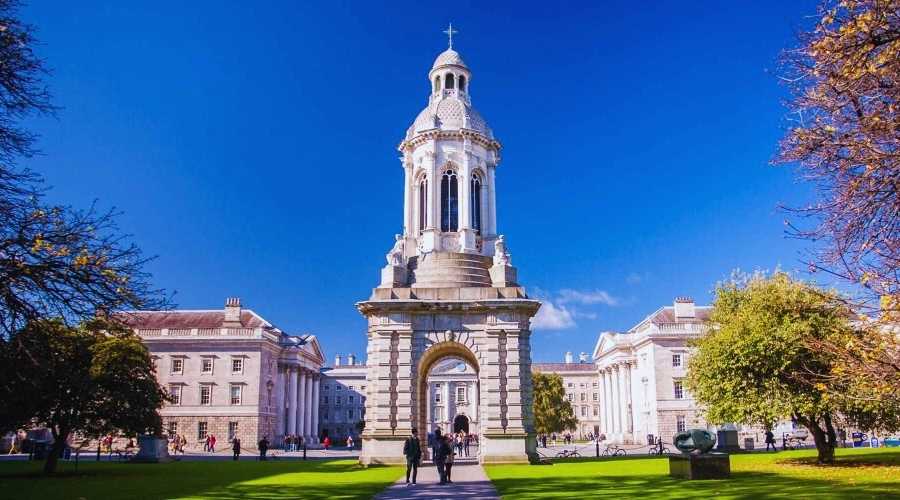
  • Must be a current undergraduate or postgraduate student, or have recently completed a degree.

  • Must come from a financially disadvantaged background.

  • Must be the first in their family to attend university.

  • Must have basic proficiency in English (IELTS is not required).

The program is open to students from all over the world. Individuals from countries such as Bangladesh, India, Pakistan, Nigeria, Kenya, and many others are strongly encouraged to apply. This diversity enhances the collaborative experience of the program and enriches the learning environment.

A Platform for Global Change

More than just a leadership course, the Aspire Leaders Program is a movement to democratize access to world-class education. It is a platform where young minds from underserved backgrounds are empowered to rise above limitations and pursue their potential with confidence.

Participants not only gain knowledge but also become part of a larger global network of Aspire alumni who continue to inspire change in their communities long after the program ends. Many go on to start non-profits, lead educational initiatives, or pursue graduate degrees at prestigious institutions, all with the tools and support they gained through Aspire.

How to Apply

The application process is straightforward and fully online. Interested candidates can visit the Aspire Leaders Program official website to complete their application. No application fees are required.

Application Deadline: April 30, 2025

This is a rare and valuable opportunity for first-generation university students from underserved backgrounds to gain access to an elite educational experience without the barriers of cost or travel.

If you meet the eligibility criteria and are passionate about leadership, growth, and community impact, don’t miss this chance to become an Aspire Leader.

To apply and learn more, visit the official website of the Aspire Leaders Program:
https://www.aspireleaders.org

Read More

March 20, 2025

On March 18, 2025, the U.S. government introduced a new travel ban that could impact travelers from 43 countries. The proposed restrictions classify these countries into three groups, each facing different levels of visa limitations. If fully implemented, these measures could affect international travel, education, employment, and family reunification.

Breakdown of the Travel Restrictions

The affected countries have been placed into three categories:

  1. Total Visa Suspension – Citizens of 10 countries, including Afghanistan, Iran, Syria, Cuba, and North Korea, may be completely barred from obtaining any U.S. visa. Travel for tourism, business, or education would not be permitted.

  2. Partial Visa Restrictions – Individuals from five nations—Eritrea, Haiti, Laos, Myanmar, and South Sudan—might experience limitations on specific visa types, such as student or tourist visas. However, certain exceptions could apply.

  3. Probationary Period – A third group, consisting of 26 nations, including Belarus, Pakistan, and Turkmenistan, has been given 60 days to improve security protocols. If they fail to meet the required standards, they could face restrictions similar to the Partial Visa Suspension category.

List of Affected Countries

  • Red Category (Total Visa Suspension): Afghanistan, Bhutan, Cuba, Iran, Libya, North Korea, Somalia, Sudan, Syria, Venezuela, Yemen.
  • Orange Category (Partial Suspension): Belarus, Eritrea, Haiti, Laos, Myanmar, Pakistan, Russia, Sierra Leone, South Sudan, Turkmenistan.
  • Yellow Category (Probationary Status): Angola, Antigua and Barbuda, Benin, Burkina Faso, Cambodia, Cameroon, Cape Verde, Chad, Republic of the Congo, Democratic Republic of Congo, Dominica, Equatorial Guinea, Gambia, Liberia, Malawi, Mali, Mauritania, Saint Kitts and Nevis, Saint Lucia, Sao Tome and Principe, Vanuatu, Zimbabwe.

Potential Consequences of the Travel Ban

If enforced, the ban could lead to:

  • Severe Travel Disruptions: Individuals from affected nations may face significant barriers in traveling to the U.S., impacting students, professionals, families, and tourists.
  • Visa Cancellations: Current visa holders from Red Category countries might have their visas revoked, potentially forcing them to leave the U.S.
  • Education & Employment Challenges: International students and skilled workers from countries like Myanmar and South Sudan may struggle to secure U.S. visas, affecting their academic and career prospects.

What Should Affected Individuals Do?

  • Visa Applications: If you are from an impacted country, prepare for potential delays or denials in obtaining a U.S. visa. Consider alternative travel plans.
  • Current Visa Holders: If you hold a valid visa, monitor updates closely, as its status may change based on new policies.
  • Green Card Holders: While lawful permanent residents are generally exempt, increased scrutiny may be expected, especially for individuals engaged in political activism.
  • Stay Updated: Follow government announcements and seek guidance from immigration experts to understand your options.

Final Thoughts

The new U.S. travel ban could significantly impact individuals from 43 countries, reshaping global mobility. Whether you are a student, a professional, or a traveler, staying informed is essential. If your country is on the list, consulting an immigration professional can help you navigate the evolving situation.

For ongoing updates and expert visa advice, stay connected with reliable immigration resources.

Read More