


Loading...
Hi, How Can We Help You?

Category Archives: Immigration Visa

April 3, 2026

Australia has introduced major immigration reforms in 2026, signaling a clear shift toward a more controlled, efficient, and skill-focused migration system. These changes are part of the government’s long-term strategy to reduce system misuse, manage migration levels, and ensure that incoming migrants contribute meaningfully to the country’s economy.

With new policies already in effect, Australia is moving away from high-volume temporary migration and toward a quality-driven model, where skills, income level, and long-term value play a central role in visa approvals.

Understanding the Reform: Why It Matters

The 2026 reforms are designed to address several ongoing challenges within Australia’s immigration system, including rising numbers of temporary visa holders, misuse of visa pathways, and pressure on housing and infrastructure.

In recent years, the system allowed individuals to remain in Australia by continuously switching between temporary visas. This created uncertainty and inefficiencies, both for applicants and for the government. The new framework aims to eliminate these issues by introducing stricter controls while maintaining opportunities for genuine applicants.

  • The core objective is clear:
     Reduce low-quality migration while prioritizing skilled and economically valuable candidates

End of “Visa Hopping”

One of the most significant changes in 2026 is the government’s strong stance against “visa hopping.” This practice, where individuals repeatedly switch between temporary visas to extend their stay, is now being actively restricted.

Under the new rules:

  • Applicants face stricter eligibility checks when applying for new visas
  • Continuous switching between visa categories is limited
  • Temporary migration numbers are expected to drop significantly (estimated reduction of around 85,000)

This change ensures that applicants must have a clear and genuine purpose for staying in Australia rather than relying on loopholes in the system.

Introduction of Automated Visa Processing

Australia has also modernized its immigration system by introducing advanced digital processing technologies. The new system focuses on improving efficiency and reducing delays through automation and real-time tracking.

Key improvements include:

  • Faster visa decision-making through automated systems
  • Real-time application tracking for better transparency
  • Reduced backlog and improved processing efficiency

This transformation benefits genuine applicants by making the process more predictable and streamlined, especially for those who meet all eligibility requirements.

Skilled Migration Takes Priority

A major focus of the 2026 reform is strengthening Australia’s skilled migration program. The government continues to prioritize applicants who can contribute to the labor market and support economic growth.

Key visa pathways include:

  • Skilled Nominated Visa (Subclass 190)
  • Skilled Work Regional Visa (Subclass 491)

Recent updates highlight:

  • Ongoing state nomination invitation rounds
  • Increased focus on high-demand occupations
  • A revised minimum income threshold of approximately AUD 76,515

This ensures that migrants entering Australia are not only qualified but also capable of sustaining themselves and contributing to the economy.

Stronger Immigration Laws and Enforcement

In addition to policy changes, Australia has introduced new migration laws in 2026 to strengthen control over its borders and immigration processes. These laws provide authorities with greater power to regulate arrivals and enforce compliance.

The new legal framework includes:

  • Enhanced monitoring of visa holders
  • Stricter penalties for misuse of visa conditions
  • Greater authority to manage and control migration flows

These measures are designed to maintain the integrity of the immigration system while ensuring that all applicants follow the rules.

Processing Impact and Practical Changes

While the introduction of automation improves efficiency, the stricter rules mean that applicants must now meet higher standards. The system is faster for eligible candidates but less forgiving for those with weak or unclear applications.

Applicants may experience:

  • Faster approvals for strong and complete applications
  • Increased scrutiny during eligibility assessment
  • Reduced flexibility in extending temporary stays

Overall, the system rewards preparation and clarity while discouraging misuse.

Impact on Students and Skilled Workers

The 2026 reforms have a direct impact on international students and skilled workers, as both groups are central to Australia’s migration strategy.

For students, Australia remains an attractive destination, but the pathway from study to permanent residency is becoming more structured and competitive. Students must demonstrate clear academic goals, financial stability, and alignment with skilled migration pathways.

For skilled workers, opportunities remain strong, particularly for those in high-demand sectors. However, applicants must meet stricter requirements related to qualifications, work experience, and salary levels. The emphasis is now on long-term contribution rather than short-term employment.

Lower-skilled applicants or those relying on temporary visa extensions may find it increasingly difficult to remain in the country under the new system.

Why Australia Introduced These Changes

Several key factors led to the implementation of these reforms. Increasing migration levels placed pressure on housing, infrastructure, and public services, prompting the government to take action. At the same time, concerns about visa misuse and system inefficiencies highlighted the need for stronger controls.

The reforms aim to:

  • Reduce pressure on national resources
  • Improve the quality of incoming migrants
  • Prevent misuse of visa pathways
  • Align immigration with economic needs

By focusing on these goals, Australia is creating a more sustainable and balanced immigration system.

How to Prepare Under the New System

Adapting to Australia’s 2026 immigration framework requires a strategic and well-prepared approach. Applicants must focus on building a strong profile that meets both eligibility and long-term contribution expectations.

Important steps include:

  • Gaining qualifications and skills in high-demand sectors
  • Applying through state nomination programs where possible
  • Ensuring all documents are accurate and complete
  • Avoiding reliance on short-term visa extensions
  • Staying updated with policy changes and requirements

Proper planning and preparation can significantly improve the chances of success under the new system.

Final Insight

Australia’s 2026 immigration reform represents a decisive shift toward a more controlled, skill-focused, and economically driven migration system. While opportunities remain strong for students and professionals, success now depends on meeting higher standards of qualification, income, and long-term value. Applicants who demonstrate clear intent, strong skills, and full compliance with immigration rules will benefit from faster processing and better opportunities, as Australia continues to prioritize quality over quantity in its approach to migration.


Read More

April 3, 2026

The United States has introduced a major transformation in its immigration system in 2026, expanding visa screening and vetting procedures to strengthen national security and improve decision-making accuracy. Following an official announcement by the U.S. Department of State, the new rules came into effect on March 30, 2026, marking a shift toward a more advanced, digital, and data-driven immigration process.

This reform reflects a growing need to adapt to modern challenges such as increasing application volumes, global mobility, and the influence of digital identity. Unlike previous systems that relied heavily on submitted documents, the new approach evaluates applicants more holistically—combining paperwork, background checks, and online presence into a unified assessment.

Understanding the Reform: Why It Matters

The 2026 update is not just a procedural change but a structural upgrade in how visa applications are evaluated. In recent years, authorities identified gaps where traditional screening methods were not sufficient to fully assess an applicant’s intent or credibility. As a result, the U.S. government has expanded its vetting system to ensure that all applicants are thoroughly reviewed before being granted entry.

The primary goal is to maintain openness while strengthening control—ensuring that individuals entering the United States meet both legal requirements and national security standards.

Expanded Visa Categories Under Screening

One of the most important changes is the expansion of enhanced vetting to a broader range of visa categories. Previously, stricter screening mainly applied to student visas (F, M, J) and employment-based visas like H-1B and their dependents. Under the new reform, many additional categories are now included, making the system far more comprehensive.

These newly included categories cover:

  • Training and dependent visas such as H-3 and H-4
  • Family-based visas including K-1, K-2, and K-3
  • Religious and cultural visas like R-1, R-2, and Q
  • Protection-based visas such as T, U, and S
  • Domestic worker visas including A-3, G-5, and certain C-3 classifications

This expansion effectively creates a near-universal screening system across most nonimmigrant visa types, ensuring consistent evaluation standards for all applicants.

Mandatory Social Media Transparency

A defining feature of the 2026 reform is the introduction of mandatory social media transparency. Applicants are now required to make their online profiles accessible for review, highlighting the growing importance of digital identity in immigration decisions.

Authorities may examine:

  • Posts, comments, and shared content
  • Professional and educational information
  • Social interactions and affiliations

In many cases, applicants are also expected to provide several years of social media history, including usernames and platforms used. This allows immigration officers to cross-check information and identify inconsistencies that may not appear in official documents.

This shift clearly shows that online behavior is now considered an extension of personal credibility.

Enhanced Security and Background Checks

In addition to digital transparency, the reform introduces deeper and more advanced background verification processes. These checks are designed to ensure that all applicants are properly vetted before entering the country.

Key improvements include:

  • Multi-layer identity verification systems
  • Cross-checking with international security databases
  • Behavioral and intent analysis

The U.S. government emphasizes that every visa decision is a national security decision, reinforcing the principle that a visa is a privilege rather than a right. This approach strengthens the integrity of the immigration system while reducing potential risks.

Processing Times and Practical Impact

While the system is more advanced and efficient in design, the expansion of screening measures has practical implications for applicants. In some cases, additional checks may lead to longer processing times, particularly when applications require further review under administrative processing (commonly known as 221(g)).

Applicants may experience:

  • Delays due to extended background verification
  • Additional document requests
  • Longer waiting periods for final decisions

However, it is important to note that well-prepared and transparent applications are more likely to move through the system smoothly, as the new framework is also designed to identify low-risk applicants more efficiently.

Impact on Students and Skilled Workers

The reform has a direct impact on international students, skilled workers, and other visa applicants, as the evaluation process now goes beyond basic eligibility.

For students applying under F, M, and J visas, authorities are placing greater emphasis on verifying genuine academic intent. This means that academic history, financial capability, and even online activity must align clearly with the purpose of study.

For skilled workers under programs such as H-1B and H-3, there is increased scrutiny of professional background, employer details, and job roles. Any inconsistency between documents and real-world information can raise concerns during evaluation.

Family-based and dependent visa applicants are also subject to the same level of scrutiny, reflecting a more standardized and uniform immigration system across all categories.

Why the USA Introduced These Changes

Several key factors contributed to the introduction of this reform. Rising global security concerns, increasing numbers of visa applications, and the rapid expansion of digital footprints have all made traditional screening methods less effective.

Additionally, the U.S. government aims to:

  • Close gaps in previous vetting systems
  • Prevent misuse of visa pathways
  • Improve consistency and fairness in decision-making
  • Strengthen public trust in immigration processes

By integrating technology and data analysis, the new system is better equipped to handle modern immigration challenges.

How to Prepare Under the New System

Adapting to the 2026 visa screening system requires careful preparation and attention to detail. Applicants should focus on maintaining consistency, transparency, and professionalism throughout the process.

Some essential steps include:

  • Keeping social media profiles clean, accurate, and professional
  • Ensuring all documents match personal and professional history
  • Providing truthful and complete information in every application
  • Applying early to account for possible delays
  • Staying updated with the latest immigration policies

Taking these steps can significantly improve the chances of approval under the new, more rigorous system.

Final Insight

The 2026 visa screening reform marks a significant evolution in the U.S. immigration system, combining stricter security measures with advanced digital vetting to ensure only credible and well-prepared applicants are approved. While the United States continues to offer strong opportunities for students, workers, and families, the process now demands a higher level of transparency, accuracy, and consistency—both in documentation and online presence. Applicants who approach the system with honesty, thorough preparation, and a clear purpose will be best positioned to succeed, as immigration decisions increasingly rely on a complete and trustworthy profile rather than just paperwork alone.

Read More

April 2, 2026

Canada has taken a significant step toward reshaping its immigration system. On March 26, 2026, Bill C-12 officially became law after receiving Royal Assent—introducing major changes to how immigration and asylum applications are managed nationwide.

This reform is designed to make the system faster, more secure, and more transparent, while also addressing long-standing issues like application backlogs and misuse of asylum pathways.

In this article, we break down the key reforms under Bill C-12 and explain what they mean for future applicants.

Understanding Bill C-12: Why This Reform Matters

Bill C-12 is part of Canada’s broader effort to modernize its immigration framework under Immigration, Refugees and Citizenship Canada (IRCC).

In recent years, rising numbers of applicants have placed significant pressure on the system, leading to delays and operational challenges. This new legislation aims to streamline processes without reducing Canada’s openness to immigrants.

The focus is clear: maintain accessibility while improving efficiency, fairness, and system integrity.

The 4 Major Changes Introduced by Bill C-12

1. Strengthening the Asylum System

One of the primary goals of Bill C-12 is to protect the integrity of Canada’s asylum process. The government is introducing stricter screening measures to identify non-genuine claims more quickly.

This ensures that the system is not overwhelmed by misuse, allowing legitimate refugees to receive faster decisions and better support.

By filtering out weak or fraudulent applications early, Canada can prioritize those who truly need protection.

2. Faster Processing and Reduced Delays

Processing delays have been a major concern across visa categories. Bill C-12 addresses this by promoting digital transformation and smarter case management.

With improved technology and better resource allocation, applications for study permits, work permits, and permanent residency are expected to move faster.

For applicants, this means shorter waiting times and a more predictable process.

3. Stronger Border Control and Entry Monitoring

The law also introduces enhanced border management measures. Authorities will improve coordination with enforcement agencies to ensure that all entries into Canada are properly verified.

Stronger screening at entry points will help confirm applicants’ intentions and eligibility, reducing the risk of misuse of temporary visas.

At the same time, genuine travelers and students should experience smoother and more secure entry procedures.

4. Improved Fairness and Transparency

Another key focus is making the decision-making process more consistent and transparent.

Applicants will receive clearer explanations for approvals or refusals, and the system for appeals and reviews will be strengthened.

These changes aim to build trust and ensure equal treatment for all applicants, regardless of background or application type.

What These Changes Mean for Applicants

Stricter Checks, But Quicker Outcomes

Applicants can expect more thorough verification processes. However, these stricter checks are balanced by faster decision-making systems.

For genuine applicants, this is a major advantage—applications are less likely to get stuck in long queues.

Greater Emphasis on Strong Applications

Canada is placing more importance on well-prepared applications. Whether applying as a student, worker, or immigrant, having clear intentions and complete documentation is now essential.

Weak or inconsistent applications are more likely to be refused, making accuracy and preparation critical.

Reduced Abuse of Immigration Pathways

Bill C-12 aims to eliminate loopholes that have been used to misuse asylum and visa systems.

By tightening these areas, Canada can better manage application volumes and provide faster service to deserving candidates.

Impact on Students and Skilled Workers

Although the law focuses heavily on asylum and system efficiency, international students and skilled workers will also feel the impact.

Students should expect quicker visa processing but must provide strong proof of their study plans and financial capacity.

Similarly, workers and permanent residence applicants will benefit from faster timelines—provided their applications meet all requirements accurately.

Why Canada Introduced These Changes

Several factors led to the introduction of Bill C-12:

  • A sharp rise in immigration and asylum applications
  • Increasing backlogs across visa categories
  • Concerns about misuse of immigration pathways
  • The need to maintain public trust in the system

This reform reflects Canada’s effort to balance openness with control.

How to Prepare Under the New System

1. Submit Complete and Accurate Documents

Make sure every document you provide is accurate, consistent, and easy to verify. This includes financial statements, academic records, work experience letters, and identity documents. Even small mistakes—such as mismatched dates, spelling errors, or missing pages—can raise concerns during evaluation.

Immigration officers carefully review every detail, and inconsistencies may lead to delays, additional document requests, or even refusal. To avoid this, double-check all information before submission and ensure that supporting documents align perfectly with your application.

2. Apply Early

Applying as early as possible gives you a significant advantage. With high application volumes and stricter checks under the new system, processing times can vary depending on the case.

Early submission allows you to handle unexpected situations, such as requests for additional documents, interview calls, or technical issues during processing. It also reduces stress and ensures you have enough time to prepare for travel, studies, or work arrangements once your application is approved.

3. Be Honest

Honesty is one of the most important factors in any immigration application. Providing false information, hiding details, or submitting misleading documents can result in serious consequences, including application refusal, long-term bans, or being barred from entering Canada.

Always provide truthful and consistent information across all forms and documents. If there are gaps in your history (such as employment or education), explain them clearly rather than trying to hide them. Transparency builds credibility and increases your chances of approval.

4. Stay Updated

Immigration policies and procedures can change frequently, especially with new reforms like Bill C-12. Staying informed about the latest updates helps you avoid mistakes and ensures your application meets current requirements.

Follow official announcements from IRCC, check updates regularly, and consider consulting trusted immigration advisors if needed. Being well-informed allows you to adapt quickly to any changes and submit a stronger, more compliant application.

Conclusion

Bill C-12 represents a major schift in Canada’s immigration system in 2026. The new approach focuses on efficiency, fairness, and preventing misuse—while still welcoming genuine applicants.

For those planning to move to Canada, opportunities remain strong. However, success now depends heavily on preparation, accuracy, and credibility.

Canada continues to be a top destination for global talent—but in this new system, only well-prepared applicants will stand out.

Read More

March 20, 2025

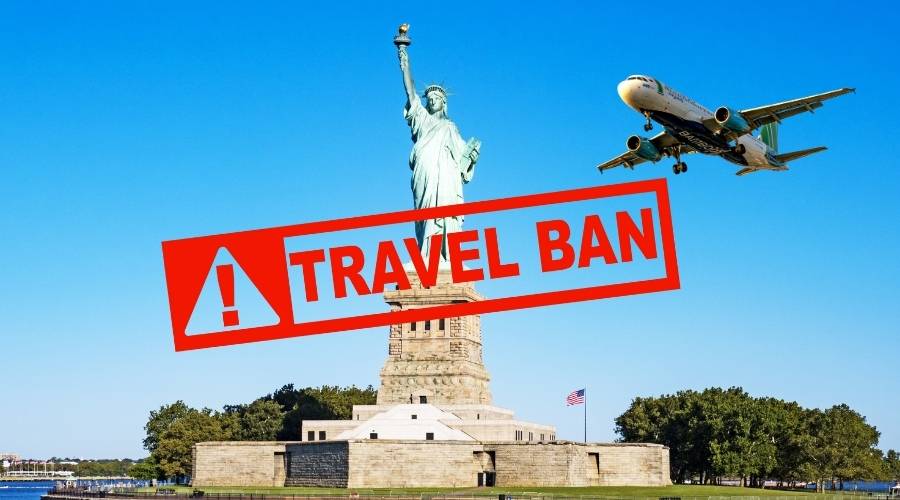
On March 18, 2025, the U.S. government introduced a new travel ban that could impact travelers from 43 countries. The proposed restrictions classify these countries into three groups, each facing different levels of visa limitations. If fully implemented, these measures could affect international travel, education, employment, and family reunification.

Breakdown of the Travel Restrictions

The affected countries have been placed into three categories:

  1. Total Visa Suspension – Citizens of 10 countries, including Afghanistan, Iran, Syria, Cuba, and North Korea, may be completely barred from obtaining any U.S. visa. Travel for tourism, business, or education would not be permitted.

  2. Partial Visa Restrictions – Individuals from five nations—Eritrea, Haiti, Laos, Myanmar, and South Sudan—might experience limitations on specific visa types, such as student or tourist visas. However, certain exceptions could apply.

  3. Probationary Period – A third group, consisting of 26 nations, including Belarus, Pakistan, and Turkmenistan, has been given 60 days to improve security protocols. If they fail to meet the required standards, they could face restrictions similar to the Partial Visa Suspension category.

List of Affected Countries

  • Red Category (Total Visa Suspension): Afghanistan, Bhutan, Cuba, Iran, Libya, North Korea, Somalia, Sudan, Syria, Venezuela, Yemen.
  • Orange Category (Partial Suspension): Belarus, Eritrea, Haiti, Laos, Myanmar, Pakistan, Russia, Sierra Leone, South Sudan, Turkmenistan.
  • Yellow Category (Probationary Status): Angola, Antigua and Barbuda, Benin, Burkina Faso, Cambodia, Cameroon, Cape Verde, Chad, Republic of the Congo, Democratic Republic of Congo, Dominica, Equatorial Guinea, Gambia, Liberia, Malawi, Mali, Mauritania, Saint Kitts and Nevis, Saint Lucia, Sao Tome and Principe, Vanuatu, Zimbabwe.

Potential Consequences of the Travel Ban

If enforced, the ban could lead to:

  • Severe Travel Disruptions: Individuals from affected nations may face significant barriers in traveling to the U.S., impacting students, professionals, families, and tourists.
  • Visa Cancellations: Current visa holders from Red Category countries might have their visas revoked, potentially forcing them to leave the U.S.
  • Education & Employment Challenges: International students and skilled workers from countries like Myanmar and South Sudan may struggle to secure U.S. visas, affecting their academic and career prospects.

What Should Affected Individuals Do?

  • Visa Applications: If you are from an impacted country, prepare for potential delays or denials in obtaining a U.S. visa. Consider alternative travel plans.
  • Current Visa Holders: If you hold a valid visa, monitor updates closely, as its status may change based on new policies.
  • Green Card Holders: While lawful permanent residents are generally exempt, increased scrutiny may be expected, especially for individuals engaged in political activism.
  • Stay Updated: Follow government announcements and seek guidance from immigration experts to understand your options.

Final Thoughts

The new U.S. travel ban could significantly impact individuals from 43 countries, reshaping global mobility. Whether you are a student, a professional, or a traveler, staying informed is essential. If your country is on the list, consulting an immigration professional can help you navigate the evolving situation.

For ongoing updates and expert visa advice, stay connected with reliable immigration resources.

Read More

December 1, 2024

Germany needs 288,000 foreign workers every year until 2040

Maintaining a stable workforce is crucial to Germany’s economic stability and growth prospects, as it relies on its ability to attract and retain foreign workers. Its aging population and the large-scale retirement of baby boomers are creating a critical workforce shortage. With fewer young workers entering the labor market, the economy is at risk of slowing down. A recent report reveals that Germany needs an average of 288,000 new workers annually until 2040 to maintain its economic stability—and even more if participation from domestic workers doesn’t improve.

This situation presents a unique opportunity for immigrants. As Germany opens its doors wider to skilled professionals and workers from across the globe, people looking for better job prospects, higher living standards, and long-term security can take advantage of these changing dynamics.

How Germany’s Workforce Needs Benefit Immigrants

For many immigrants, Germany’s labor shortage is a chance to achieve their dreams of a stable and rewarding life. Here’s how they can benefit:

  1. Easier Access to Jobs:
    With Germany actively seeking skilled workers, job opportunities have grown significantly. Many industries, such as healthcare, IT, engineering, and manufacturing, are experiencing severe shortages. This demand means that qualified immigrants have a higher chance of getting jobs that match their skills.
  2. Attractive Salaries and Benefits:
    The shortage of workers has made employers more competitive, offering better salaries, benefits, and job security to attract foreign talent. Immigrants can now access well-paying jobs that were previously harder to secure.
  3. Pathways to Permanent Residency:
    Germany’s need for long-term workforce stability has led to more straightforward processes for permanent residency and family reunification. Immigrants can settle with their families and build a future without worrying about having to leave.
  4. Opportunities for Professional Growth:
    Germany values skilled workers and often invests in their development. Immigrants can benefit from training programs, access to higher education, and opportunities to upskill, which can further enhance their careers.
  5. Cultural Integration Support:
    Recognizing the importance of retaining immigrants, Germany has improved integration services. Language courses, cultural orientation programs, and support networks make it easier for newcomers to adjust and thrive.

Key Visa Options for Immigrants

Germany provides several visa pathways to meet the needs of its labor market:

  1. EU Blue Card:
    • For highly skilled professionals with a job offer in Germany.
    • Minimum salary: €58,400 annually (€45,552 for shortage occupations).
    • Offers residency for up to four years, with a path to permanent residency.
  2. Skilled Worker Visa:
    • For workers with recognized qualifications in sectors experiencing shortages.
    • Requires proof of skills and an employment contract.
  3. Job Seeker Visa:
    • Allows you to stay in Germany for up to six months to search for a job.
    • Requires proof of funds and qualifications.
  4. Self-Employment Visa:
    • For entrepreneurs or freelancers with a viable business plan or sufficient client base.
  5. Family Reunification Visa:
    • Enables family members to join immigrants already living in Germany.

General Requirements for Work Visas

To apply for a visa, you’ll typically need:

  • A valid passport.
  • Proof of qualifications (degrees, certificates).
  • A job offer or employment contract.
  • Health insurance coverage.
  • Proof of financial resources.
  • Completed visa application forms.
  • Language proficiency (varies by visa type)

Steps to Take Advantage of Germany’s Needs

  1. Research Job Opportunities:
    • Focus on high-demand industries like IT, healthcare, or skilled trades.
    • Use platforms like LinkedIn, StepStone, or Monster.de to find job postings.
  2. Prepare Your Application:
    • Gather required documents, including your degree and proof of experience.
    • Ensure your qualifications are recognized in Germany.
  3. Apply for a Visa:
    • Submit your application at the German embassy or consulate in your country.
    • Pay the visa fee (typically €75–€100) and attend an interview if required.
  4. Plan Your Move:
    • Arrange housing, health insurance, and language courses before you arrive.
    • Register your residence in Germany within two weeks of arrival.

Conclusion

Germany’s workforce shortage represents a unique opportunity for immigrants worldwide. While the country faces economic challenges, it’s also welcoming skilled professionals who can contribute to its growth. Immigrants have the chance to secure rewarding jobs, enjoy excellent living standards, and build a future in a country committed to supporting them.

If you’re ready to take the leap, Germany’s doors are open—now is the time to step through them.

Read More